
Longer-term supermarket contracts for cocoa ‘can help tackle child labour’
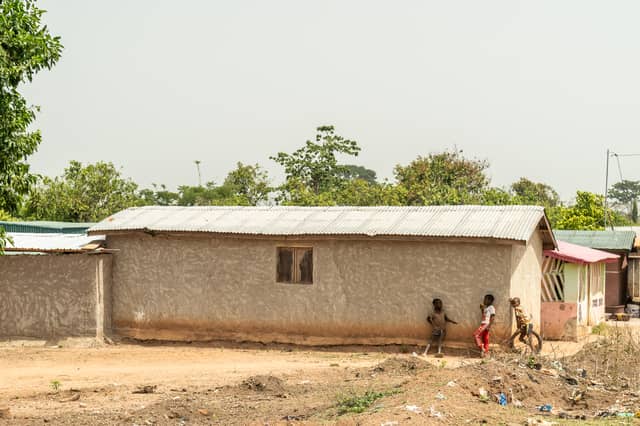

A supply chain scheme that brings supermarkets together to invest in long-term cocoa contracts can boost efforts to tackle child labour, farmers and industry leaders in Ivory Coast have said.
The West African nation is the world’s largest cocoa producer, supplying the vast majority of the UK market alongside its neighbour Ghana, but the industry has relied heavily on child workers.
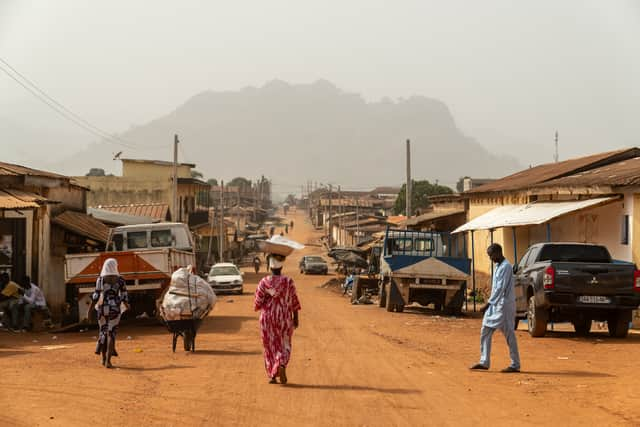
In recent years, Ivory Coast has taken major action to tackle the issue, introducing a spate of laws and training officials, police officers, social workers and farmer co-operatives.
But funding and resources are limited, with a backdrop of unfair trade practices and years of depressed prices, which keep farmers in poverty.
The Yeyasso farming co-operative, based in the city of Man, said fairer contracts and prices could help it turbocharge its efforts to address the issue across all 44 of its farming communities.
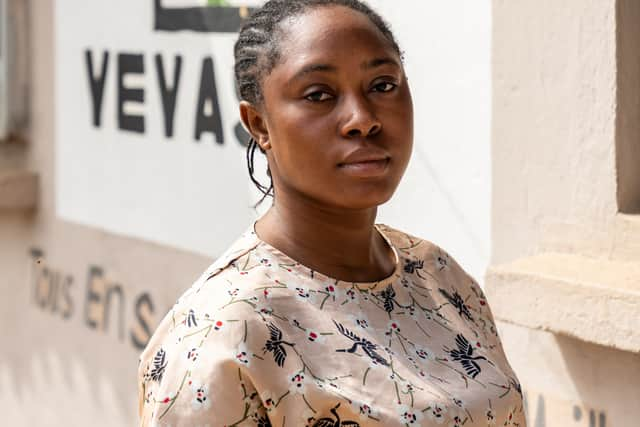
Fattu Diomonde, who leads the team, said: “Getting children off the farms, out of child labour and then later reintegrating them into the workforce… the challenges are enormous.
“The premium is essential for us to address the issue because, without it, even if we identified children working, we wouldn’t have the resources to change the situation – for example, paying to enrol them in apprenticeship centres,” she said.
Recent surveys carried out by Yeyasso found that farmers’ needs still outweigh the current resources available to the co-operative.
In the hope of doubling the premium it receives, Yeyasso has become the first to trial a new supply change initiative led by Fairtrade, which was recently given the green light by the UK’s competition watchdog.
The Shared Impact project is working to get European supermarkets, such as Marks & Spencer (M&S), to buy commodities on a longer-term contract together, boosting the impact for producers and offsetting the increased risk.
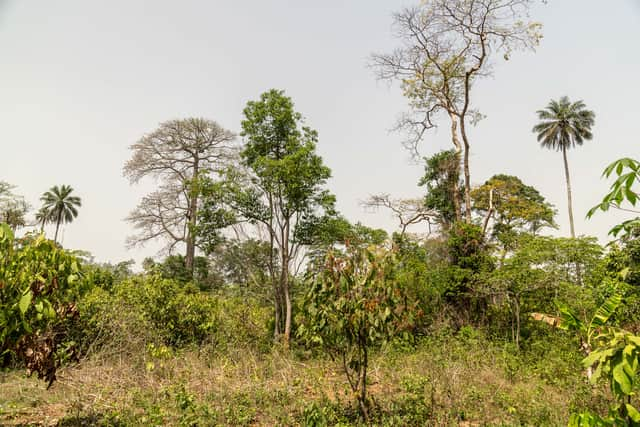
However, she argued that if supermarkets join the Shared Impact initiative it could lead to more of a Fairtrade market for the co-operative, which would then have “a much greater impact in the communities”.
“We could extend and expand our fight against child labour across the entire co-operative, and help as many children and households as possible,” she said.
Emmanuel Kouadio, who is chief of the regional police department team charged with tackling child labour, said Yeyasso’s work is “laudable”.
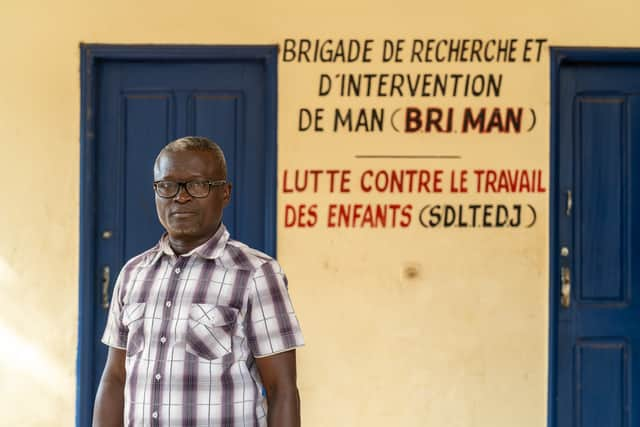
As a father and grandfather himself, Mr Kouadio said the work can be “heartbreaking” and is “especially hard” when they find a child who has not eaten for days.
“But for us to be able to provide food and put them in a shelter, we’re happy,” he said.
“Personally, physically, morally, we invest ourselves into the job. It’s a passion. We want to see children succeed in life and have a good future.”
Nonetheless, the police chief said the “unfair” share of the price that farmers receive should be increased in light of the huge challenges that exist in fighting child labour.
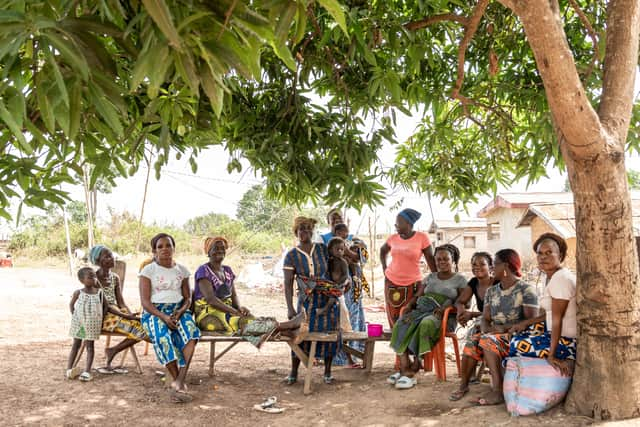
Yeyasso director-general Yeo Moussa said fairer trade practices are also essential in supporting the communities.
“If we address the issues at the market level, we can get more resources out of it and then the resourcing will be reinvested in the recruitment of staff to address the issues of child labour as well as other issues affecting the co-operative members,” he said.
With the increase in premium from Shared Impact, he said the co-operative will do more to provide school kits and build more lunch canteens, which allow children who live miles away to eat in school, ultimately keeping them in class, safe with adults and out of the fields.

Kerrina Thorogood, director of partnerships at Fairtrade Foundation, said the initiative is now expanding from cocoa into coffee and banana trials.
“These pilots will test the adaptability of the Shared Impact model across new agricultural sectors and create more opportunities for businesses to engage in collaborative sourcing efforts to improve the resilience and sustainability of their supply chains,” she said.
“By working together, businesses can shift entire sectors and transform markets for greater impact.”
Doumbia Abou Zeid, board chairman of Yeyasso, said longer contracts can help “tackle unemployment, deliver education and help children get out of the fields”.
“I want to see all our daughters and sons to go to school,” he said.