
Manager who transitioned in mid-20s no longer sees ‘stranger in the mirror’ and praises inclusivity of Probation Service
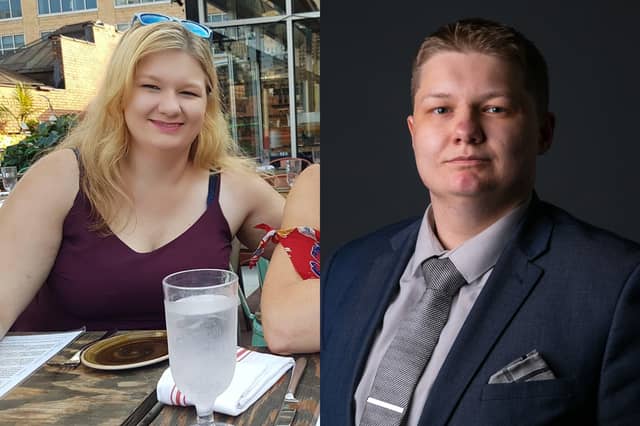

An equality manager who transitioned from female to male in his mid-20s after struggling with anxiety, depression and feelings of “detachment” has said he no longer sees a “stranger looking back at him” when he stands in front of the mirror, and praised the inclusivity and “open learning culture” of the Probation Service, where he works.
Lucas Hall, 29, who lives in Warwickshire, always knew he wanted to join the Probation Service, which he said is “all about giving people a second chance, as well as protecting the public and making sure that offenders are sticking to their licence conditions”.
However, during his teenage years, he said he struggled with his mental health and felt he was “not in the body that represented his mind”.
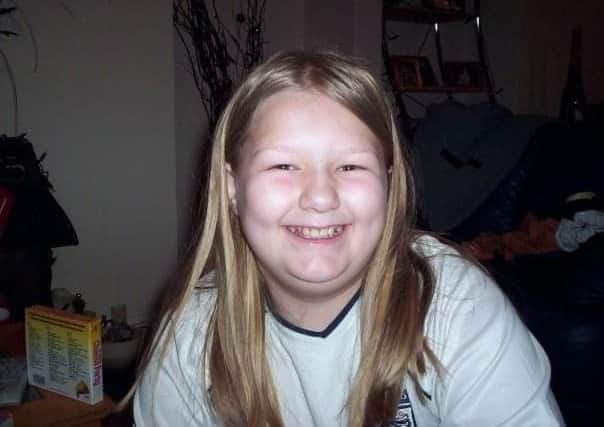
This continued for the following decade until he realised, aged 24, that he “needed to stop pretending”, and about a year later he began his transitioning journey.
Lucas transitioned from female to male while working for the Probation Service, which was “terrifying” at first, but he said he had a “really positive experience” and he now supports LGBTQ colleagues and offenders through his role as West Midlands regional equality manager.
“I had a very positive experience, both personally and professionally,” he said.
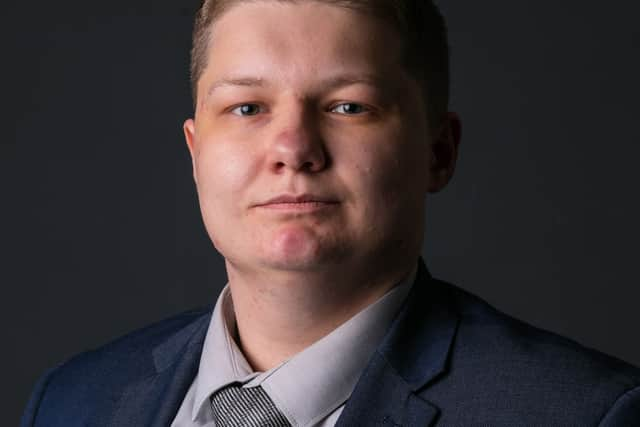
He added: “Having that acceptance has definitely made me more confident.
“It’s definitely helped with my relationships, from friendships to work colleagues, and not feeling like I’ve got this secret hanging over me.
“Having that acceptance and knowing that people do accept you, even if it’s something they haven’t experienced, and they’re willing to ask questions and learn, is amazing.”
Lucas explained that he had wanted to join the Probation Service since he was at school, and he chose relevant subjects – studying criminology and psychology at Coventry University – to boost his chances of securing a role.
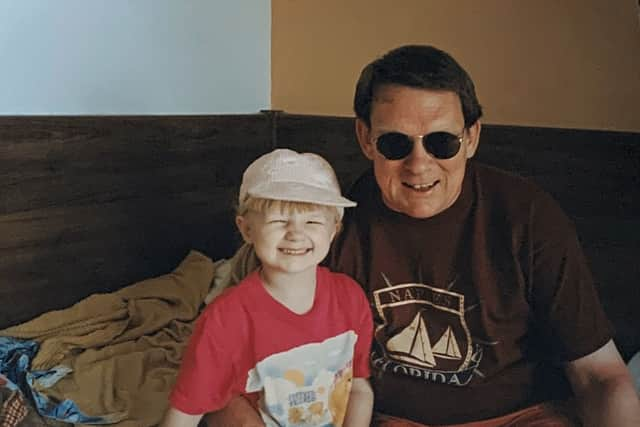
While Lucas was certain of his career ambitions, he was struggling with his mental health, particularly during his teenage years.
He said he did not “really have a concept of gender” at the time, but he knew “something was amiss”.
“In films, I always related to male characters, male protagonists,” Lucas explained.
“For example, something as silly as Bart Simpson from The Simpsons, I could relate to him more than I could Lisa – things like that.
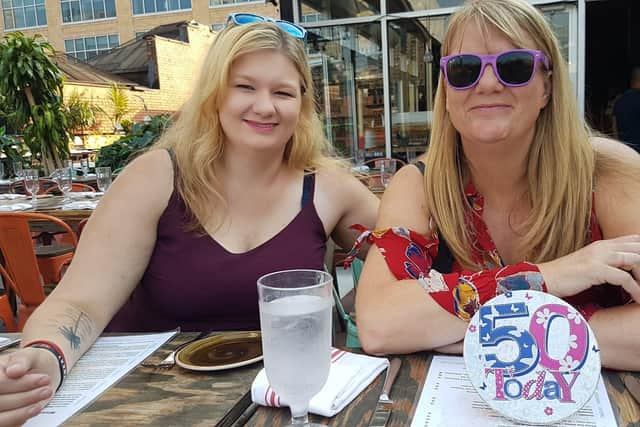
“I remember being given a make-up kit when I was about 10 or 11 years old and bursting into tears; I was very upset about it.”
Lucas said that as he grew older, he felt as though his “mind and body diverged”.
This sense of “detachment” led to him feeling anxious, depressed and confused.
He felt he was keeping a secret, but it was one he did not yet fully understand.
“There was always this fear of being found out that you’re different, that you’re weird,” he continued.
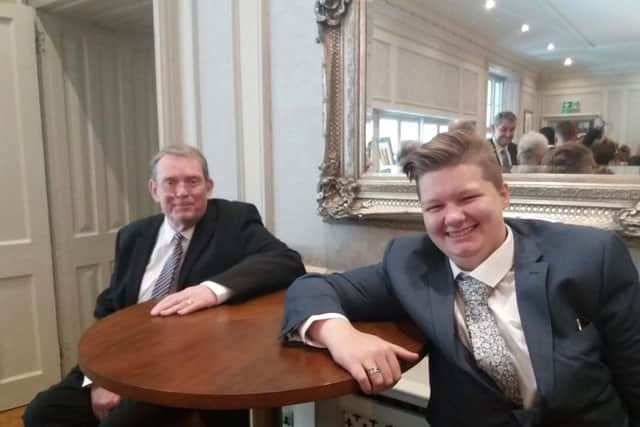
In his 20s, Lucas said he came to the realisation that he needed to address these feelings.
Although he had “a good job and a good group of friends”, he felt there was “still something missing”, and so he began his transition, aged 25.
“It was difficult over many years, particularly in my teen years, going through all the puberty changes, and then not understanding it, not really wanting it,” he said.
“It felt like my mind and body just diverged at some points.
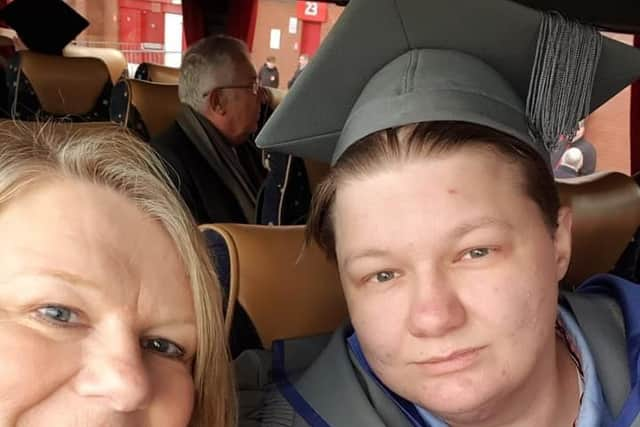
Lucas started hormone replacement therapy (HRT) and saw physical changes in his body, such as fat redistribution, within the first three months.
He later noticed his voice deepening and the development of facial hair, and he is on a waiting list for top surgery – a procedure to remove breast or chest tissue.
Lucas has described his transitioning journey as a “rollercoaster”, but he said he now feels more confident, both mentally and physically, and it has made his life “so much better”.

As a regional equality manager for the Probation Service, Lucas said he supports LGBTQ colleagues and offenders, providing tailored support to meet their specialised needs based on protected characteristics such as religion, race and gender.
While there are challenges with his role, including being on the receiving end of “hostility and defensiveness”, he said the best aspects are seeing people’s confidence grow and helping offenders “get back on track” and lead more “fulfilling” lives.
His goal is for all his colleagues and offenders to have “equity within the Probation Service, to feel that they’re heard, that their journey is seen, and that there are no barriers to promotions or support or anything in that regard”.
“The Probation Service is all about giving people a second chance, as well as protecting the public and making sure that offenders are sticking to their licence conditions,” he said.
“A lot of it comes down to, actually, what’s happened in these people’s lives.
“Seeing offenders complete their orders or their licence period and not reoffend, and see them get a job and start to blossom, it can be really rewarding.”
To find out more about the roles available across HM Prison and Probation Service (HMPPS), visit: probationjobs.co.uk