
Mum of premature baby saves money towards his future by trading valuable Pokemon cards, with one going for £900
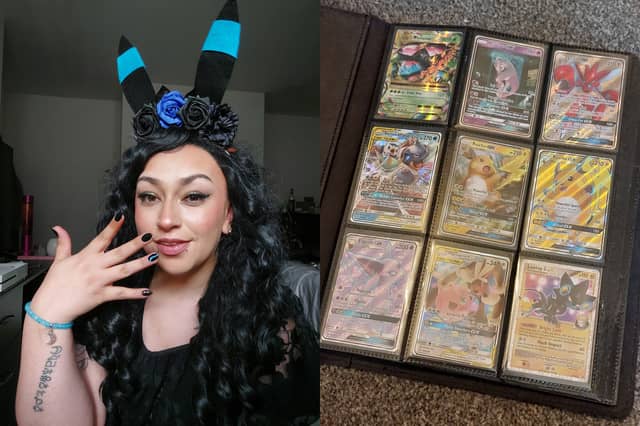

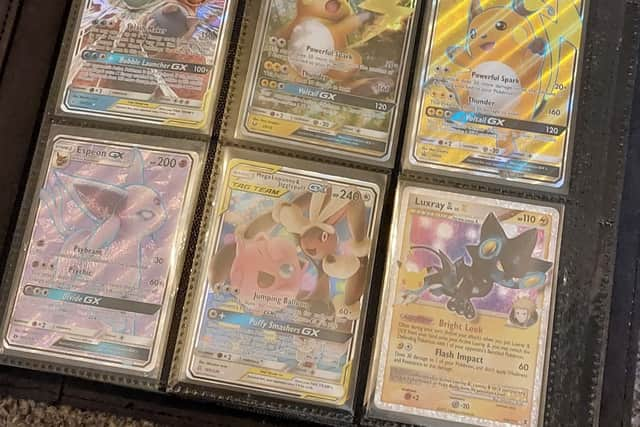
A mother who has collected more than 1,000 Pokemon cards over two years has found a “profitable hobby” in selling the “pieces of cardboard”, saving thousands of pounds to buy essentials for her premature baby, help pay off her debt from university, and hopefully secure enough funds to one day put down a deposit on a house.
Chloe Anslow, 26, who lives in Exeter, said she is a “massive lover” of Pokemon – created by Japanese game designer Satoshi Tajiri in the 1990s – as it provides a form of “escapism”.
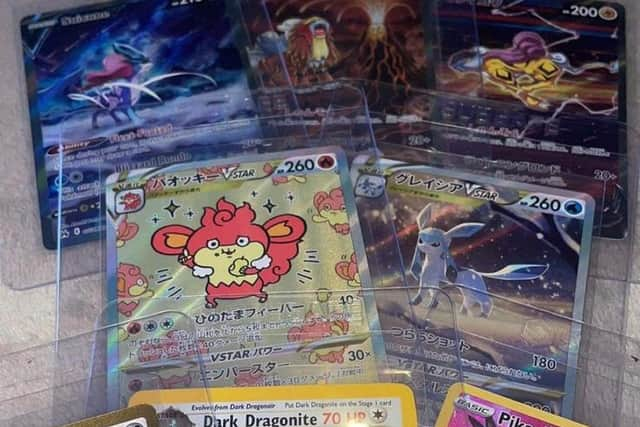
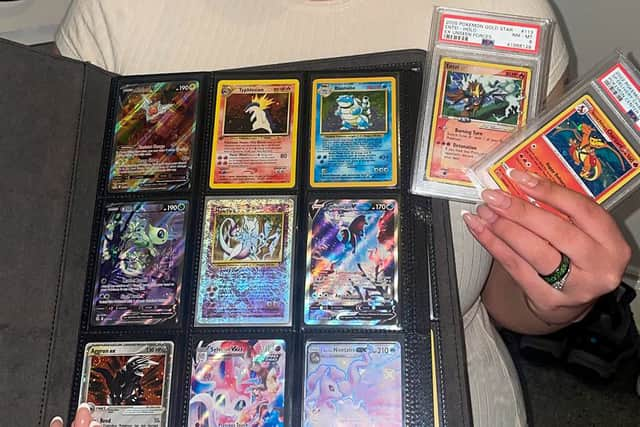
They both invest in Pokemon collection sets and booster boxes, and sell the cards through platforms such as Facebook, and have discovered that cards can be worth up to £1,000.
The couple have collected more than 1,000 Pokemon cards so far, and have saved about £2,000 through buying and selling the cards – and this has become particularly important after the birth of their son Chase, who was delivered 15 weeks early by Caesarean section, weighing just 655g.
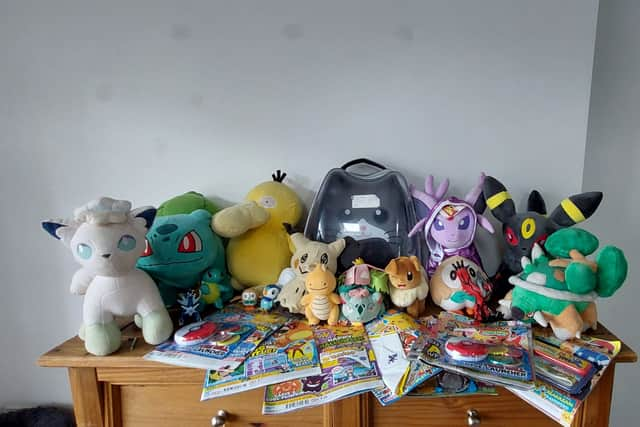
Given the cost-of-living crisis as well, Chloe said she is “even further motivated to continue with this profitable hobby because everything is so unexpected right now”.
“Saving that money has changed everything for us,” Chloe said.

“If we can keep going with it, it just gives us a sense of security not only for Chase, but for ourselves as well as adults who usually work day-to-day just to make ends meet.”
Chloe, who is on maternity leave but usually works in administration, said she has always been “attached” to Pokemon, and it all started with the television series.
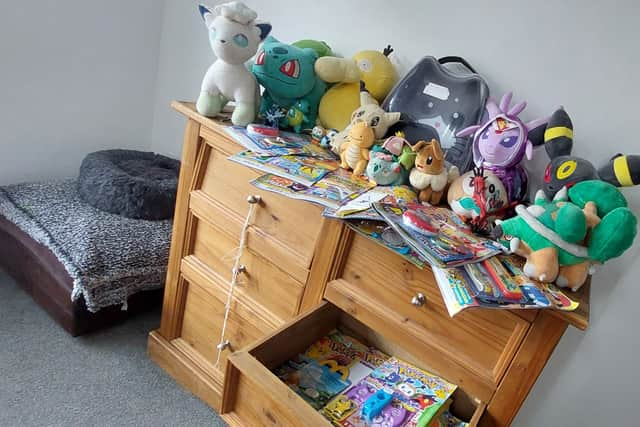
“Growing up with it, it gave me a sense of security, a bit of comfort,” Chloe explained.
“Even now it’s a comfort blanket for me.

Chloe’s passion for the brand has continued to grow over the years, and she even got a custom designed tattoo inspired by her favourite character, Venusaur, when she was 20.
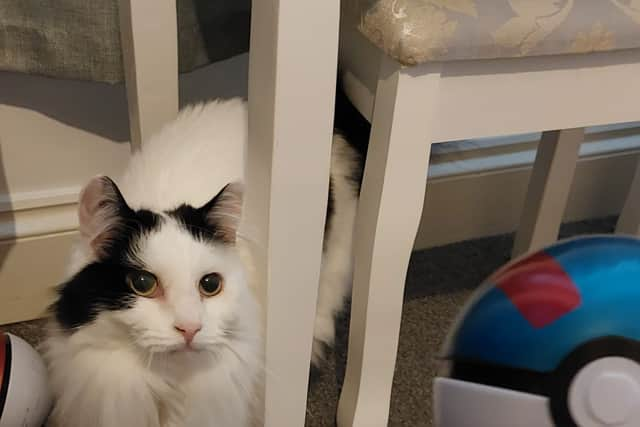
She and Joe want to continue forming connections within the Pokemon community and increase their collection, as they have discovered the cards can be extremely valuable.
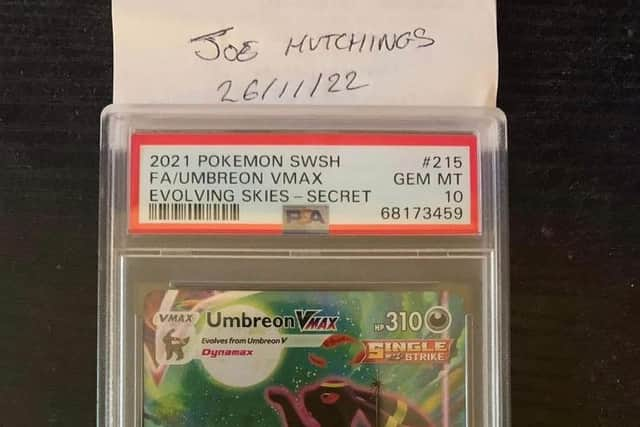
He happened to pick a card – the FA/Umbreon VMax, from a set called Evolving Skies – which had a minimum value of £450, but once the couple had the card valued by an official grading company, they discovered it was worth about £1,000.
Chloe said “it’s amazing how much value you can put on cardboard” and these cards can increase in value or depreciate just like “the stock exchange”.
“Being able to utilise Joe’s reputation in the trading community and the Pokemon community means that we can put money back from that and make sure that we’re not spreading ourselves too thin with financial costs,” she said.

“It works similar to things like cryptocurrency and Bitcoin, and the value of a card will change per month by anywhere between a few odd quid, like a fiver, or about £400.”
Chloe buys the cards online or enters giveaways through the Pokemon official website, as some of these cards may “never get printed again”.
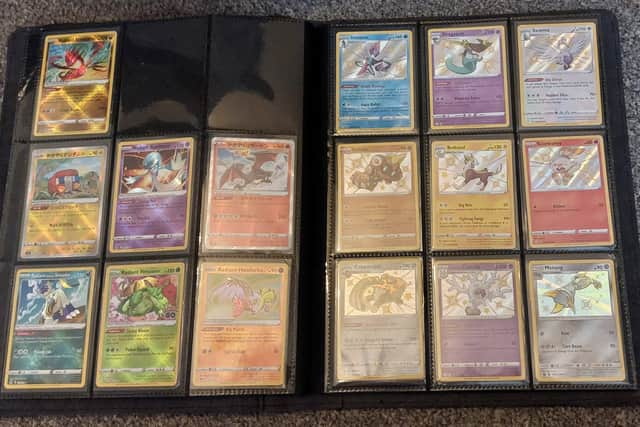
She said she and Joe sell about 20 cards on average per month, and this can bring in £5 to £200 depending on their value and other factors, such as delivery costs or packaging.
Chloe said it has been enjoyable to see “how far trading card collections have come along” over the years, and she even has a card which dates back to 1999.
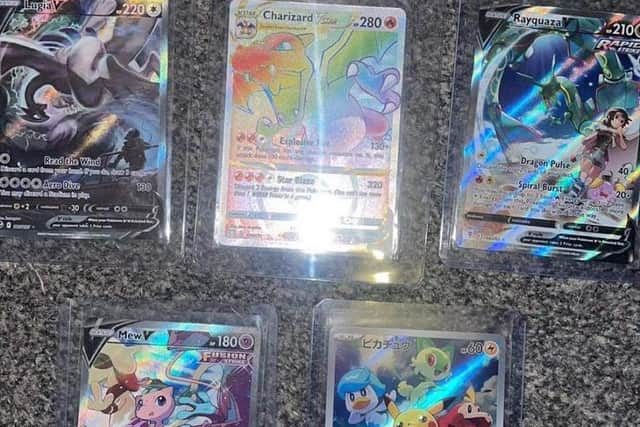
“Some of the artworks on them are absolutely phenomenal… and when the cards are graded, you feel a sense of merit for how good the quality of the cards are that you find.”
Since the cards can increase in value, Chloe said Joe wants to keep some of the more valuable ones and maybe sell them later on for their son, who is now 33 weeks old.
It will also help to alleviate some of their other financial burdens, such as Chloe’s debt from university and general household bills, and they are hoping to one day buy a house.
Chloe said collecting Pokemon cards is not just a fun hobby, because being able to bring in additional funds, and work together with her partner, makes it even more special.
She wants to inspire others to look into new ways of money-saving or turn a hobby into a business, because “if you do what you love, you’ll never work a day in your life”.
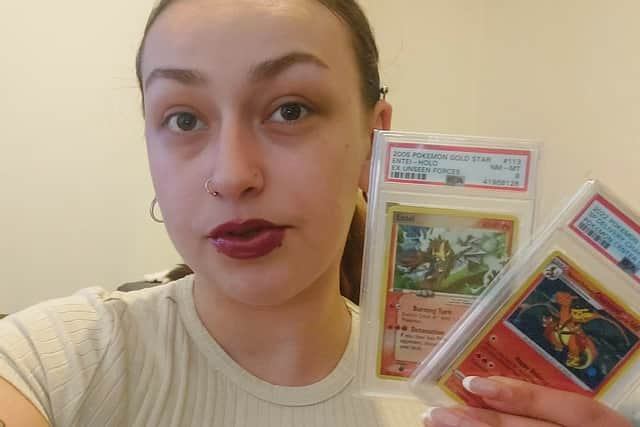
“Given the cost of living at the moment, when you can manage to make a profit on it, based on what people are willing to buy it for, you either want to reinvest it or put the money back – we do both of those things.
“It’s all just the cycle of business, really – supply and demand.”