
Mum whose son has same rare ‘devastating’ SMA condition as singer Jesy Nelson’s twins wants her to know ‘there is hope’
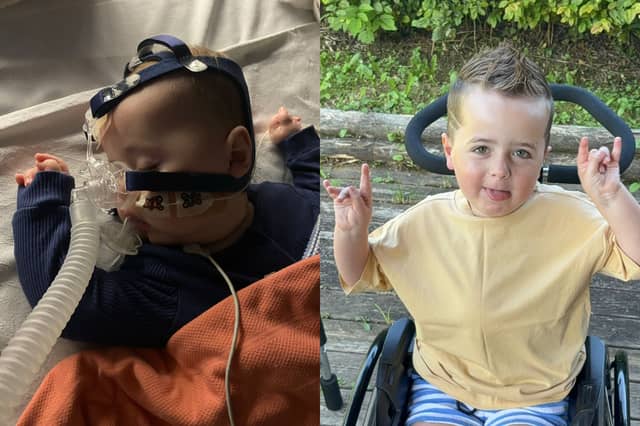

A mother whose son has the same rare neuromuscular condition as ex-Little Mix singer Jesy Nelson’s twins has said she wants her to know “there is hope”.
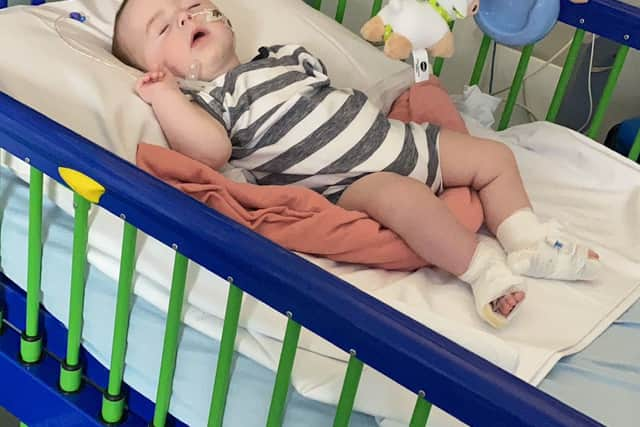
Sophie and Aden Cooke’s son Sid, now four, from Yalding in Kent, was diagnosed with spinal muscular atrophy type 1 (SMA1) at four months old in August 2021 after Sophie noticed movement, swallowing and breathing issues.
According to the charity SMA UK, SMA causes progressive muscle wasting and weakness – and while the effects vary person to person, it can impact the ability to sit, crawl and walk, along with the ability to swallow and breathe independently.
While he still faces daily challenges and requires the use of a wheelchair and other supportive equipment and medical interventions, Sophie said he is otherwise a “typical little boy who loves his mainstream school, dinosaurs and Mario Kart”.
Jesy Nelson recently announced that her twins Ocean Jade and Story Monroe Nelson-Foster, who were born prematurely in May 2025, have been diagnosed with SMA1 and will most likely never walk – but Sophie wants Jesy, and other parents of children with the condition, to know “it’s going to be OK”.
Speaking about Jesy’s announcement, Sophie told PA Real Life: “It is so sad that another mother in this country, celebrity or not, should have to go through this gut-wrenching experience of trying to get a diagnosis for months on end.
“Still, babies across the UK are not currently being screened (for SMA) and that needs to change.
“But if Jesy and Zion and their families read this, I want them to know that there will be happiness along the way, too.
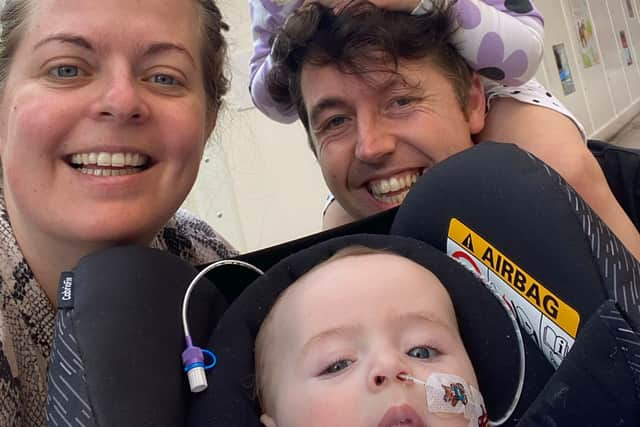
Sophie explained that her pregnancy with Sid was “totally normal” and exactly like her first pregnancy with her daughter Nancy, who is now seven.
Sid was born in April 2021 via a planned caesarean section due to his large size, and he did not pass his first reflex test after birth, but Sophie said he was a “bright-eyed, very happy, smiley baby”.
Before leaving the hospital, Sophie said she queried the doctors on Sid’s rapid breathing and bell-shaped chest but was told this was all “totally normal”.
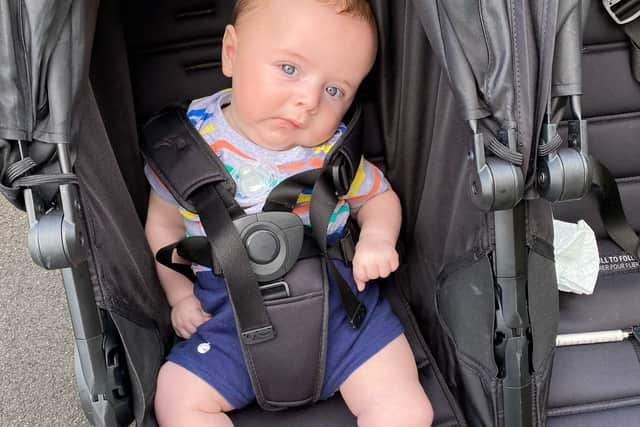
“I went back and forth to the doctors so many times… but we were told again and again, ‘Oh, that’s all normal’,” Sophie said.
At seven weeks old, Sid underwent routine surgery for a hernia, and struggled with low oxygen, but he was discharged the next day after his levels normalised.
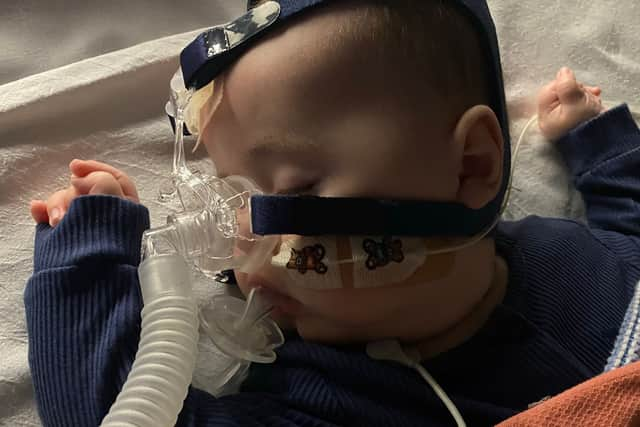
“I sat my husband down and said, ‘I know you’re not going to believe me, but this is what’s wrong with him, and we have to get him into hospital because he’s deteriorating with every passing hour’,” she said.
“I took him into A&E and said, ‘My son’s got SMA’, and even then, they said, ‘Well, that’s not an acute illness’… they didn’t know what it was.
“I just said, ‘He’s going to die, he needs to see a doctor and get treatment. Every hour that goes by that he doesn’t receive treatment, he is losing part of his life, parts of his muscles are wasting away’.”
SMA is divided into four main types – type 1 (babies less than six months old), 2 (babies and toddlers aged six to 17 months old), 3 (children and teenagers from 18 months to 17 years old), and 4 (adults 18 years old and over).
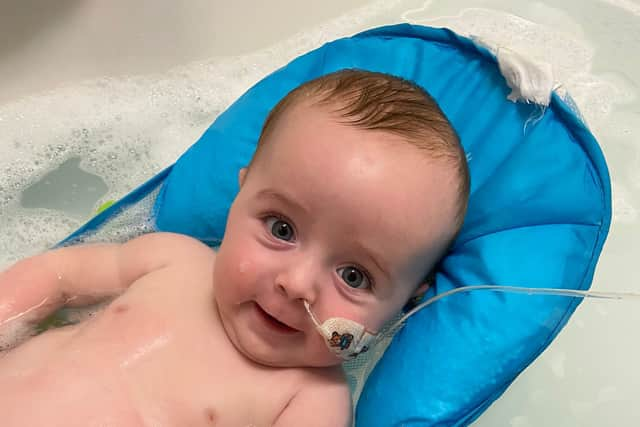
“No-one has a baby and expects to receive such devastating news,” she said.
“I just remember thinking, but I love him so much, he can’t go anywhere because I love him too much.
“To have to even think about losing him in my mind was just not happening.”
Since “time was of the essence”, Sid needed treatment as soon as possible – and luckily, in March 2021, it was announced that a life-saving drug to treat SMA was being made available on the NHS.
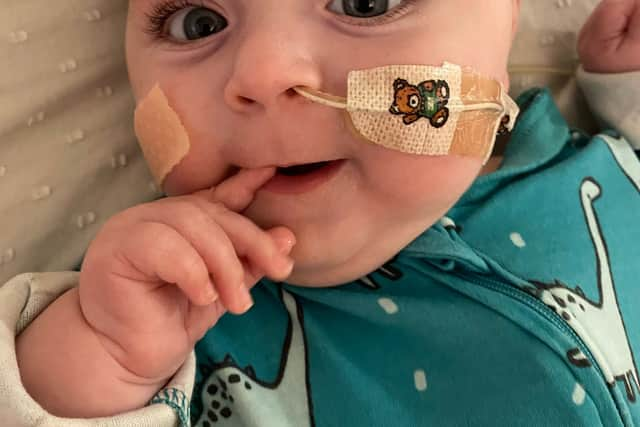
NHS England said historical studies of SMA in the US estimated that before the availability of treatments, fewer than one in 10 (8%) children born with SMA1 survived to the age of 20 months without permanent ventilatory support.
“It’s sheer shock and devastation… but you haven’t got time to worry about the whirlwind that’s going on around you. You’re in the eye of the storm,” Sophie said.
Although SMA is a rare condition, an estimated one in 40 people carry the altered gene – that is around 1.7 million people in the UK, SMA UK says.
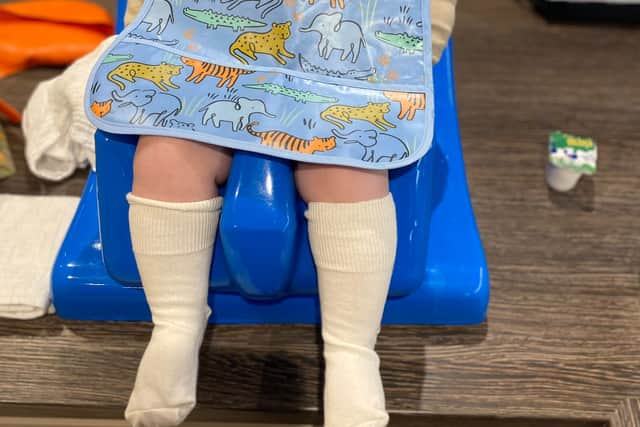
After the Zolgensma gene therapy, Sid was placed on a clinical trial to receive a secondary drug, which he still receives, and Sophie said she “never expected him to get to where he is today”.
While he requires the use of a wheelchair, struggles with his mobility and will likely never walk independently, Sophie said he is a “cheeky” four-year-old who is “living a great life”.
“The world is his oyster, there are no limits,” Sophie said.
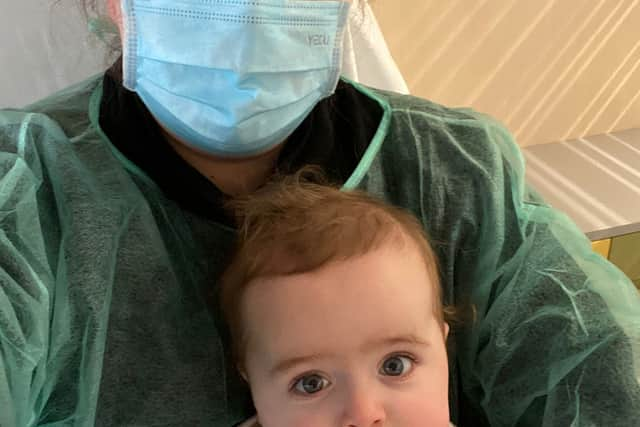
Sid’s fight against SMA is being supported by the charity Tree of Hope, which helps families raise money for medical treatments and healthcare services not freely available to them through the NHS and social care.
Without the funds raised by Sid’s family and friends, Sophie said: “Sid would not be doing what he is able to do today.”
Sophie hopes that by talking about Sid’s story publicly, like Jesy, it will generate positive steps for early SMA diagnosis and treatment, and she is pushing for SMA to be included in NHS newborn screening tests.
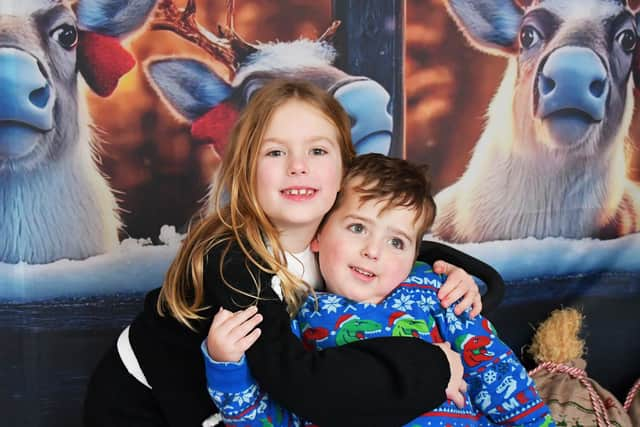
“It’s pure pain in your heart, in the deepest level that you can ever describe, to have a baby in your arms and think about all the suffering that they will go through,” Sophie said.
“But then at the same time, there is light at the end of the tunnel.
“For Sid, rather than focusing on the things that he can’t do, I want him to focus on the things that he can do.
“I want him to be proud of who he is because he should, he’s an amazing kid.”
To find out more or to donate to help Sid, visit the fundraising page at www.treeofhope.org.uk/get-involved/childrens-campaigns/help-super-sid-fight-sma-type-1, or search @super_sidney_cookie on Instagram.