
‘My partner was misdiagnosed at A&E, told to take Gaviscon and died days later – the condition’s flying under the radar’
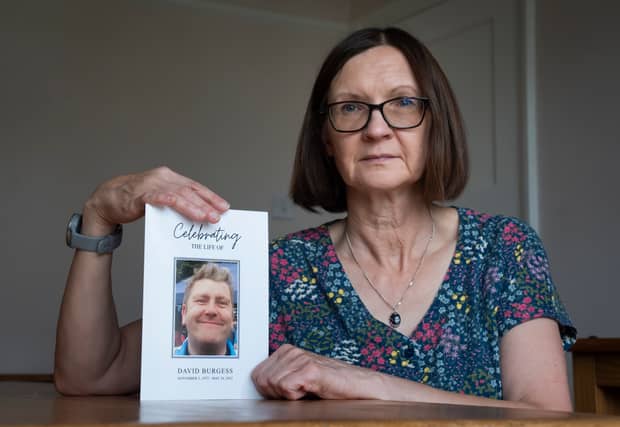

A woman who said her partner was misdiagnosed at A&E, sent home to take Gaviscon and died days later is campaigning for greater awareness of a condition which is flying “under the radar”.
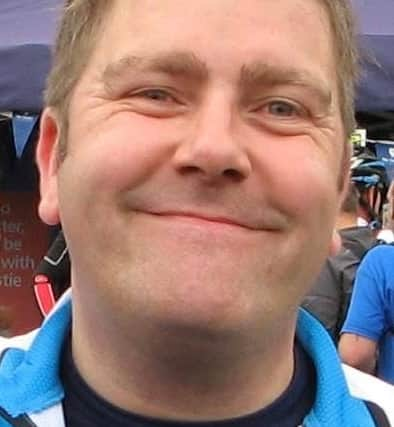
David Burgess, 52, a legal recruitment consultant and keen vinyl collector, had never “taken a day off work” and was generally healthy until he experienced the sudden onset of “horrific” pain in his stomach and back on April 24 this year.
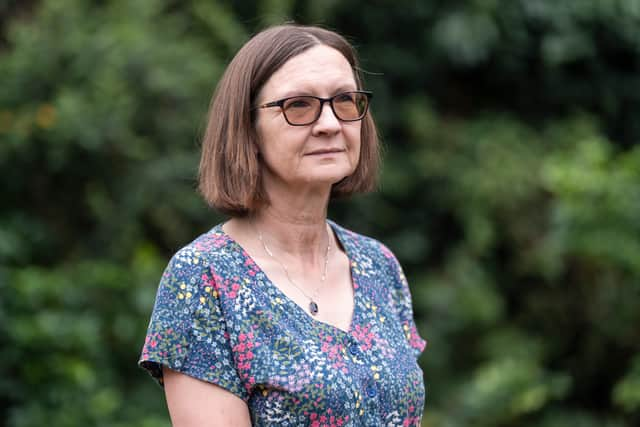
His partner Sandra O’Hagan, 56, a chartered accountant who lives in Sale, Greater Manchester, said she took him to Wythenshawe Hospital’s A&E department in Manchester on April 25, and he was discharged that day with a diagnosis of gastritis – inflammation of the stomach lining – and told to take Gaviscon.

After he underwent urgent surgeries, doctors told Sandra there was nothing further they could do and it would be “cruel to keep trying”, so the heartbreaking decision was made to “turn the machines off” on May 10.
Sandra believes David would have had a significantly better chance of survival, and may even still be alive, if he had been diagnosed correctly on his first visit to A&E, and she is currently exploring legal action against the hospital with the firm Enable Law, although investigations are currently ongoing.
Speaking about David’s diagnosis, Sandra told PA Real Life: “I just thought, how can this be happening? He went to A&E nearly a week ago and they sent him home.
“It just didn’t seem to make sense. It was so unexpected, it was like a nightmare.
“I hope this raises vital awareness to prevent other families from going through this.”
A spokesperson from Manchester University NHS Foundation Trust said: “We offer our sincere condolences to Mr Burgess’s family and friends for their loss.
“We have discussed his sad death with Ms O’Hagan, and we are undertaking a review of Mr Burgess’s care. We will be sharing findings from that review with both Ms O’Hagan and the coroner.
“We will await the conclusion of the inquest before commenting further.”
Although David struggled with his weight, Sandra said he was otherwise generally healthy and enjoyed cycling to and from work on occasion.
“He never went to the doctors, and I can’t remember him taking a day off work – he was always so committed to working and he was pretty tough,” Sandra said.
On April 24, however, David told Sandra he was experiencing a “sharp pain” in his stomach and back.
“He said he’d never felt anything like it before,” Sandra explained.
According to the Aortic Dissection Charitable Trust, acute aortic dissection can present with a wide range of symptoms, with the most common being the sudden onset of severe pain, typically felt in the chest, back, neck or abdomen, or in a combination of these areas.
Sandra said the couple “had no idea what the pain related to”, but since it was not in his chest, they did not think it was heart related.
She said it “flashed through (her) mind” that it could be a burst appendix.

According to David’s medical notes, seen by PA Real Life, doctors diagnosed him with gastritis and discharged him with no follow-up.
“They told him to go home, take Gaviscon, and don’t take any painkillers because that would interfere with it and make it worse,” Sandra said.
“Because it’s a doctor, you think, ‘well, that must be right. It can’t be that serious, otherwise they’d have picked it up and not sent him home’.
Over the following days, Sandra said David was struggling to eat properly and he felt “drained and had no energy”.
His breathing progressively worsened and David returned to Wythenshawe Hospital six days later on May 1.
After undergoing further tests, Sandra said she received a text from David that day, saying he had a torn aorta – the largest blood vessel in the body, which carries blood from the heart to the rest of the body – and he needed to have urgent surgery.
She said: “I couldn’t process it, and I couldn’t get through to him, and then I’d had a missed call from Wythenshawe A&E as well, but you ring back and you can’t get through to anyone.
Upon arrival, Sandra said David was being prepared for surgery and a surgeon confirmed his aortic dissection diagnosis, saying his chances of survival were 30%.
The Aortic Dissection Charitable Trust says 2,000 people a year lose their lives from aortic dissection in the UK.
“The surgeon said he had a torn aorta and half the cases where this happens, the people die straight away,” Sandra said.
“So for him to still be alive after six days, it was a miracle.”
After saying goodbye to David, Sandra said she waited for further updates from the surgery and was later informed that “the left side of his heart was barely working and the right side wasn’t working”.

She said David required a second surgery to change his heart machine, which was successful, but as he continued to deteriorate, difficult conversations took place.
“On David’s final day, his parents, brother, sister-in-law and two nephews were at the hospital visiting,” Sandra said.
“We were all taken aside and they said, ‘He’s on maximum medication, he’s not getting any better, there’s nothing further we can do. It would be cruel to keep trying, really, because we have done everything’.
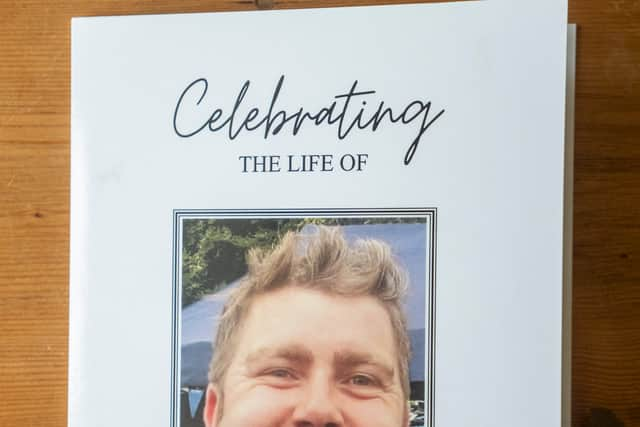
David died on May 10 in Wythenshawe Hospital, with Sandra and David’s parents, daughter, brother, sister-in-law and two nephews by his side.
Sandra said it was only afterwards that she realised the significance of the initial misdiagnosis, and she has submitted a formal complaint to the hospital.
After being put in touch with a bereavement helpline, she was given contact information for medical negligence solicitors, leading her to Enable Law.
“According to the charity, 33% of those suffering from aortic dissection are misdiagnosed,” Sandra said.
“Because it’s so time critical, you need to be diagnosed straightaway.
“With David, when they sent him away, that was it, that was his only chance. He had to be diagnosed there and then to have the best chance of survival.
Jackie Linehan, Enable Law legal director and Sandra’s solicitor, who is working with aortic dissection charities, said: “I am seeing an increasing number of claims where there have been catastrophic consequences from a failure to diagnose and treat aortic dissection in a timely manner.
“This is likely to be, in part, down to greater pressure on the NHS but also, increasingly, as a result of patients and their loved ones having a greater understanding of the condition and that, in a significant percentage of patients, it can be treated successfully if diagnosed in time.
“I hope to help Sandra get some answers about David’s care prior to his diagnosis and to support her in her goal to raise awareness of aortic dissection so that others do not need to suffer as she and David have.”