
Napoleonic prisoner of war camp buried under field bought from farmer
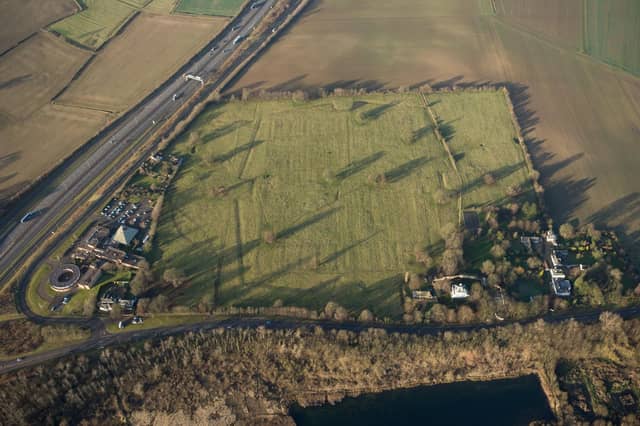

A Napoleonic prisoner of war camp buried under a field in Cambridgeshire has been bought by a trust with the intention of preserving it as a historic site.
Norman Cross, the world’s first purpose-built prisoner of war camp, was privately owned by a farmer, and has been bought by Nene Park Trust.
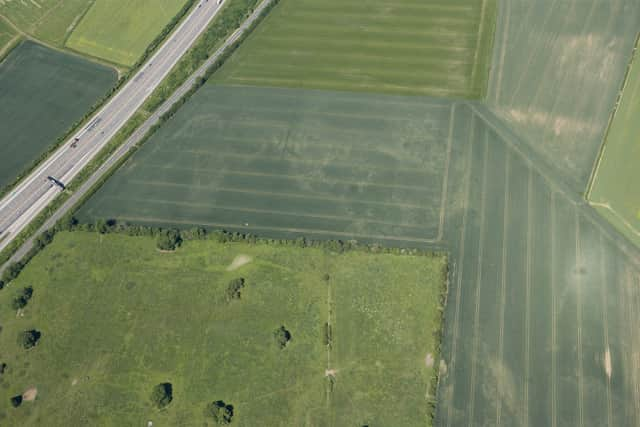
The trust says it wants to preserve the site and make it available to the public as a historic and green space.
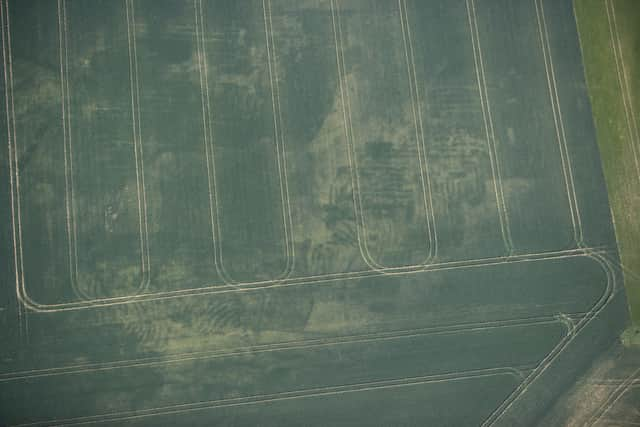
The camp now lies barely visible under a field used for arable crops and grazing.
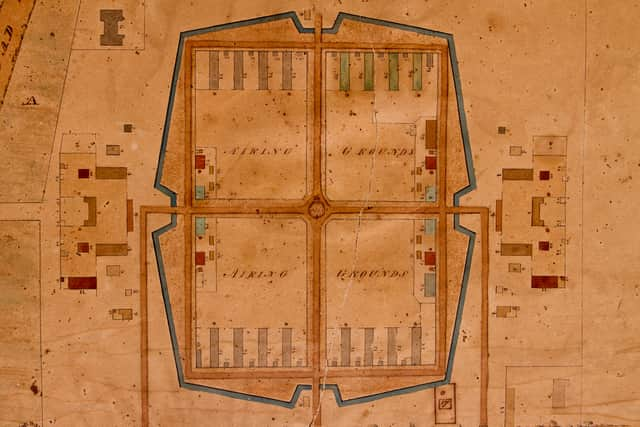
But it previously held a self-contained town, with barracks, offices, a hospital, school, marketplace and banking system, according to historian Paul Chamberlain.
It operated from 1797 to 1814 and housed around 7,000 French prisoners.
Prisoners made intricate models from bone, wood and straw to sell at the camp market and trade for food, tobacco and wine.
Around 800 of these artefacts, which include miniature ships and chateaus, are on display at the nearby Peterborough Museum and Art Gallery.
The trust received £200,000 of grant funding from Historic England and £50,000 from the National Lottery Heritage Fund to buy the camp following years of negotiations.
Its acquisition was fought for by resident Derek Lopez, who owned the Norman Cross Gallery near Yaxley and was an advocate of Peterborough’s history.
Duncan Wilson, chief executive of Historic England, said: “The Norman Cross prisoner of war camp represents a pivotal moment in our shared European heritage that deserves to be better known.”
Matthew Bradbury, chief executive of Nene Park Trust, said he was “delighted” to take on the ownership of Norman Cross and wanted “to share its green space and unique stories for generations to come”.
Heritage minister Baroness Twycross said: “Norman Cross represents a poignant chapter in our shared European story.
“The remarkable stories of those held in what was the first purpose-built prisoner of war camp should be remembered now and in the future.
“This partnership has secured this valuable heritage site for generations to come.”