
New guide aims to help identify children becoming embroiled in organised crime


Teachers and doctors will be among the frontline workers to be given a guide on how to spot youngsters becoming embroiled in the criminal underworld.
Health service workers, school staff, police and social workers have been given new guidance designed to help those who work most closely with children and vulnerable adults to identify if they are being drawn into organised crime.
The Scottish Government said there are 101 known organised crime operations in the country and the youngsters targeted are left feeling trapped and suffering from violence, intimidation and threats from gangsters.
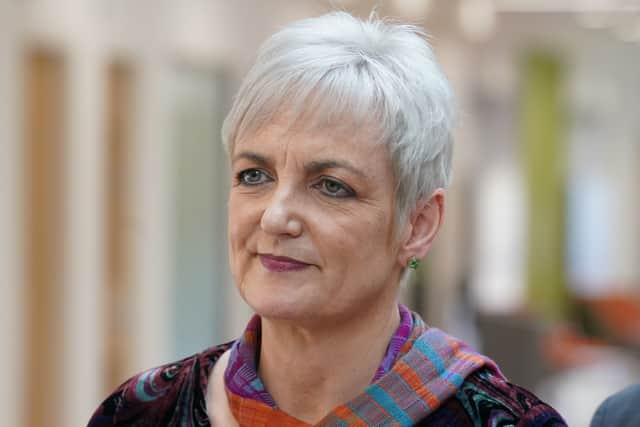
“Understanding this and how this despicable practice can finally be ended is crucial in supporting the strong partnerships we have created to tackle these illegal groups.
“We all pay the price for their callous disregard for the law. This guidance is an important step towards better helping victims of exploitation and stifling the organised criminals of the lifeblood they need to keep operating.”
The guide – called Practitioner Guidance on Criminal Exploitation – aims to support a shared understanding of criminal exploitation and to help professionals identify those at risk.
It includes a number of red flags to watch out for.
These include if someone is travelling to different areas they would not usually visit; changes in peer groups; and an agitation and nervousness about answering calls, or texts and going out.
Other warning signs include the possession of burner phones; more frequent contact with police; persistently going missing or returning late; serious violence; and substance misuse issues.
Paul Carberry, chairman of the serious organised crime taskforce, said it was essential those on the front line “recognise the signs and have a shared knowledge of criminal exploitation”.
“The guidance will give professionals from across multiple agencies more comprehensive knowledge, understanding and develop a wider perspective about criminal exploitation,” he said.