
No money in budget for cap on bus fares, Transport Secretary says
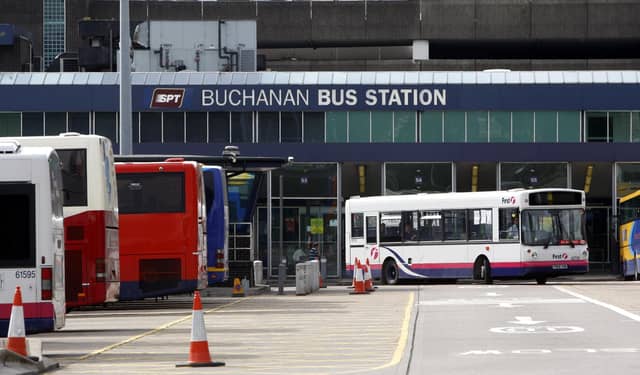

There will be no pilot scheme putting a cap on bus fares in Scotland, the Transport Secretary has said.
Fiona Hyslop told MSPs that there was “no provision” in the current budget to fund the scheme.
A trial of fare capping on buses was recommended as part of Transport Scotland’s Fair Fares Review.
The Scottish Government agency said an “area-based” flat fares pilot would could attract people on to buses rather than opting to take the car.
Appearing before Holyrood’s Net Zero, Energy and Transport Committee, Ms Hyslop signalled that she was in favour of a pilot but cited financial pressures as the reason it had not happened.
“I was keen that we did have a pilot but it proved particularly problematic last year because of the emergency measures,” she said.
“Anything that was new or additional, it was very difficult to get financial approval, as we had to realise the adjustments that had been made, particularly around the autumn budget.”
Ms Hyslop suggested the reason was not purely financial though, adding: “There are challenges with a pilot because, as we know that, if you have a pilot and then you don’t continue it, that can cause issues from a passenger perspective.”
She said the private companies which run Scotland’s bus services were also “less than enthusiastic” about such a scheme.
“So, there isn’t provision currently in this budget for a pilot on fair cap,” she told MSPs, “although I would say that the vast majority of the fares in Scotland are under £3.”
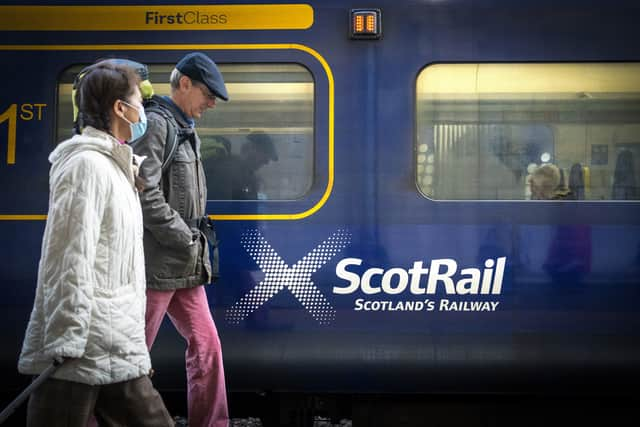
The Scottish Government said it decided not to carry the £40 million scheme forward because it did not persuade enough people to swap their cars for the train.
The move had resulted in a 6.8% increase in passenger numbers but required a 10% rise to be self-financing.
During Tuesday’s committee, the Transport Secretary said she was monitoring whether the end of the rail pilot could decrease the number of people using the country’s trains.
The end of the scheme meant fares in many journeys doubled for peak users, with the popular Glasgow to Edinburgh commuter service costing passengers £31.40 – up from £16.20.
Ms Hyslop said it was “disappointing” the trial did not see the shift to rail services the Government had hoped for.
She told MSPs she would monitor its impact on passenger numbers, particularly during the coming autumn.
“I expect to have some information sometime around this spring,” she said.
Jamie Livingstone, head of Oxfam Scotland, said: “Scottish ministers can’t claim there’s not enough money to make public transport cheaper while stalling on taxing private jets – the most polluting and unnecessary way to travel.
“We estimate this could raise up to £30 million a year to invest in green initiatives that benefit us all, like affordable public transport, while helping to realise the commitment to cut car kilometres by 20% by 2030.
“Ministers have options to fairly raise new revenue, they just need to implement them.”