
‘Obvious issues’ to address within ICRIR, Sir Declan Morgan says
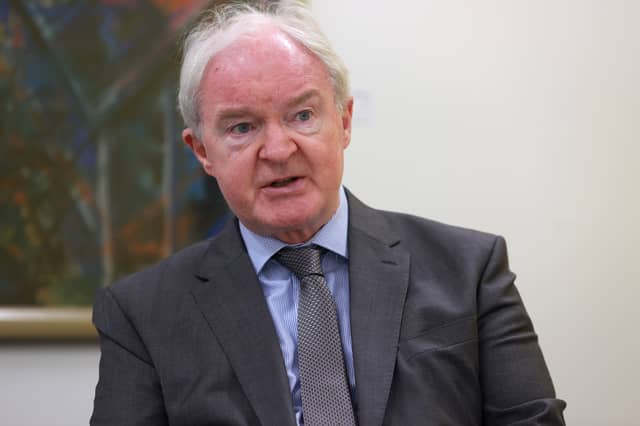

The body tasked with investigating unresolved Troubles cases will release its first report in the coming weeks, its chief commissioner has said.
Sir Declan Morgan said it has been a “difficult week” for the Independent Commission for Reconciliation and Information Recovery (ICRIR) after a review described a “toxic” and “divided” working culture inside the organisation.
All UK police investigations into Troubles-related killings were shut down in May 2024 under the previous Conservative government’s Legacy Act and the ICRIR was established.
Labour’s Bill, agreed as part of a joint framework with the Irish Government, will put in place a reformed Legacy Commission with enhanced powers.
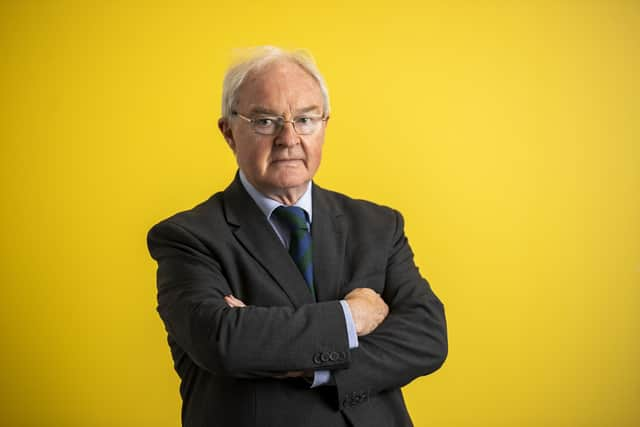
Speaking to BBC Radio Ulster’s Talkback, Sir Declan said there were “obvious issues” the ICRIR had to address but nothing in the report would prevent the commission from carrying out its commitment to deliver the truth for victims and their families.
He said his “competent and capable” workforce remains “committed to the project”.
Asked if he recognised the picture of dysfunction, low morale and weak governance depicted in Mr May’s findings, Sir Declan said he understands and accepts the conclusions of the report, adding that he had apologised for the fact staff felt they were not supported in their work.
“I wasn’t together altogether surprised by his conclusions, because I was had broadly reached the same views myself, and I think there are things there that are deeply troubling.”
He said he found it “troubling” that senior women in the organisation felt that they were treated rudely and disrespectfully.
Asked if this amounted to sexism or misogyny, he replied: “I don’t think that’s right.”
He added: “I asked Peter about this and what he said was that he saw this as incidents of isolated rudeness.”
Sir Declan said the body’s chief executive and directors of HR and finance were women, along with its head of findings and two out of three assistant commissioners of investigation.
He said the organisation was committed to diversity, adding that the chief executive “is taking forward steps to explore whether or not there is actually any gender issue” in the body.
Asked if he accepted a toxic working culture has developed in the commission, he said: “I accept that some people feel that.”
The chief commissioner said he was working with Mr May to implement his recommendations.
On governance issues, Sir Declan pointed to the “shape of the legislation” underpinning the body as a contributing factor to reports of division among the leadership.
He said roles were not clearly established and accountability arrangements were unclear in statute.
However, he said this did not excuse rudeness and disrespect.
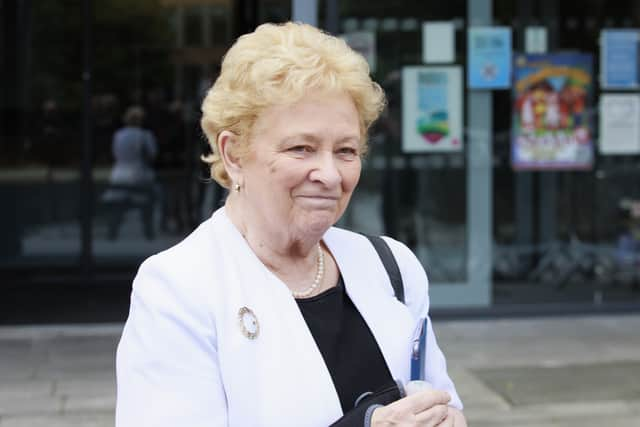
Pressed on criticism by former police ombudsman Baroness Nuala O’Loan that the ICRIR had yet to deliver any report, Sir Declan said there will be a “regular drumbeat” of new reports – with the first being sent to a family for review at the end of this month.
He said four reports should be released by the end of the summer, with “more on the way”.
He said the commission estimates it will complete up to 650 reports across a 13-year process.
Baroness O’Loan also highlighted a lack of investigatory powers available to the ICRIR, such as surveillance and access to financial information, as well as information-sharing with the government of Ireland.
Sir Declan said the powers available to investigators are restricted when it is not at a criminal level.
He said 90% of ICRIR’s cases will not reach the standard for a criminal prosecution but said the commission was seeking powers for the remainder.
He said the Home Office should add the body to the Investigatory Powers Act of 2016.
Sir Declan also said the commission needs engagement from the Republic of Ireland.
He said the ICRIR could not say it is “satisfied that we have looked under every stone” if Ireland does not “play their part in providing information”.
Asked if he would lead a restructured Legacy Commission following the passage of the current Government’s reforms, he said: “I’m not sure about that. I approach my 75th birthday next January – I don’t think I’ll be signing up for a five-year term to do anything.
“But what I can tell you is that any help or support that I can give in order to ensure that victims and families get what they deserve in Northern Ireland, I will do everything that I can to support.”