
Public inquiries system ‘overstretched and poorly defined’, committee finds
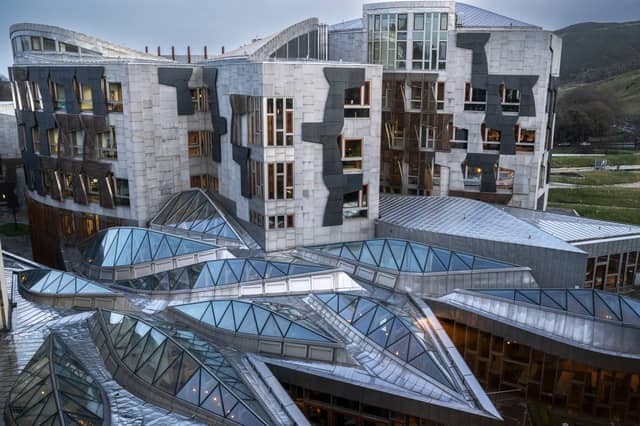

The public inquiries system is “overstretched and poorly defined”, MSPs have heard.
The Finance Committee has examined the cost effectiveness of public inquiries, which it found often have “ever-expanding timescales, costs and expectations”.
Committee convener Kenneth Gibson said during a debate in Holyrood on Thursday: “Our scrutiny found that public inquiries remain an essential mechanism for holding public bodies to account, reviewing past wrongs, identifying solutions and recommending policy changes.
“Nevertheless, the current system is overstretched and poorly defined.
“Inquiries often lack a core objective, whether that is in forensic investigation, policy reform or truth-telling. Instead they often attempt to perform all those functions with ever-expanding timescales, costs and expectations.”
The overall cost of inquiries to the public purse has been more than £258 million since 2007, Mr Gibson said.
The committee has asked the Government for clear guidance for the purpose, limitations and scope of inquiries.
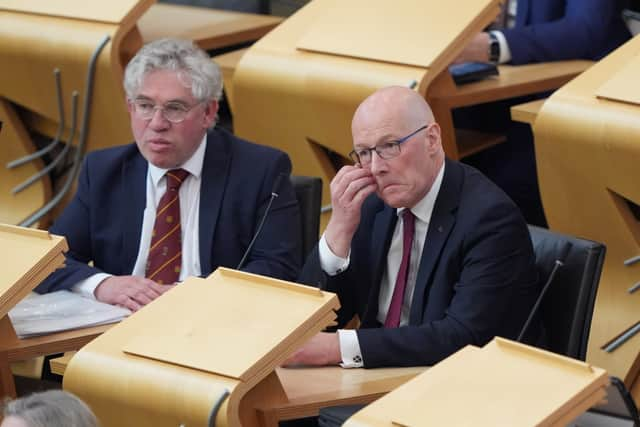
Mr Gibson said he is “disappointed” the Government has not accepted many committee recommendations.
He said: “I welcome the Scottish Government’s generally positive reception to our report, but I am disappointed it has fallen short of accepting many of the concrete, practical and evidenced actions that our committee recommended.”
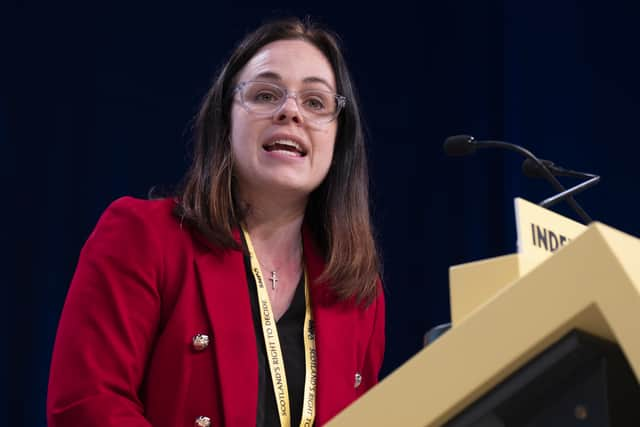
Deputy First Minister Kate Forbes said she believes there are circumstances where a limited timescale is not always the “best idea”.
She added: “With the Scottish Child Abuse Inquiry, I absolutely support the fact that it has taken longer than three years, because when it was first established it probably was not envisaged just the scale of the evidence that would be coming forward.
As well as the abuse inquiry, there are public inquiries ongoing in Scotland into the death of Sheku Bayoh in police custody, and into the police investigation into the murder of Emma Caldwell in 2005.
Other inquiries are examining the Scottish Government’s response to Covid, and problems with the Queen Elizabeth University Hospital in Glasgow and the Royal Hospital for Children and Young People in Edinburgh, with an inquiry also looking at the actions of disgraced neurosurgeon Sam Eljamel during his time working for NHS Tayside.
Ms Forbes continued: “We think that it is absolutely right that in some occasions in particular there should be a clearer approach to requiring explicit anticipated timescales.
“We discussed this before, but where the terms of reference are set then it is up for the chair to consider how the inquiry fulfils its terms of reference.
“I think there is a balance here for how to ensure that the inquiry chair is free to follow the evidence wherever it leads, and where a timescale has been indicated and the chair then feels that they do not need to use the full time, or indeed need to extend it, I think that needs to be a discussion with ministers.”