
Rally in Seoul against Japanese plans to release nuclear wastewater into sea
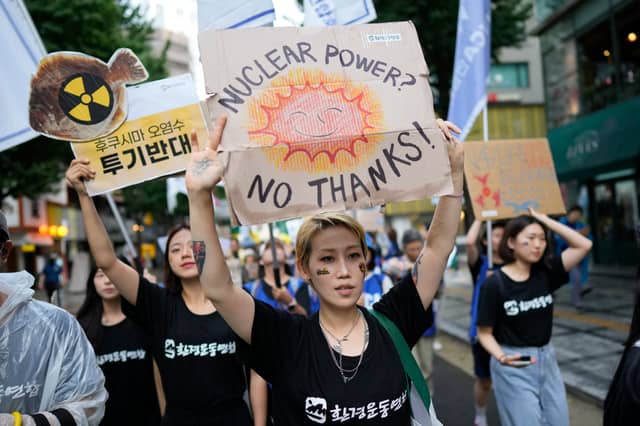

Hundreds of South Koreans have marched in their capital amid anxiety about Japan’s impending release of treated nuclear wastewater from the tsunami-damaged Fukushima nuclear power plant.
Protesters called for Tokyo to abandon the plans, and expressed anger towards Seoul for endorsing the discharge despite alleged food safety risks.
Saturday’s rally was the latest protest since the International Atomic Energy Agency (IAEA) approved the Japanese discharge plans in July, saying that the process would meet international safety standards and pose negligible environmental and health impacts.
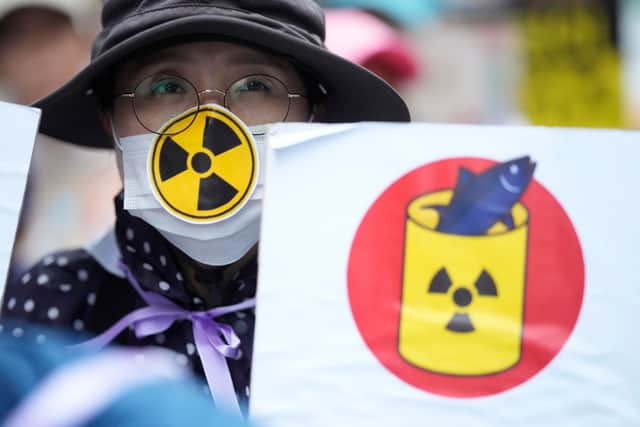
The Japanese government has said the wastewater release is set to start this summer, but it has not confirmed a specific date.
Wearing raincoats and holding signs that read: “We oppose the disposal of Fukushima’s contaminated water,” and: “No radioactive material is safe for the sea,” the demonstrators marched in light rain through the streets of Seoul city centre.
The rallies were proceeding peacefully and there were no immediate reports of clashes or injuries.
South Korea has been trying to calm people’s fears of food contamination and environmental risks ahead of the release of Fukushima’s wastewater, including expanding radiation tests on seafood at the country’s major fish markets and even testing sand from its southern and western beaches.
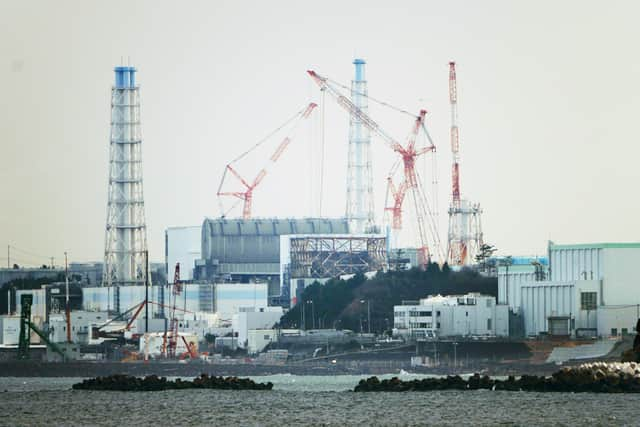
Park Ku-yeon, first vice minister of the office for government policy coordination, said South Korea was hoping to wrap up working-level consultations with Japan next week over allowing South Korean experts to participate in the monitoring of the release process.
Liberal opposition legislators controlling the country’s National Assembly have accused Mr Yoon’s government of putting people’s health at risk while trying to improve bilateral ties.
The Democratic Party said this week that it plans to file a complaint with the United Nations Human Rights Council to highlight the what it says are perils posed by the release of Fukushima’s wastewater, and question whether the IAEA properly reviewed the risks before greenlighting the discharge plans.
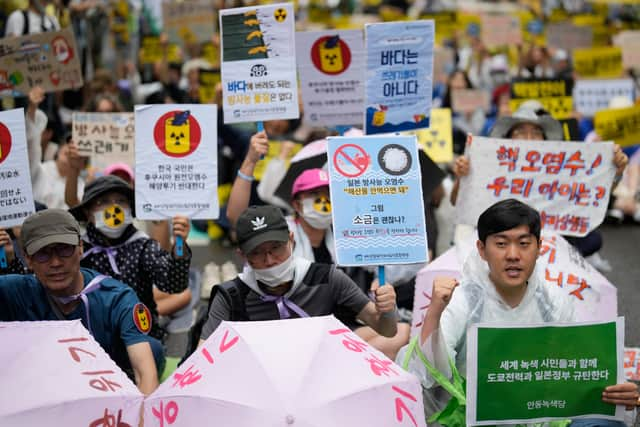
The safety of Fukushima’s wastewater has been a sensitive issue for years between the US allies.
South Korea and Japan have been working in recent months to repair relations long strained over wartime historical grievances to address shared concerns such as the North Korean nuclear threat and China’s assertive foreign policy.
A massive earthquake and tsunami in 2011 destroyed the Fukushima plant’s cooling systems, causing three reactors to melt and contaminate their cooling water.

Japan first announced plans to discharge the treated water into the sea in 2018, saying the water will be further diluted by seawater before being released in a carefully controlled process that will take decades to complete.
The water is being treated with what is called an Advanced Liquid Processing System, which is designed to reduce the amounts of more than 60 selected radionuclides releasable levels — except for tritium, which officials say is safe for humans if consumed in small amounts.
Junichi Matsumoto, the corporate officer in charge of treated water management for Tepco, pledged in a news conference last month to conduct careful sampling and analysis of the water to make sure its release is safely carried out in accordance with IAEA standards.