
Rare Henry Moore sculpture sold for eight times estimate after bidding war
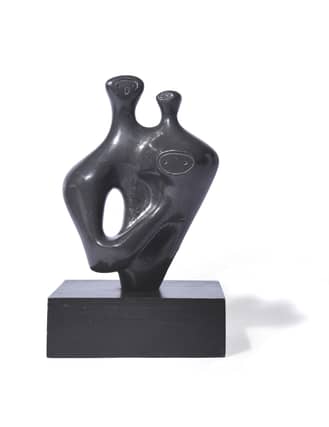

A sculpture by pioneering British artist Henry Moore has sold for £400,000 at auction after a bidding war.
The lead sculpture, titled Mother And Child, is considered “extremely rare” as it is a material the sculptor used only for a short period in the 1930s during an experimental stage in his career, the auction house said.
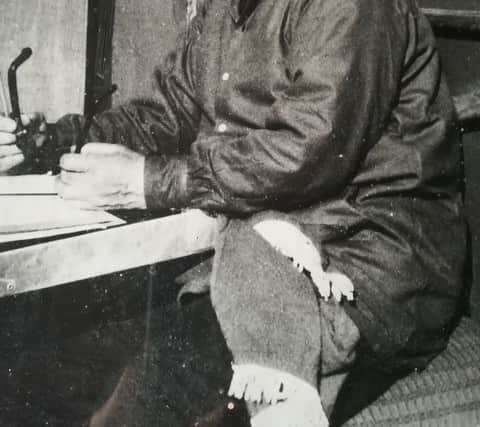
Francesca Witham, a specialist at Dreweatts, said: “We are thrilled with the amazing result achieved for the Mother And Child sculpture by Henry Moore.
“It shows that rare and unique pieces will always inspire competitive bidding and that the appetite for such works remains strong.
“The sculpture was enthusiastically contested, with bidding both online and on the phones, and, having been left undiscovered for over 40 years, this very special lead sculpture now heads to a new home with a UK private collector.”
Dreweatts said the piece was crafted in 1939-40, and had been a gift to the original owner, Hubert de Cronin Hastings, who at the time was the editor of The Architectural Review.
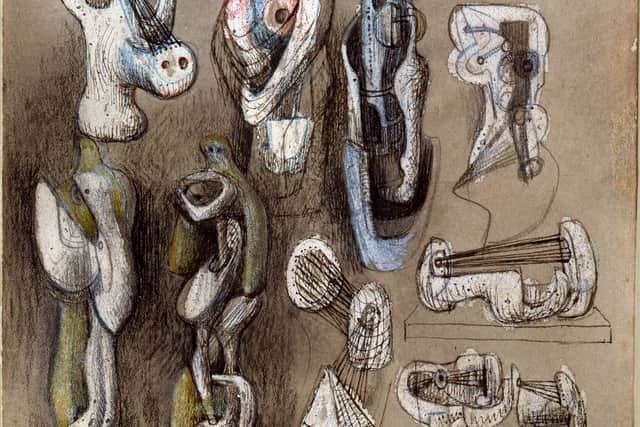
Moore was born in Castleford, a mining town in West Yorkshire, in 1898, and, after training to be a teacher and serving in the British Army, he studied at Leeds School of Art and the Royal College of Art in London.
He is considered a pioneer of his craft, and was the first British artist to become globally recognised in his lifetime.
Moore’s sculptures are now seen as symbolising post-war modernism, and The Henry Moore Foundation credits his work with creating a British sculptural renaissance.