
Rolls-Royce buyers prefer EVs so they can avoid ‘unsafe petrol stations’
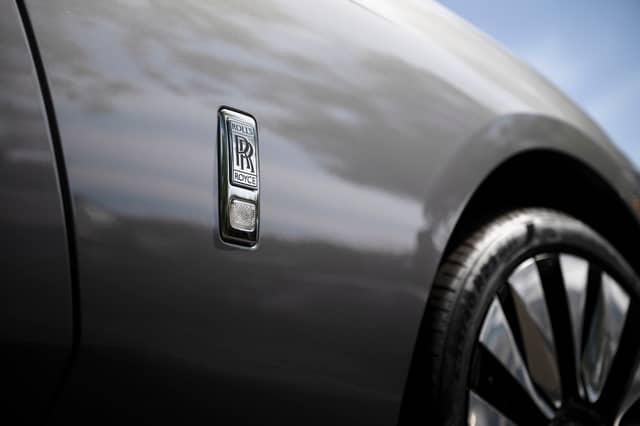

Rolls-Royce buyers prefer electric cars because it means they can avoid using ‘unsafe’ public petrol stations, says the firm’s CEO.
At the launch of the Goodwood-based car manufacturer’s new electric Spectre model, chief executive Torsten Müller-Ötvös told the PA News Agency that buyers will charge their cars at home or at work.

Müller-Ötvös said: “Owners don’t need to detour to any petrol station and that is seen as far more safer than originally going to a petrol station.
“That was quite an interesting learning for us as we wouldn’t have thought about it. Buyers clearly see it as an advantage.”
The Rolls-Royce Spectre has a range of 329-miles and can be fully charged with a 50kW fast charger in 95 minutes.
Müller-Ötvös said he did not think the Government was doing enough to support public charging infrastructure in the UK and more needs to be done.
He added: “In the context of the very ambitious legal requirements from 2030 onwards, I would suggest clearly ramping up public projects. It would be quite a pity to see, after all the investments the automotive industry is now doing, that the infrastructure can’t cope.
“In many areas in the UK, you have infrastructure that is not sufficient. And for that reason, my recommendation is speed it up.”

The Rolls-Royce CEO also said that while the cost of living crisis had not affected order intake for the car maker, it was acutely aware its buyers were nervous.
He said: “Knowing that the majority of our clients are business owners, they obviously are sensitive when it comes to economic downturns, potential recessions, and so on.
“We are not immune to that because buying or acquiring a Rolls-Royce is very much about how they feel. If the sentiment isn’t right, it could be postponed.
“We haven’t seen a slowdown in order take. I mean, it’s even the contrary. In particular, orders are skyrocketing up to levels I haven’t seen before, but I hear and understand from our client base that there is nervousness about a recession, and what happens with the economy here in the UK.”