
Scotland’s first meniscal cartilage transplant takes place
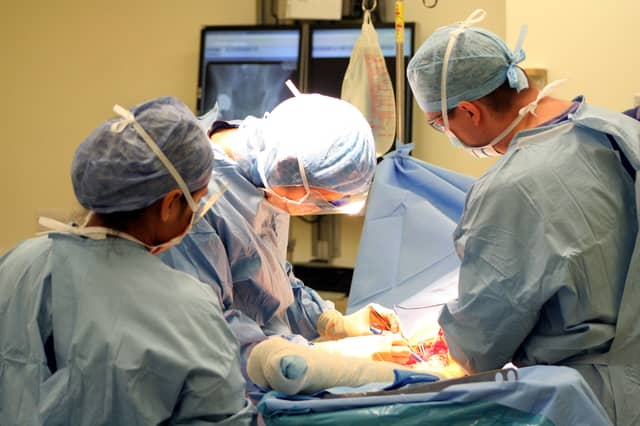

A man who feared he would have to give up his active lifestyle said he can really feel a difference after becoming Scotland’s first recipient of a pioneering new treatment.
Matthew Watkins, 24, suffered damage to his knee after an accident at the gym which stopped him from mountain biking and hill walking.
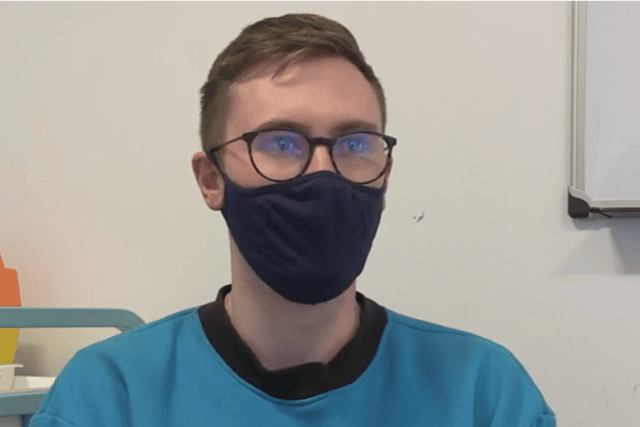
“Basically, I had destroyed the whole of the inside of my knee and damaged the actual bones, so the cartilage had worn away and needed to be repaired.”
Following consultation with orthopaedic surgeons at the Golden Jubilee hospital in Clydebank, Mr Watkins was put forward to be one of the first patients in Scotland to receive a meniscal transplant.
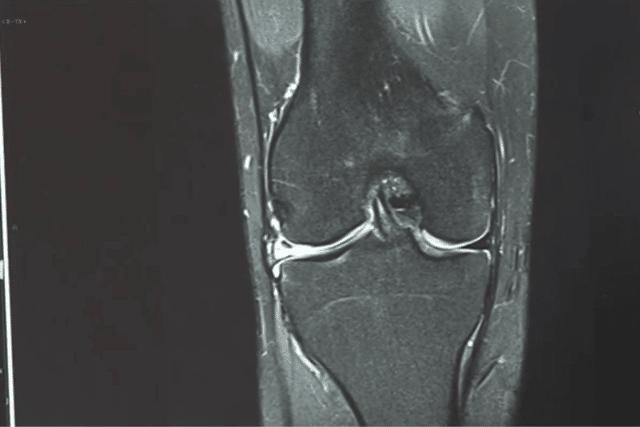
Menisci can tear due to trauma or overuse and if they are so badly damaged that they cannot be repaired, persistent knee pain or oesteoathritis can develop and potentially lead to the need for a full knee replacement.
Meniscal transplants have the potential to improve the quality of life in younger patients who lead more active lifestyles.
Meniscal graft was sourced from the US and using a camera, the new cartilage was implanted through a keyhole procedure under a general anaesthetic.
“In terms of how it felt immediately afterwards, I could feel something was inside my knee when I was putting weight on it compared to how it felt before when I didn’t have any meniscus in there,” he said.
“I’m glad I had the surgery, I can really feel a difference.”
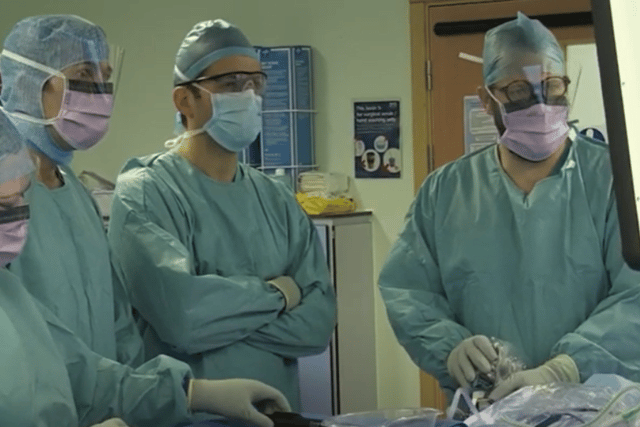
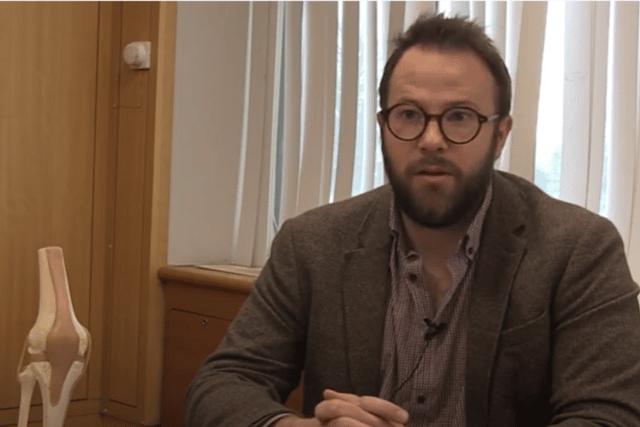
Mr Gee said: “We are very excited to be able to offer this surgery, as it is the first time this technique has been carried out in Scotland.
“The procedure tries to restore the cushioning effect of the meniscus, in turn preserving the joints until later in life.
“There is increasing evidence that it can help with symptoms and reduce the chance of the patient developing arthritis, which can be very difficult to treat in younger patients.
“There is a lot of evidence to support good functional outcomes, so we’re really looking to be able to provide this procedure for many more people from across Scotland.”