
Scottish paramedic leaves NHS for Australia to earn thousands more and play bagpipes on the beach outside four-bed home
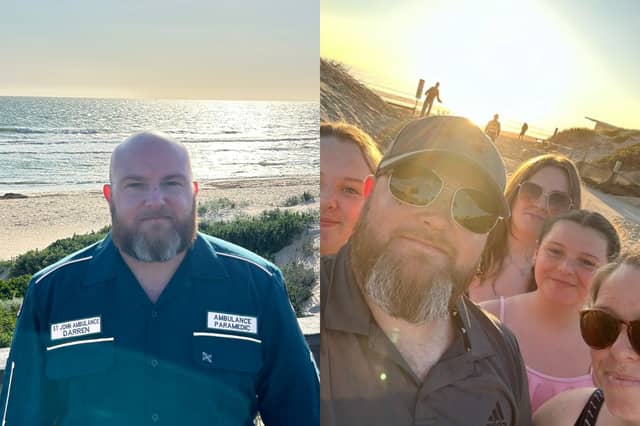

A Scottish paramedic who left the NHS to save lives in Australia can now play bagpipes on the beach next to his four-bedroom home while he earns thousands more per year in a “happier” work environment.
Darren O’Hare, 38, originally from Fife, worked as a paramedic for the Scottish Ambulance Service in the Forth Valley area for 10 years, saying he had an “enjoyable” experience but it came with its “challenges” – especially during the pandemic.
The father-of-three said it had been a dream of his and his wife of 15 years, Susan, 39, to relocate to Australia but said they were always waiting for the right time.
In June this year however, Darren, his wife, their three daughters, Carmen, 21, Ellie, 15 and Keira, 12, along with the family dog Finlay, packed up from their three-bedroom house in Grangemouth and relocated to Perth in Western Australia.
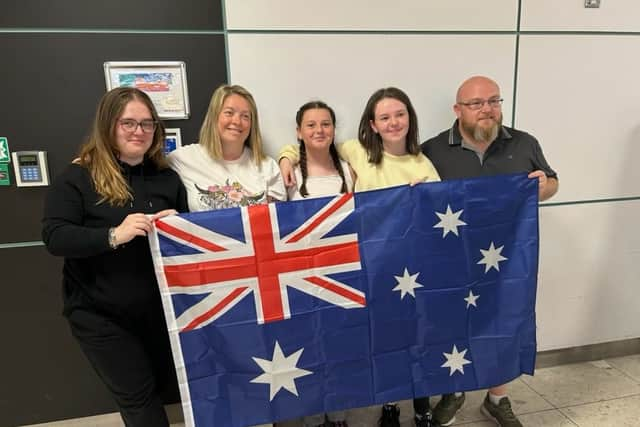
They are renting a four-bedroom house close to the beach for 680 Australian dollars (£350) a week while they wait to obtain permanent residency and for the sale of their old home to complete, and Darren said there was “no chance on hell” they could have afforded a similar property in Scotland.
Darren has also noticed a difference between the working conditions in the NHS and the health service in Australia, saying his colleagues seem “happier” and there is less “stress” despite the similar challenges they face.
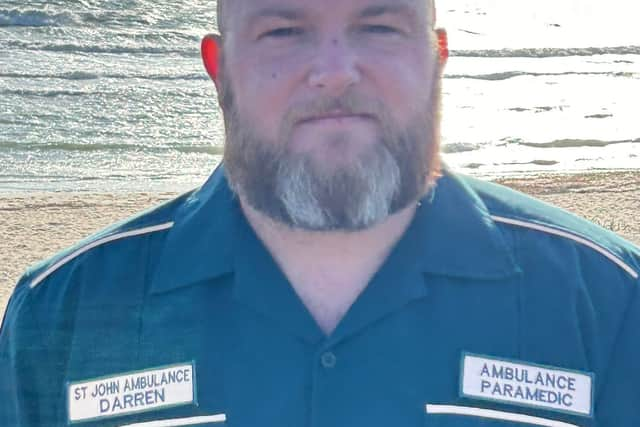
“I don’t like bad mouthing Scotland and I’m fiercely proud of the Scottish but a major thing for me is opening my blinds and seeing some bright, sunny skies, it lifts your mood,” Darren told PA Real Life.
“We finish work and go to the beach, we live right on the beach and we’ve booked various trips to see the wildlife, dolphins, whales, things like that.
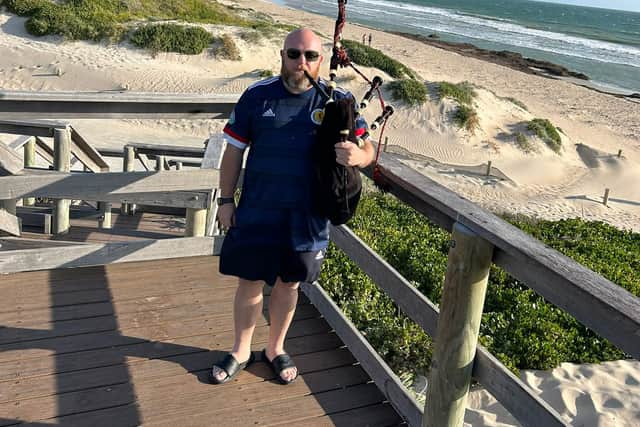
Darren spent just under 12 years in the British Army from the age of 16, working for the first five years as a mechanic before transferring to the Royal Scots Dragoon Guards, where he worked on battle tanks and, as a bagpipe player, joined the pipe band as a regimental piper.
He joined the Scottish Ambulance Service in 2014, working as an ambulance technician for four years before qualifying as a paramedic in 2018.
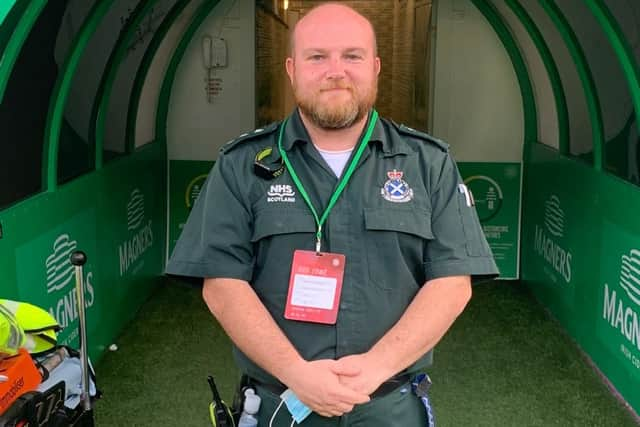
“In December 2019 I got a promotion to a team leader as a front-line supervisor and obviously, five months after that, we were up to our necks in a pandemic,” he said.
“To be a supervisor through that period was wild, it was a really big challenge through Covid.
“But ultimately, 10 years and three months, it was a really enjoyable experience and I worked with really good people.”

Darren said he revisited the prospect when he became a paramedic, saying he applied or reached out to every ambulance service in Australia and New Zealand but was informed they would need to favour their residents first.
In 2022, a colleague told him St John Ambulance Western Australia were seeking international applicants and Darren said their dream was “reignited”.
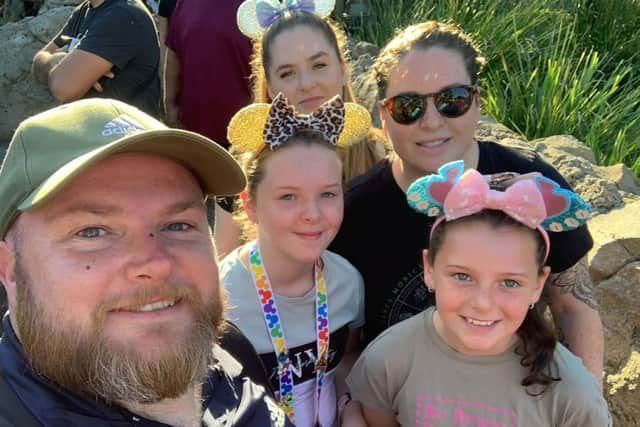
He said the process of obtaining visas for the family, enrolling his two younger daughters into new schools and selling their property in Scotland was “stressful” and time-consuming.
After putting their three-bedroom house in Scotland on the market in February, the sale has fallen through twice and they are still waiting for it to complete before starting the process of obtaining permanent residency in Australia.
He said they will purchase a house once this is finalised.

While waiting for their house sale to complete, the family are renting a four-bed, two-bath property with a large back garden and theatre room close to the beach.
“There’s no chance on hell that I could afford a house like this in Scotland,” he said, adding that he and his wife both earned a good income back home.
“The house we were living in was too small for us, the five of us plus our dog and we needed a bigger house but we could not have afforded one.

Darren has noticed a few differences between the health services in the UK and Australia in terms of his pay, the morale amongst his colleagues and the cohesion between the hospital and the ambulance crews.
“I was a manager for the last three years in Scotland… I’m earning more now as a bottom level paramedic here in Australia,” he said.
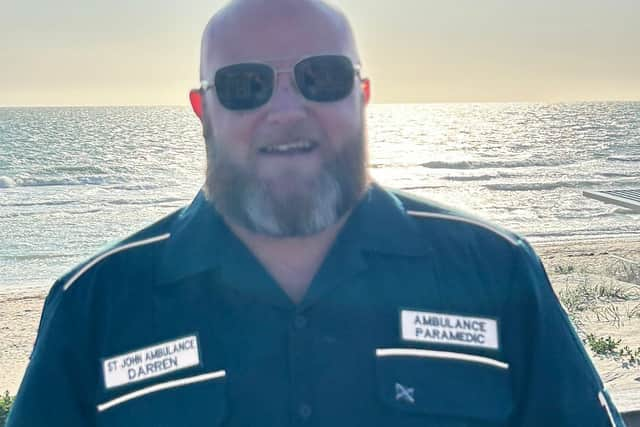
“We all have bad days at work and there’s challenges here, there’s no denying it, but everybody seems to take it in their stride and there seems to be a lot less stress,” he said.
“It feels as though there’s a much more collaborative approach between the ambulance and the hospitals, and I can only go from my experience, but on a recent shift, I spent a lot of time waiting to hand patients over but there’s no stress.
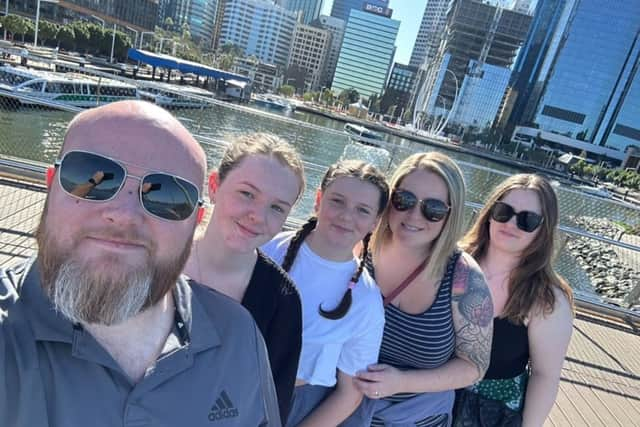
He also feels his quality of life has improved with regular trips to the beach and more activities for the family to do together.
“We want to give the girls the best chance in life,” he said.
“Ideally, we would have done it 10 years ago when we had a 10, a five and a three-year-old if everything would have lined up.
“Everything on offer for us is far better than what we had back in Scotland.”