
Steroid-using vegan bodybuilder says sport is ‘harmful’ and warns clients off his path to reduce ‘unnecessary deaths’
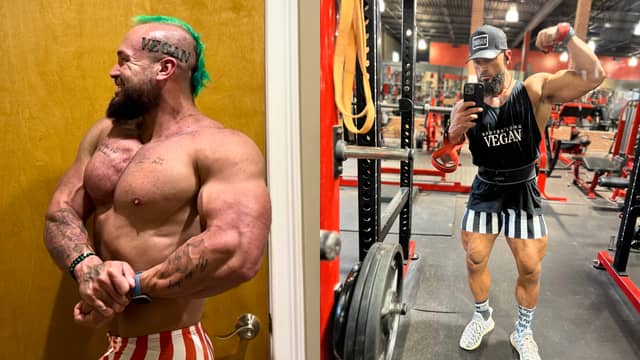

A steroid-taking online fitness coach is on a mission to promote veganism in the bodybuilding community to reduce “unnecessary deaths”.
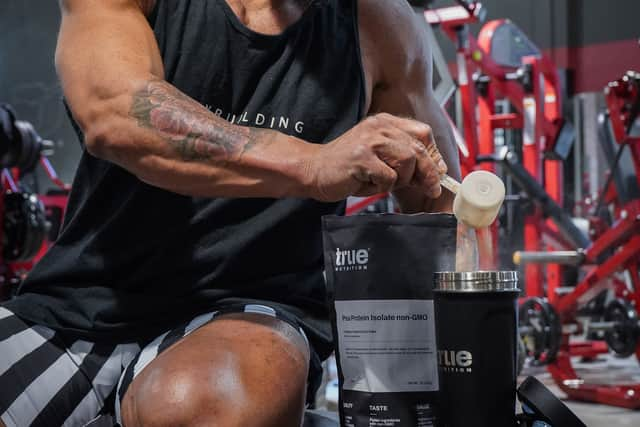
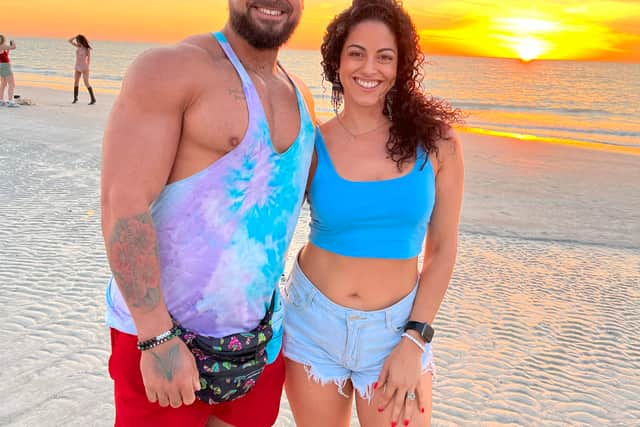
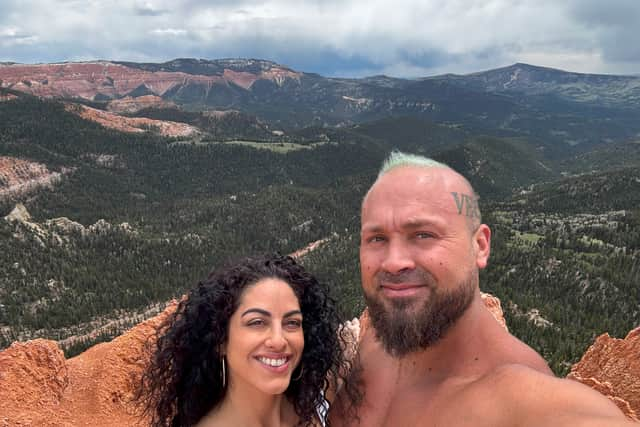
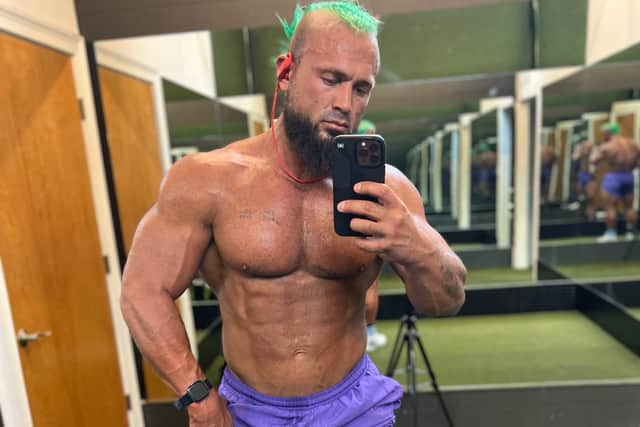
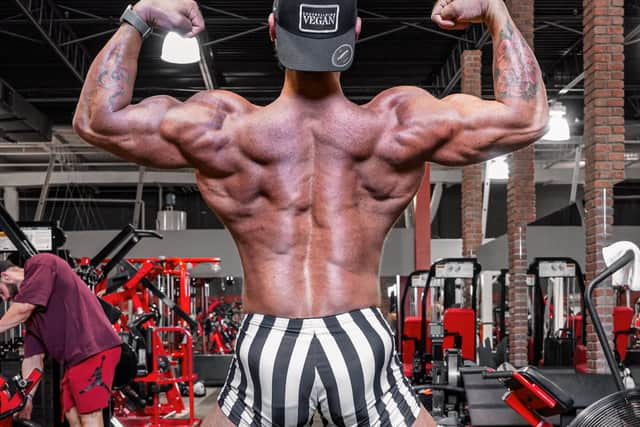
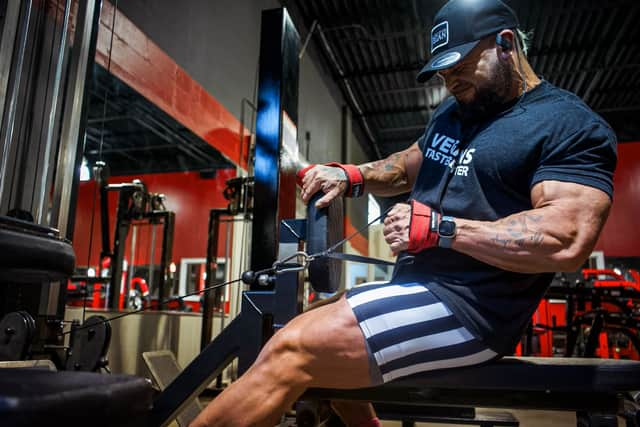
John Thomas, 32, from Florida, has been vegan for nearly two decades and now eats 350g a day of plant-based protein as part of his efforts to sustain his six-foot, 250-pound frame.
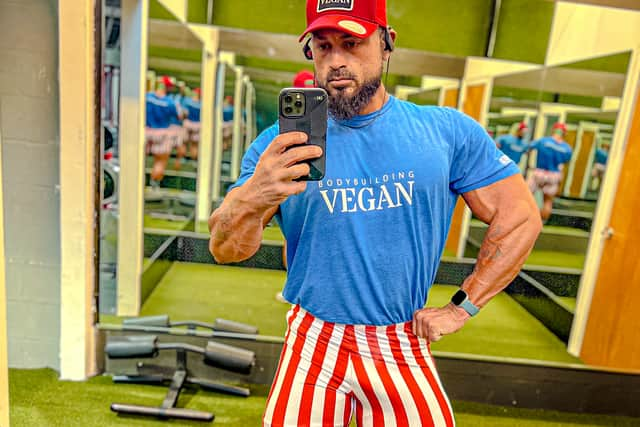
After experiencing body dysmorphia and working with a coach on his own binge-eating behaviour, he is keen to highlight the risks of this “extreme sport”.
He believes a plant-based lifestyle could help reduce bodybuilding-related deaths based on bloodwork results from steroid-using athletes he has worked with.
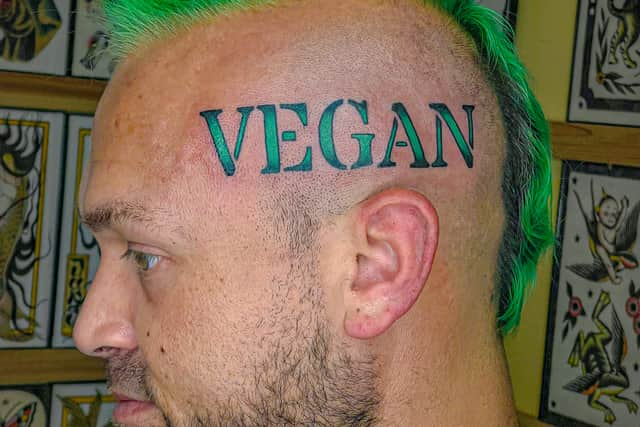
“It’s riddled mentally with eating disorders and, physically, with hormone damage and steroid abuse.
“Even with natural competitors, women will often lose their periods, and men will lose their ability to get erections for six to eight weeks before a show; it’s a very damaging sport in the sense of doing whatever it takes to get on the stage.
John became vegetarian aged 10 after his best friend told him that eating a hamburger meant killing a cow.
“At first I was upset, but I couldn’t argue with her logic,” he said.
He began lifting weights at 14, training naturally for the first eight years of his career, typically hitting the gym four to six times a week, sometimes twice a day.
“I got up to 200 pounds, squatting 405 pounds for multiple reps and benching 315 pounds at age 20,” he said.
This meant he was no longer eligible to compete as a natural athlete, and so he began experimenting with other steroids to grow his muscle mass further.
“I wanted to prove a vegan could keep up with steroid-using meat eaters,” he said.
The NHS advises that anabolic steroids, when misused without medical supervision, can lead to serious physical and psychological health risks, including addiction, depression and side effects such as aggression and hair loss.
While John has not experienced negative side effects himself, he is aware these substances carry risks and views steroid use as a “personal choice”, similar to tattoos or extreme sports.
“It’s like being a parent to a kid who wants a motorbike – either you forbid them and they buy the bike anyway, or you buy them a helmet, gloves, lessons and send them to a track with no cars.”
However, he has experienced negative consequences from competing, including body dysmorphia and binge-eating after extreme dieting for so long.
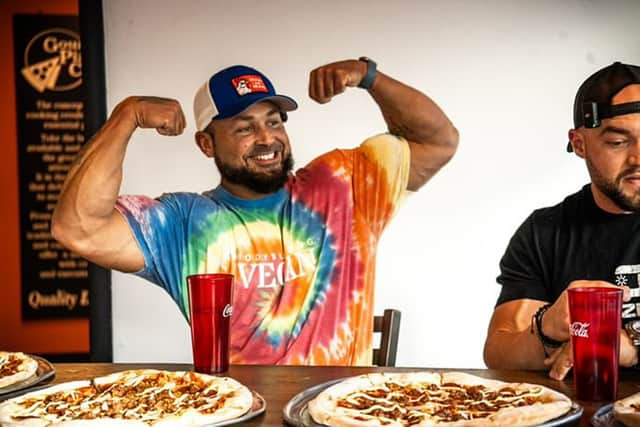
“A lot of people get into bodybuilding as a way to fix their current problems, whether they’re going through a breakup or a midlife crisis or depression or something else,” he explained.
“We need to promote more community and therapy, because a lot of people don’t have the support they need, or don’t know where to look for support, and that causes them to end up taking their life as a way out.”
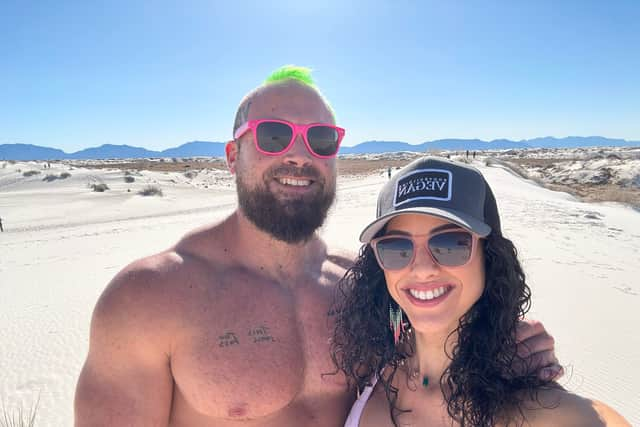
John works with clients on everything from blood work to posing routines, challenging the myth that you cannot build muscle on a vegan diet.
“Why do we have plant-based athletes winning at the Olympics? Why have some of the long-distance world records been set by vegans?” he said.
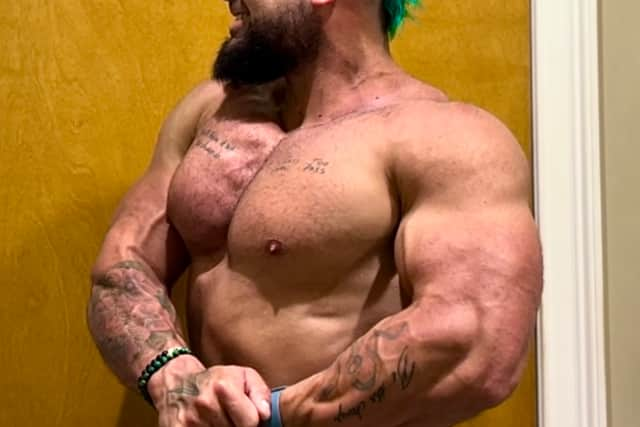
“Many meat-eating bodybuilders have alarming bloodwork, and switching to vegan proteins often improves their kidney, liver and heart values,” he claims.
John typically eats six meals a day, consuming between 3,500 to 4,500 calories and 350g of plant-based protein to maintain his own physique.
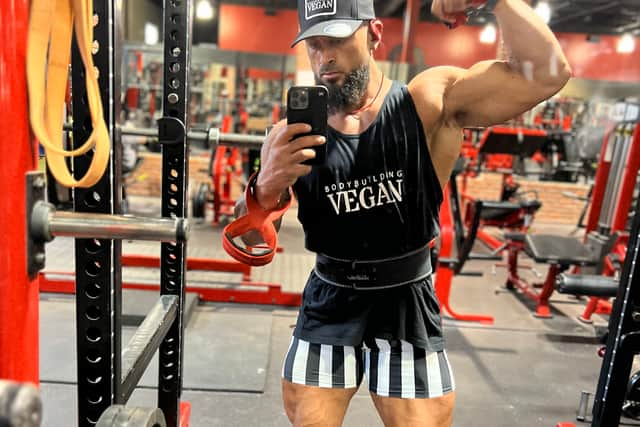
John’s partner, life coach and yoga instructor Ali Martinez, 40, is also vegan, and John says she motivates him to “be better” every day.
He has the word “breathe” tattooed on his hand in her handwriting to help manage work-stress-induced panic attacks.
John’s ultimate goal is to end factory farming and convert as many people as possible to a vegan lifestyle, not just for animal welfare, but because of the potential health benefits too.
“We do not inherit the world from our parents, we borrow it from our children, so if you are not yet vegan and thinking about it, I would ask you to really think about it,” he said.
For support and more information about eating disorders, visit: beateatingdisorders.org.uk.