
Student on track to be UK’s first deafblind doctor blazes a trail for disabled medics following fears she would quit after pandemic hospital stay
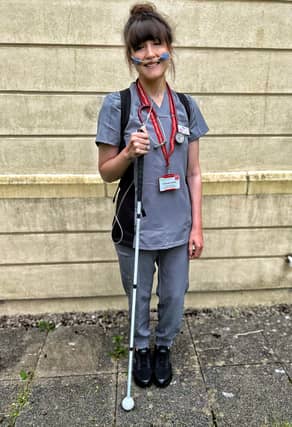

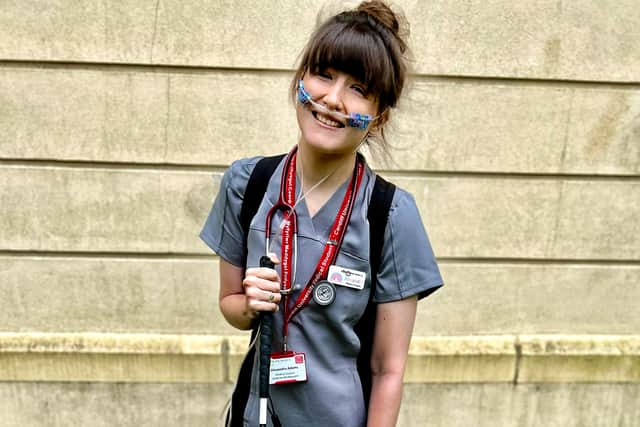
A medical student who is training to become the UK’s first deafblind doctor feared she would have to quit when she was hospitalised for 17 months in the pandemic but is back on track and vows to blaze a trail for disabled medics.
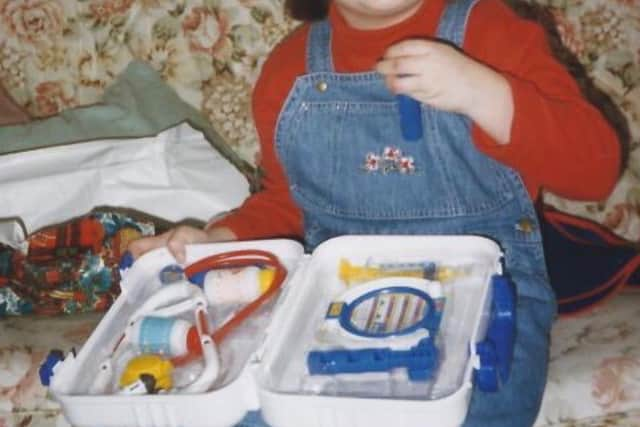
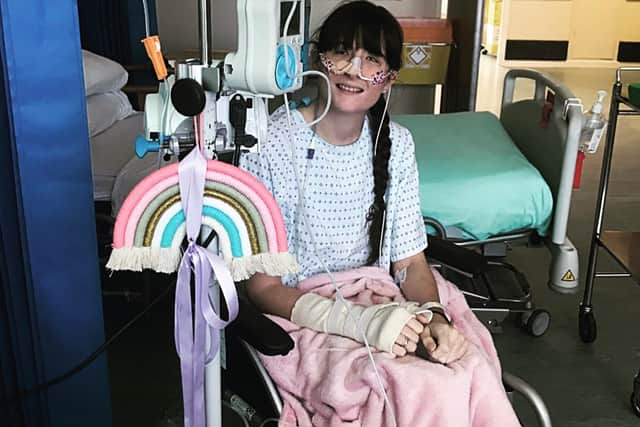
Alexandra Adams, 28, was just 16 when she vowed to become a doctor, after being inspired by the medical team caring for her during an 18 month hospital stay.
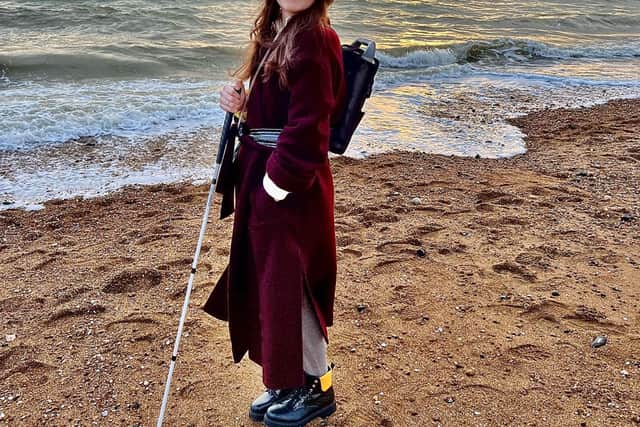
Alexandra, of Newport, South Wales, who is currently living in Cardiff, said: “My biggest challenges aren’t my disabilities. It is ignorance and stereotyping that makes things hard.
“I’ve been deafblind my entire life and I’m able to adapt. I live alone, I’m very independent and just get on with it – be it doing triages, taking blood, or entering swimming competitions and skiing.
She added: “I have had people every day tell me I will never become a doctor. Once someone sees ‘deafblind,’ they create an assumption that I’m mute and I’m not independent.
“It’s because people build this incorrect perception of what deafblind means.
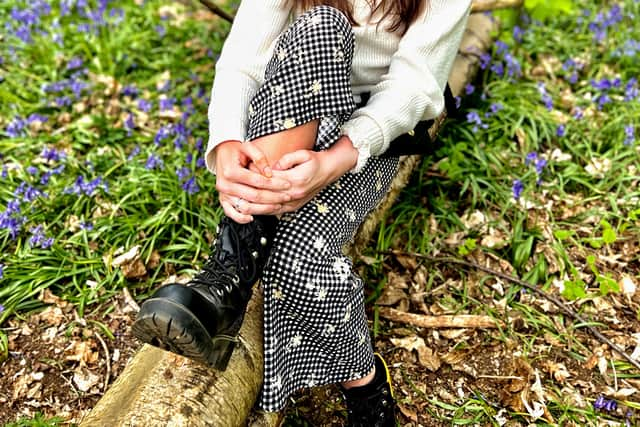
She added: “It will be so satisfying for me at the end of this journey, if I can just help one person to achieve their dreams in spite of their disability.
“Then I will have done my job.”
But she is now once more pursuing her career goals and hopes to find her soul mate.
She said: “I’ve spent the best part of the past two years in hospital.
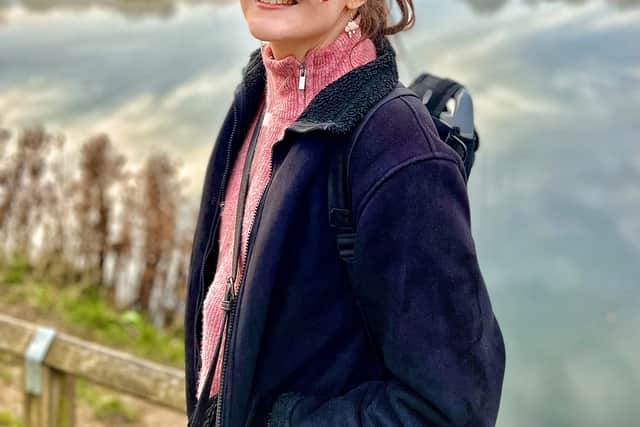
She added: “I’d love to have a man in my life, but with the combination of medical school and all my commitments, I’ve not had the opportunity to bump into anyone.
“I live on my own and I like being independent, but I’d love to meet my soul mate.
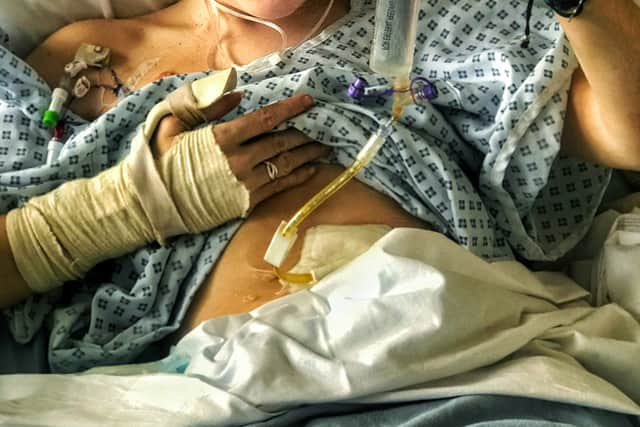
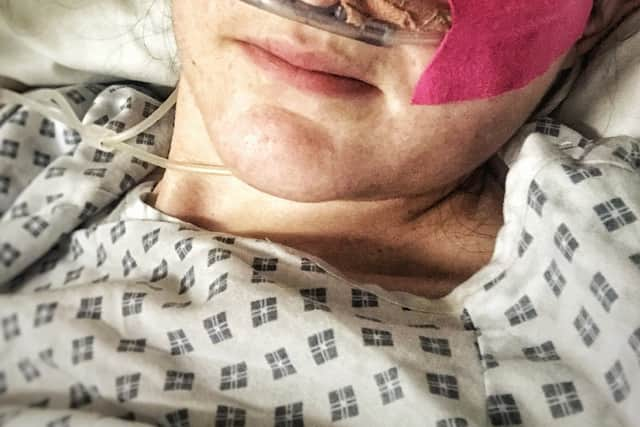
Alexandra’s studies were put on hold after she was rushed to Cardiff’s University Hospital of Wales in July 2020 feeling unwell and was told she collapsed when she arrived at A&E.
After several harrowing months, in October 2020, she was finally diagnosed with EDS.
She added: “I was worried that if I got Covid, I’d be finished. But my condition kept deteriorating and I had no choice but to got to hospital.
“I just remember being driven to the A&E and getting out of the car, when, apparently, I collapsed and had a seizure.
She added: “It causes my joints to dislocate 20 times a day. It also causes issues with my digestive system and I was vomiting every single day.
“I lost all ability to go to the toilet. It was just horrific and it slowly affected every part of my body until I was bed bound.”
She said: “I’m beyond excited, I can’t believe it. I thought I was going to have to quit medicine for good, which was utterly devastating.
“Everything I’d worked so long and hard for was inches from being destroyed.
She added: “I have a voice in my head that just tells me to believe in myself and I’m excited to see where I’ll be in 10 years time.”
Alexandra was born deaf in both ears, and has vision of less than five per cent in her left eye and none in her right.
Determined to succeed, she is equally driven to become a champion for other disabled people and to give them a voice.
She said: : “Becoming a doctor isn’t just my dream now.
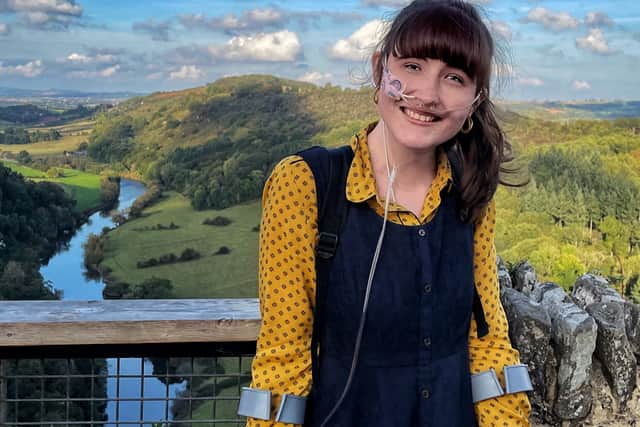
Growing up in a supportive household, Alexandra said her mum Julie Adams, 54, a retired physiotherapist, and engineer dad David Adams, 55, always encouraged her to find her own path in life.
She added: “My parents have been my biggest supporters, but they have also been concerned that I would get hurt and I have had my fair share of discrimination and hatred.
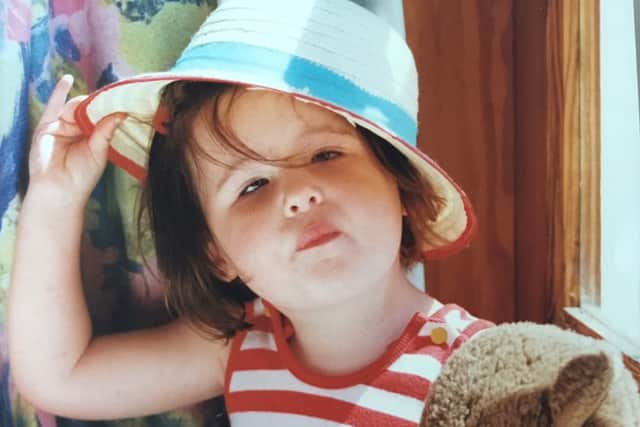
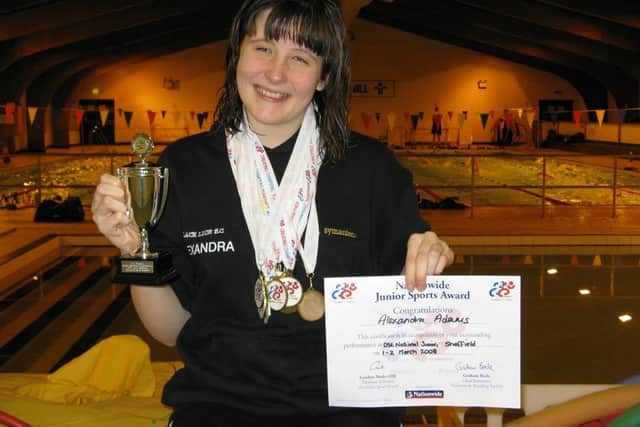
A successful swimmer, she narrowly missed out on representing Team GB in the 2012 Paralympic Games in London, after she was hospitalised in 2010 with a severe case of acid reflux and needed more than 20 stomach operations during her 18 month stay.
But Alexandra, whose cause for her deafblindness is unknown, was soon on to her next challenge, as she vowed to become a doctor.
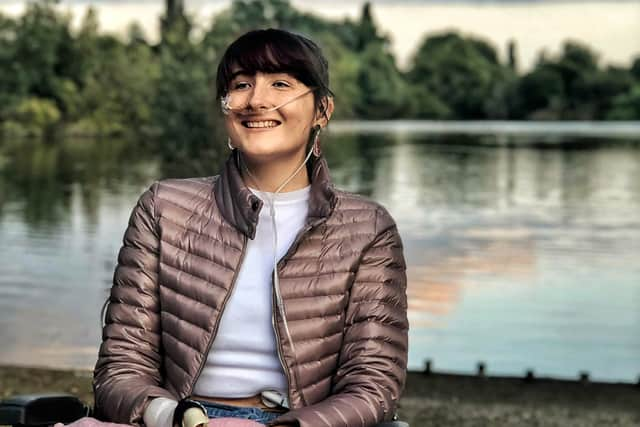
She added: “I think I have learned the most about becoming a better doctor from the times I have been a patient.
“I experience a lot of trauma every single day and, without exaggerating, I have experienced life and death health situations, so I have seen how it works from the patient’s viewpoint, too.”
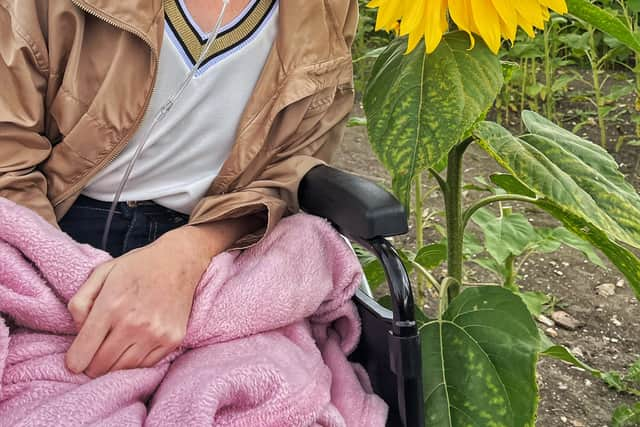
And she has learned to be innovative with the technology available, so she can practice competently despite her disabilities.
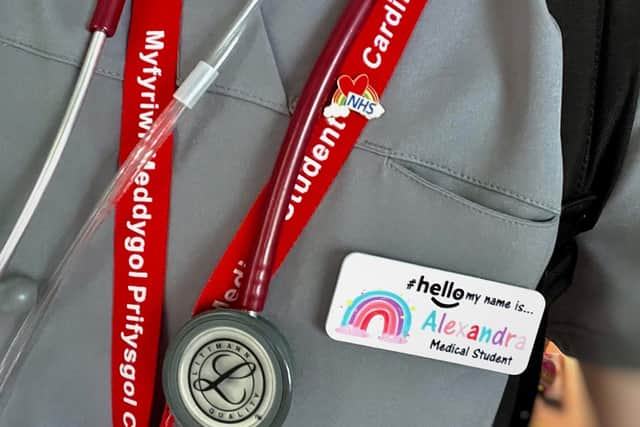
Using a Bluetooth wireless stethoscope which connects to her hearing aid, she said: “I’d love to see how far I can go. I want to be able to give it my best shot. This is my biggest dream, I have to pursue it.
She added: “I use a Bluetooth and wireless stethoscope.
“There are accessible ways for me to do this job. I can do a cannulation, I can take blood, I can catheterise, I can spot rashes.
“I am going back to medical school in this summer, and I can’t wait.”
To follow Alexandra’s story you can find her on Instagram and TokTok at @alexandraelaineadams or on Twitter @alexandra_DBmed.