
Suspected cases of bluetongue discovered on third Northern Ireland farm
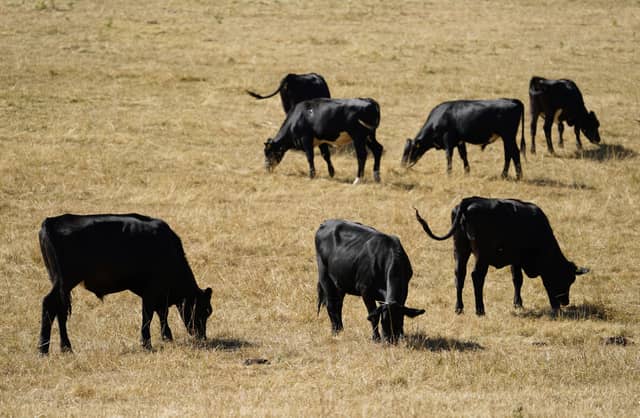

Suspected cases of the bluetongue virus have been identified in cows on a third Co Down farm.
The Department of Agriculture, Environment and Rural Affairs (Daera) said surveillance detected the suspected cases in two cows on a farm near Bangor.
Bluetongue was first confirmed in a herd in a separate farm near tBangor last month, and there has been another suspected case on a farm close to Greyabbey.
Two 20km temporary control zones (TCZs) were introduced around those sites.
Daera said the emergence of the latest suspected cases does not require an extension to the existing TCZ.
Bluetongue is an animal disease that affects livestock including cattle and sheep as well as goats, deer and llamas.
It does not affect humans or food safety and is primarily transmitted through midges.
Agriculture Minister Andrew Muir said: “The emergence of another suspect case is disappointing but not surprising given the scale of the surveillance testing that has taken place following the outbreak near Bangor.
“Bluetongue is an unpredictable virus that can be spread rapidly by midges through and between flocks and herds.
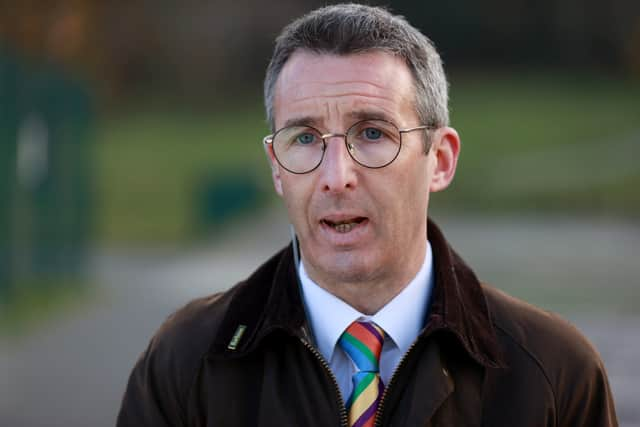
Chief veterinary officer Brian Dooher said: “While we remain hopeful that the winter will limit the ability of midges to further spread the disease, keepers who suspect an outbreak should report any symptoms immediately to their vet, local divisional veterinary office or to the Daera helpline on 0300 200 7840.”
Mr Dooher said the proximity of the new suspected cases and the fact that two cows had been identified as a result of surveillance testing after the original outbreak meant the two TCZs in Co Down will be treated as one.
There has been concern in the agricultural sector since the first bluetongue case was identified in Northern Ireland in November.
It has led to disruption with the Royal Ulster Winter Fair announcing that cattle classes have been cancelled.
Daera said earlier this week that some animal movements are to be permitted to resume.
Farmers outside the TCZ will be able to move livestock to Great Britain with no requirements beyond those normally in place.
The movement of susceptible livestock on or off farms in the TCZ is still prohibited while moves direct to slaughter remain permitted under a general licence.