
Suspected drug deaths last year up 8%, figures show
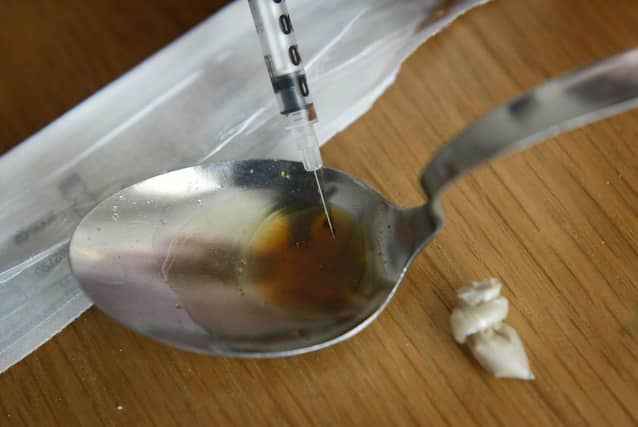

The number of suspected drug deaths in Scotland rose by 8% last year, new figures show.
Statistics released by the Scottish Government on Tuesday showed 1,146 people were suspected to have died from drugs, up from 1,065 the previous year.
Suspected drug deaths are logged by Police Scotland based on officer observations at the scene of deaths.
As has usually been the case, the highest number of deaths were recorded in Glasgow, with 243, followed by 127 in Ayrshire and 116 in Lanarkshire.
Three quarters of those logged were men, while 66% were aged between 35 and 54 years old.
In 2021, then first minister Nicola Sturgeon announced a £250 million “national mission” to tackle Scotland’s drug deaths crisis, which was due to last this year.
On the same day as the suspected drug death figures were released, Public Health Scotland published a survey of the opinions of staff working in the recovery sector, with some worried about what the future holds.
“With expected funding cuts coming and the general economic situation throughout the country the future of our services seems precarious,” one said.
With another adding: “(The) end of the Mission and (the) uncertainty of ongoing funding is causing significant anxiety in the sector. More lives will be lost if the funding does not continue.
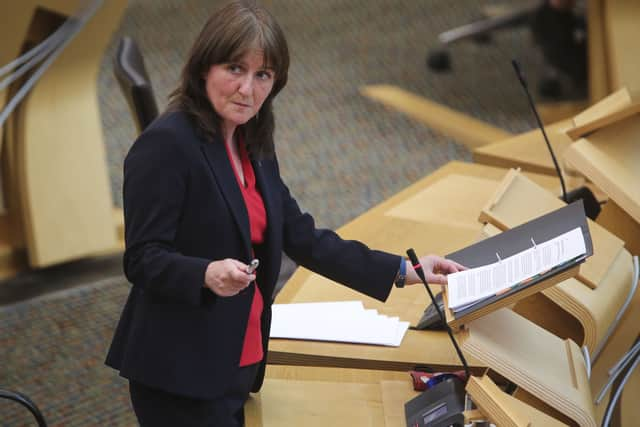
“An increasingly toxic supply has seen Public Health Scotland using the drugs early warning system – Rapid Action Drug Alerts and Response (Radar) – to highlight new threats.
“We are working hard to respond to the threat from xylazine and similar sedatives, ‘street benzos’, and highly dangerous synthetic opioids like nitazenes that increase the risk of overdose, hospitalisation and death.
“Due to the high potency of nitazenes, repeat doses of life-saving naloxone may be needed and I urge people to carry extra kits with them.
“This month, we published a new, long-term, Alcohol and Drugs Strategic Plan, which builds on our five-year National Mission on Drugs which ends in April.
“I am pleased the significant increase in investment made over the course of the national mission is being sustained with record levels of funding for alcohol and drug policy of more than £160 million in total this year – an increase of more than 75% from £91 million in 2020-21.
“We are already widening access to treatment, residential rehabilitation and life-saving naloxone.
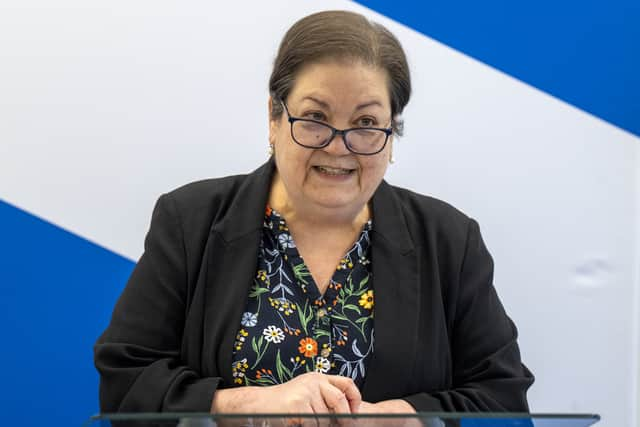
Scottish Labour deputy leader Dame Jackie Baillie said the Government is “failing both victims and communities”, adding: “Dealers are slipping through the cracks, people are dying while waiting for help, and families are being left without hope.
“This SNP Government has abandoned both justice and recovery, and the harsh truth is that we will never get to grips with Scotland’s drugs crisis while they remain in charge.
“Both the SNP and the Scottish Greens should be ashamed that they stood in the way of an attempt to give Scots the right to rehab.
“And to compound the problems, the SNP’s latest budget represents a real-terms cut of about £1.3 million towards alcohol and drug policy. It is a wrong-headed decision and one which only risks worsening this dire crisis.
“If the SNP refuse to act, Scottish Labour will. Our country needs a change in direction and only Anas Sarwar can deliver it.”
Scottish Tory drugs spokeswoman Annie Wells described the figure as “harrowing”, adding: “The number of Scots tragically losing their lives to addiction is higher than the previous year, but the nationalists refuse to admit their policy of state-sponsored drug-taking is adding fuel to the fire.
“We have repeatedly urged SNP ministers to change direction, but they continue to pin all their hopes on The Thistle.
“Enough is enough. We have set out a common-sense plan to tackle this crisis by closing The Thistle, spending the money saved on rehab and recovery places, getting people off methadone and reintroducing our Right to Recovery Bill after the election.”
Any deaths, said Scottish Green co-leader Gillian Mackay, is a “human tragedy”, adding: “These figures must be a major wake-up call.
“They show that Scotland’s drugs crisis is far from over, and that we need urgent action rooted in public health, compassion and prevention.
“People who use drugs are among the most marginalised in our society, and far too often they are pushed further away from help by an outdated legal framework that simply does not work.”
Decriminalising those who use drugs, diverting them “towards care and support rather than punishment must be the priority”, she said.