
Teacher unable to walk after brain bleed driven over 1,000 miles to recover in Hungary after ‘nightmare’ NHS experience
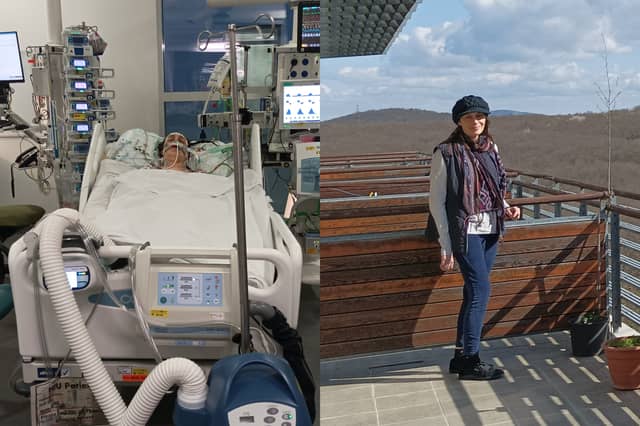

A teacher unable to walk or talk after suddenly collapsing with a brain bleed has been driven more than 1,000 miles to recover in Hungary after a “nightmare” experience with UK healthcare.
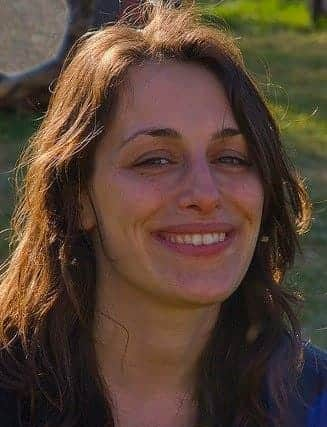
Anna Chithrakala, a 45-year-old English teacher and palliative carer from London, was on a walk in December when she suddenly lost the ability to speak and collapsed.
Anna was rushed to hospital where doctors operated on her brain for six hours due to a major bleed, and she was diagnosed with a stroke which left her unable to walk, talk or move the right side of her body.
During her recovery, Anna was transferred to University Hospital Lewisham where she claims to have faced “bullying nurses” and “noisy wards” which she described as a “nightmare” she physically tried to escape.
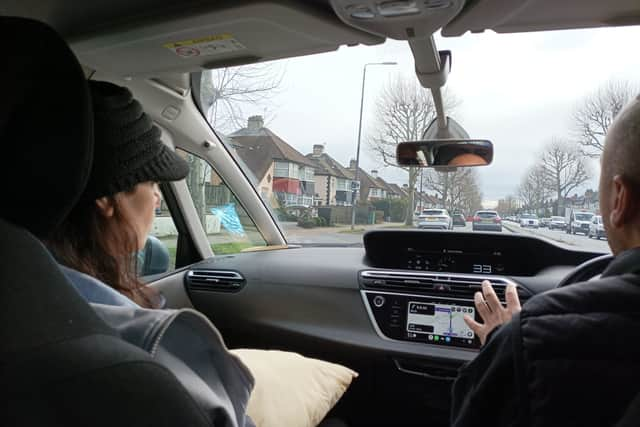
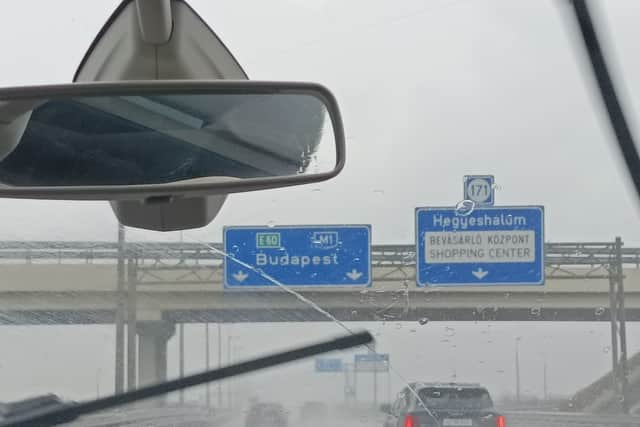
Determined to help her daughter walk and talk again, her mother, Piroska Markus, 69, who is originally from Hungary, found a recovery programme at a Hungarian hospital – prompting Anna’s family to drive her the 1,100-mile (1,770 km) distance from London in February, spending two-and-a-half days on the road.
Anna is now receiving intensive rehabilitation for £500 per week, a fee 10 times less than she was quoted for private treatment in the UK, where she is learning to walk and talk again after previously not being able to blink.
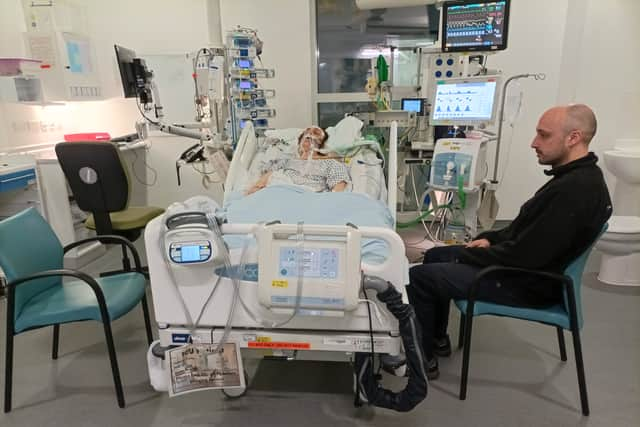
“I love it here,” Anna told PA Real Life, speaking from the hospital in Hungary with the help of her mum and 40-year-old brother Senthil Seveelavanan.
“This hospital makes a difference to my recovery as everyone is optimistic and everything is about being active.
“In Lewisham, everything was pessimistic, nurses were bullying patients and the wards were very noisy with people mostly remaining in bed.
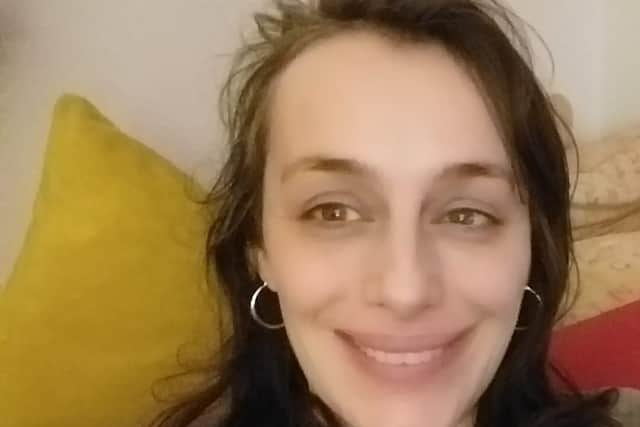
Before her stroke, Anna was freelancing as an English teacher and a live-in palliative carer while studying to be a complementary medicine practitioner.
On December 21 2024, she was on a walk with her care patient and a friend when she suddenly lost the ability to speak, before collapsing, with no prior symptoms.
Her family said the ambulance took 35 minutes to arrive and was then delayed in setting off to the hospital due to difficulties administering her.
“From her collapse, it took five-and-a-half hours to get her into surgery at the right hospital,” Senthil said.
“This was partly due to ambulance staff having to register her before rushing her to the hospital.
Anna had two surgeries on her brain and was placed in an induced coma.
“She was between life and death for several weeks,” her mother Piroska said.
Six weeks later, Anna was moved to University Hospital Lewisham’s stroke ward to be closer to her family – including her younger brother, Ruben Seveelaventhen, 38, from London.

Anna added: “On my first night in Lewisham, a nurse said to me ‘what is a stroke?’ in a mocking way and I wasn’t able to speak to stand up for myself.”
In mid-February, doctors recommended for Anna to be discharged from hospital.
However as an NHS outpatient, she would only be entitled to two-and-a-half hours of rehabilitation per week for up to one month after leaving the ward.

The programme is free for Hungarian citizens but costs Anna £500 per week as an overseas patient.
On February 25, they drove two-and-a-half days to Hungary where Anna is now enrolled in the programme.
There, she has weekly access to physiotherapy, speech and language therapy, water therapy, music therapy, occupational therapy, including cooking skills, and robotics therapy to stimulate her right arm and leg.
Piroska said: “I knew that rehabilitation is a strong part of the culture here and the philosophy of rehab is different.
“The machinery is all around so patients can use it whenever they like.
“Anna shares a room with only one other person and they have their own balcony overlooking a forest and a bathroom adapted to their needs.”
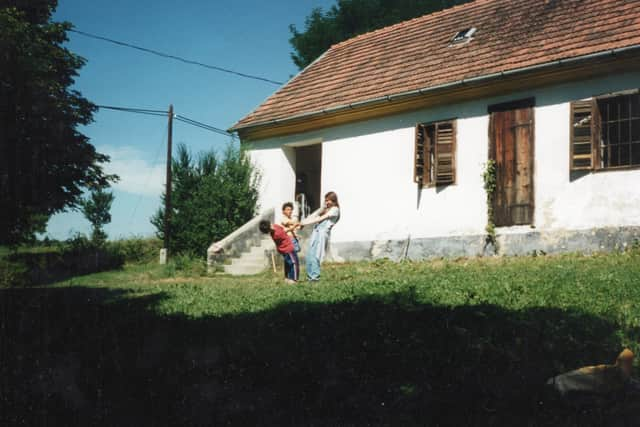
She is also regaining her speech, speaking in broken sentences, and slowly recovering her cognitive abilities.
Anna and her family are now raising awareness of the lack of rehabilitation offered by the NHS and have launched a GoFundMe to help raise money to help her journey towards recovery.
All funds will go towards Anna’s rehabilitation and any equipment she may need.
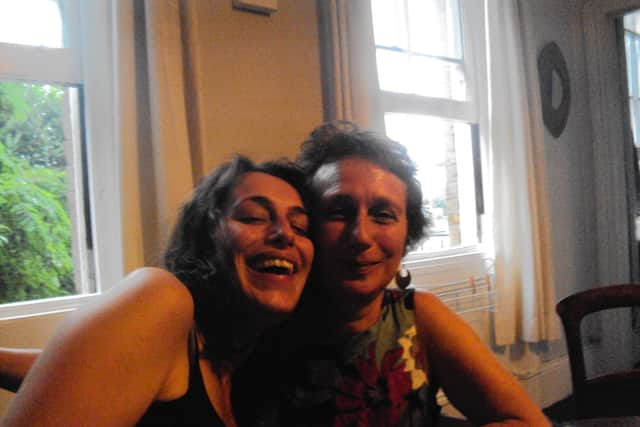
“It is a false economy cutting corners on rehab.
“These people could work or study but the lack of facilities takes it away from them.
“Anna has gone from not being able to blink to sometimes talking in complete sentences and she is getting better all the time.

A Lewisham and Greenwich NHS Trust spokesperson said: “We are very sorry to hear about Ms Chithrakala’s experience with us and would encourage her and her family to contact us directly so that we can open a formal investigation into their concerns.
“We wish Ms Chithrakala well with her continued recovery and hope that she is able to return home soon.”
To find out more, visit Anna’s fundraiser here: gofundme.com/f/anna-neuro-rehabilitation-fund