
The dos and don’ts of looking after your garden in a heatwave


So, summer’s here and many gardeners will no doubt be reaching for the watering can, checking the levels of their water butt and wondering if a hosepipe ban is going to spread to their area.
There’s already a ban across Cornwall and parts of Devon, so it’s important to know the best ways to garden to save water, and which plants may be susceptible.
Experts offer the following dos and don’ts of heatwave gardening.
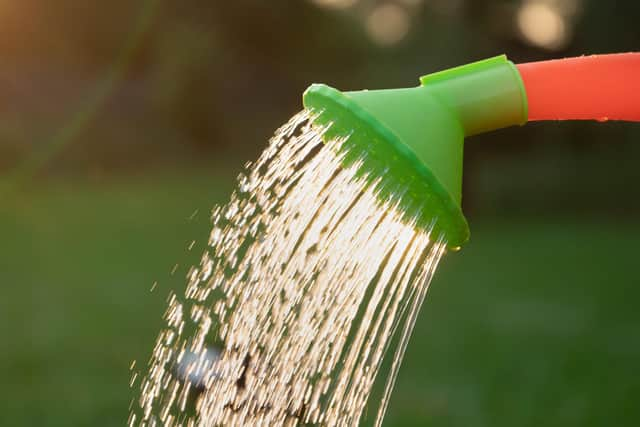
Rose specialist Philip Harkness, of award-winning Harkness Roses, says watering roses in the early morning, especially if they are in pots, is better, as the plants get the water they need during the day. “If you water in the evening, there’s more humidity overnight, and that is quite an encouragement for fungi such as blackspot and rust to grow.”
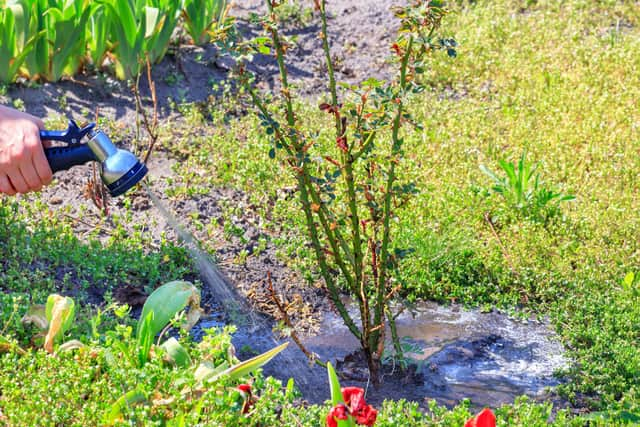
DON’T water plants little and often. This will only encourage roots to come to the surface and then be dried out by the sun, advises Kate Turner, Gardening expert for Miracle-Gro.
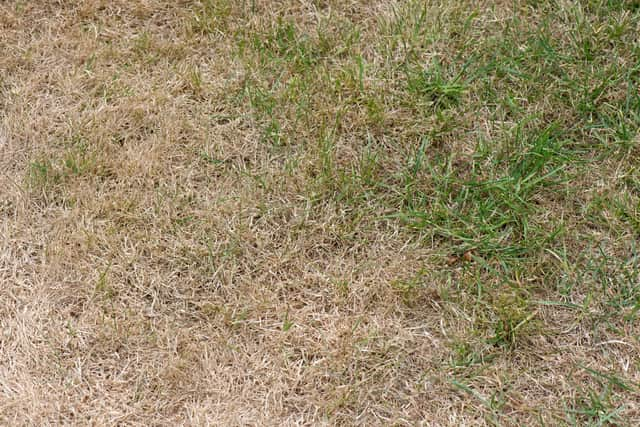
DON’T cut your grass often. Grass won’t grow as much in the heat, so it shouldn’t need to be cut so much. If you do have to mow your lawn, use a higher setting, so you do not damage the plant and its roots, say Kingett and Briggs.
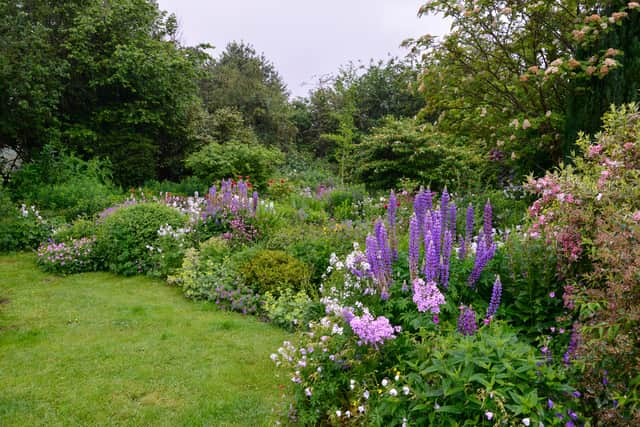
DON’T plant in a heatwave. Now is not the time to plant anything other than small plants in containers. The soil will be hard and the roots won’t reach down into the soil, so they will need constant watering and will be stressed by the heat. Wait until the autumn when the soil is still warm, but when there will be a regular supply of rain, Turner suggests.
DON’T water irregularly. “Irregular watering can lead to bitter flavours in fruit and vegetables, and with tomatoes, a condition known as blossom end rot – where the bottom of the tomato turns black.” says Turner.
DO protect your plants from the sun in a heatwave. Put them in the shade if the pots are moveable, and in the greenhouse, protect vulnerable plants like seedlings, by either using a lime wash over your greenhouse glass to reflect the heat and light, or by draping a cotton sheet over the windows, Kingett and Briggs suggest. It can also help lettuces and other veg from bolting.
“Ensure you let your plants breathe by opening up your greenhouse and relieving them from the extreme temperatures,” Turner adds.
DO water generously and less frequently. This will encourage roots to stay down in the soil, says Turner.
DO keep soil or compost evenly moist. Soaking dry soil can result in some crops – such as tomatoes – splitting and becoming unusable, she suggests.

DO mulch. If you have certain trees or plants with soil you wish to protect, such as fruit trees or fruit bushes, you can weed and water the soil around them and then mulch with a peat-free compost to keep the ground damp and cool. This helps protect the micro-organisms and mycelial network from being damaged, Kingett and Briggs advise.
DO continue to weed. Weeds will be competing with your plants for water and nutrients, so do continue to get rid of them. If small, hoe the tops off the soil and leave the roots to be baked in the sun, says Turner.