
The dos and don’ts of taking an ice bath – for anyone tempted to give the TikTok trend a try
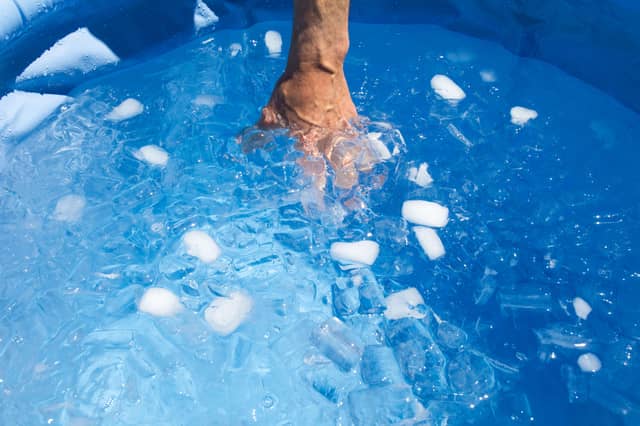

Ice baths are all the rage on TikTok, with many people hopping – or more accurately edging themselves – into a tub of cold water chilled with ice, or just taking a very cold shower.
But before ice bath amateurs take the plunge, it is important to be aware that submerging yourself into any body of cold water can come with notable risks. Cold water dips might be a big trend right now – but they can pose dangers for those who aren’t aware of cold water shock and don’t follow safety advice, or who have pre-existing health conditions.
What are the benefits of ice baths thought to be?
On a physical level, ice baths and exposure to extreme cold therapy are said to help “ease sore and aching inflamed muscles, tendons and joints,” explains Helena Eflerova, an aquatic bodywork therapist and founder of HE AQUATICS. “Ice baths also help the central nervous system by assisting in sleep and relaxation, and help to reduce tiredness.”
They can have other, perhaps unexpected, beauty benefits too, adds Eflerova. “Ice baths can also help [with] your overall skin tightening, pores and cuticles, prevent dirt from going in, protect natural skin oils, make your hair look stronger and shinier,” she says.
Many fans of cold water and ice baths also swear by the mental health boosting benefits, as even a short burst of immersion can alter brain chemistry. But, what should you think about before giving it a go?
The DOs and DON’TS of ice baths
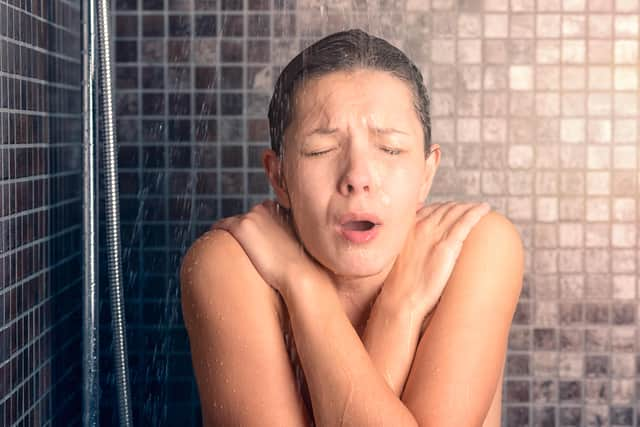
DO be mindful of your breathing. As mentioned, learning to control your breath is a big part of being in cold water. “How we breathe is often a very accurate indicator of how we are in our mind. So if we’re breathing fast and rapidly, then that means we’re feeling quite frantic in our heads. If our breath is nice and slow and smooth and deep, we are maintaining an element of homeostasis in our body, which keeps us calm,” says Gough.
DON’T try going into the cold water alone. This is an important safety point. Gough says: “Make sure you have somebody there, or find a coach or practitioner,” who can give guidance and help if needed.
DO take your experience into account when deciding what temperature to set your ice bath. For those who have never been exposed to any sort of cold water, Gough says she would put the bath at around 10 degrees Celsius. “If somebody has done the cold showers, then I would probably start them at 6, or a bit lower. And then for the pros… I would get the tank as cold as possible.” Gough says one couple successfully sat in an ice bath which was set at two degrees (but this really isn’t advised for beginners).
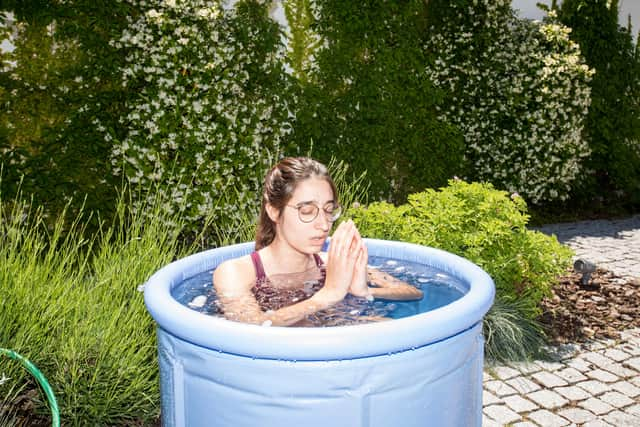
DO know your limits and don’t stay in too long. “You’ll get those mental health benefits in the first two to three minutes, so there’s no need to stay in for a long time,” says Dr Rhianna McClymont, lead GP at Livi. Even people with long-established cold water routines might just stay in for a few minutes, and for ice baths, Healthline warns to stay submerged for only 10 to 15 minutes maximum.
Everyone needs to be wary of the effects of cold shock too, and ignoring warning signs and safety guidance can be dangerous. Some of these dangers, says Dr McClymont, include “cardiac arrest or stroke, especially for anyone suffering from pre-existing cardiovascular disease or high blood pressure”.
DO warm up properly though. Leaping into a hot bath might be out – but you do still need to prioritise getting warm again, so dry off and wrap up pronto. McClymont says your body will continue to cool down for about half an hour after being in cold water, and advises: “Layer up with warm clothes, and have a hot drink and snack before you carry on with your day.”
Remember to check with your doctor before trying ice baths to make sure it is safe for you.