
The history of the skirt throughout the decades
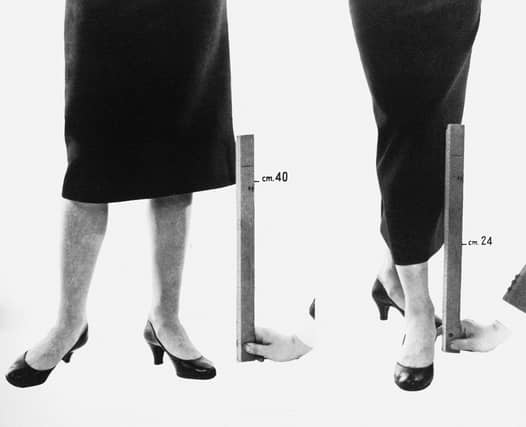

When Dame Mary Quant’s miniskirt first cropped up on the pavements of Chelsea in the mid-1960s, it was as scandalous as it was stylish.
High-rise hemlines weren’t just a risqué fashion choice, they were a symbol of youth and freedom, ushering in a whole new era where politics, gender and social norms were totally re-examined.
So, to mark 60 years since the mini made its mark on Britain, here’s a look back at the skirt’s sartorial story throughout the decades…
1910s
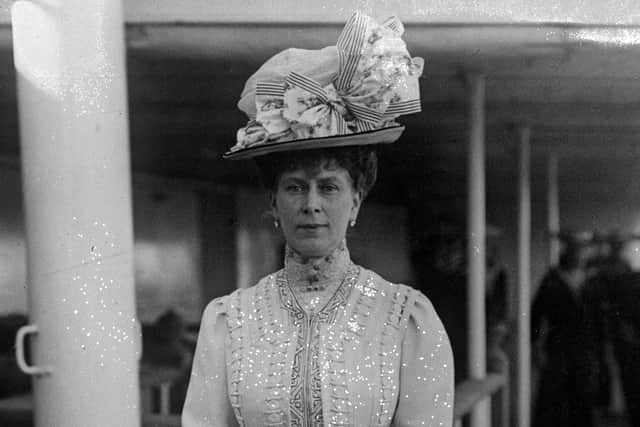
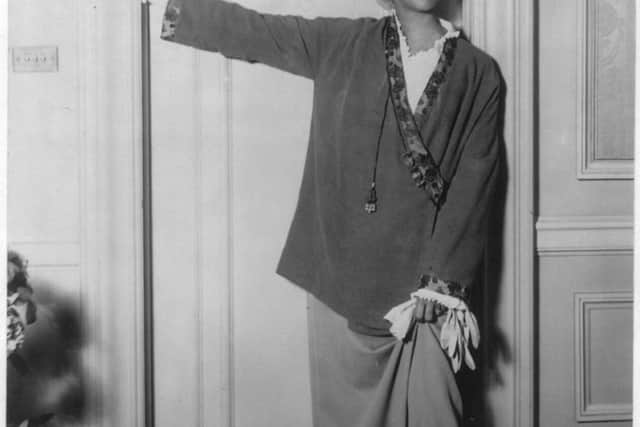
After 1915, ankle-length skirts were generally regarded as eveningwear, and for the next 50 years, what was regarded a ‘fashionable length’ would oscillate and even gave way to an economic theory called the ‘hemline index’.
1920s
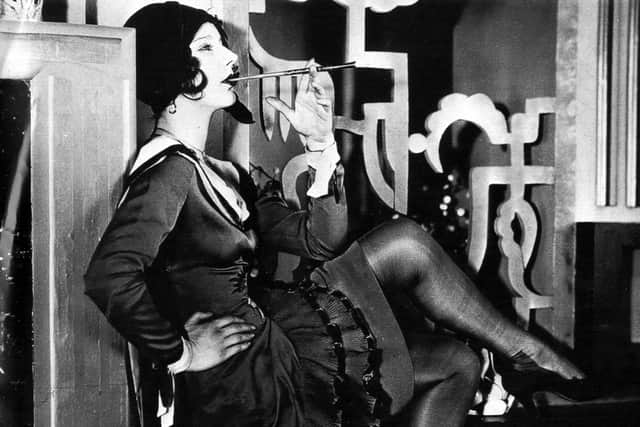
It was in 1929 that the economist George Taylor published ‘Significant post-war changes in the full-fashioned hosiery industry’ where rising hemlines were seen as instrumental in fuelling the booming hosiery market of the 1920s.
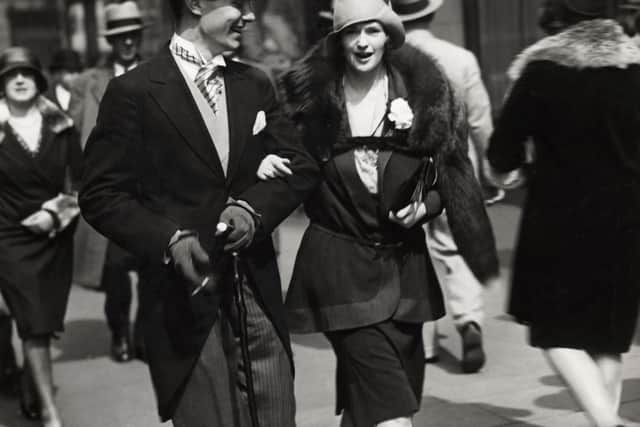
Throughout the Twenties, post-war prosperity gave rise to freer silhouettes like drop waists, and thus knee-skimming skirts became in vogue.
1930s and 1940s
At the end of the roaring Twenties however, a long period of recession known as the Great Depression hit the U.S and seeped into the rest of the western world.
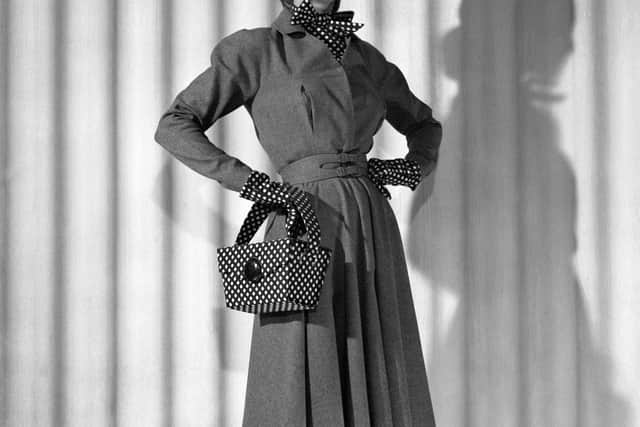
This wasn’t universal however as, in 1939, the beginning of the Second World War meant some skirts did become shorter, reflecting the need for less fabric and the increasing number of women entering the workforce, where they needed ease of movement.
1950s
As the Second World War drew to a close, the ‘Golden Age of Capitalism’ saw an unusual boom in wealth, employment and consumerism in Europe and north America.
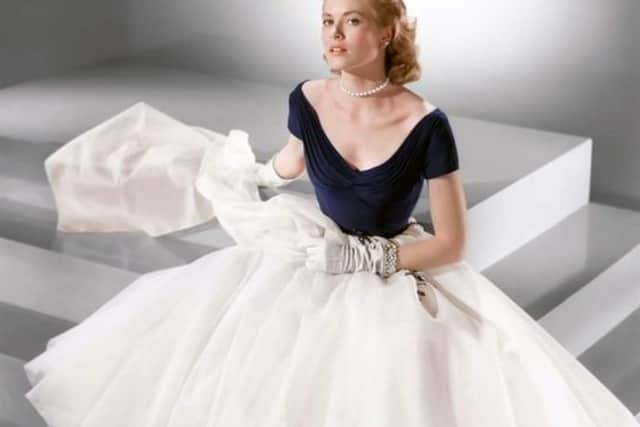
Instead of hemlines rising, they widened, allowing for fuller skirts with more fabric to be used.
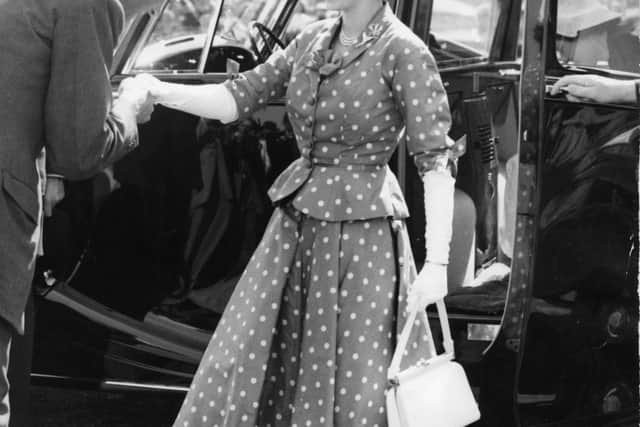
1960s
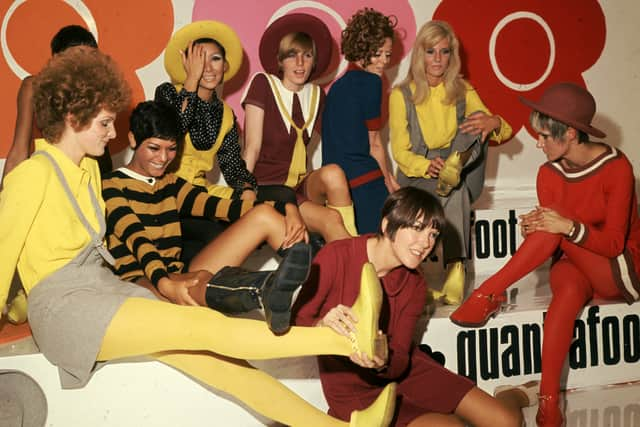
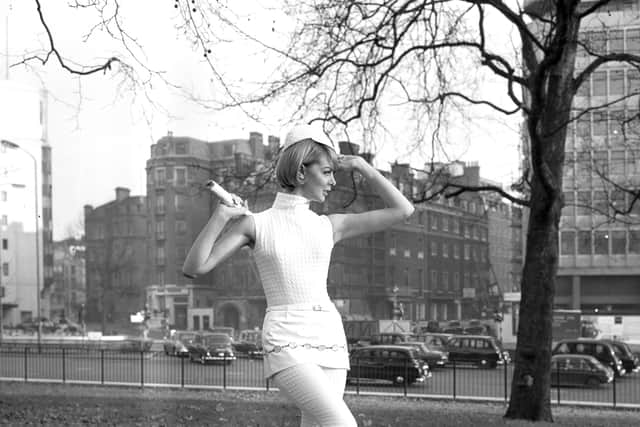
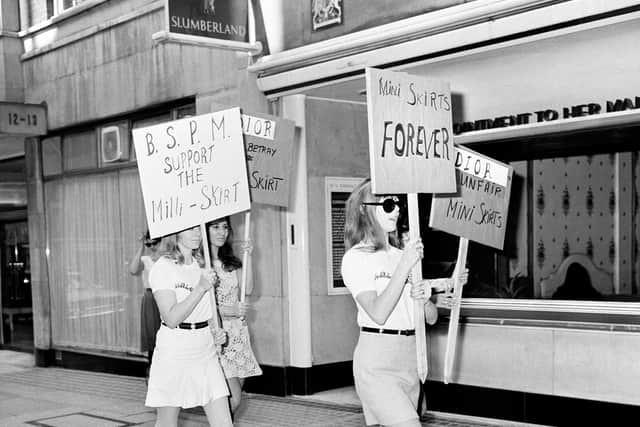
This shocking trend also aligned with the hemline theory, as Britain’s GDP steadily grew, living standards rose and unemployment dropped throughout the decade.
1970s
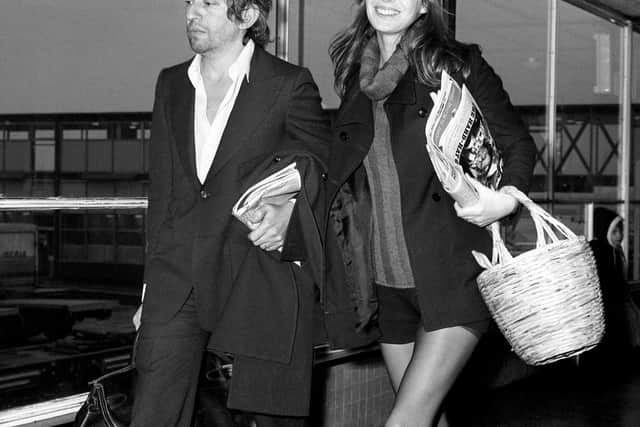
Tory Prime Minister Edward Heath oversaw an energy crisis, a financial crash and the country’s second miners’ strike in two years. And while Labour’s Harold Wilson got the country back to work, it came at the price of inflation at almost 30% and a bailout from the International Monetary Fund.
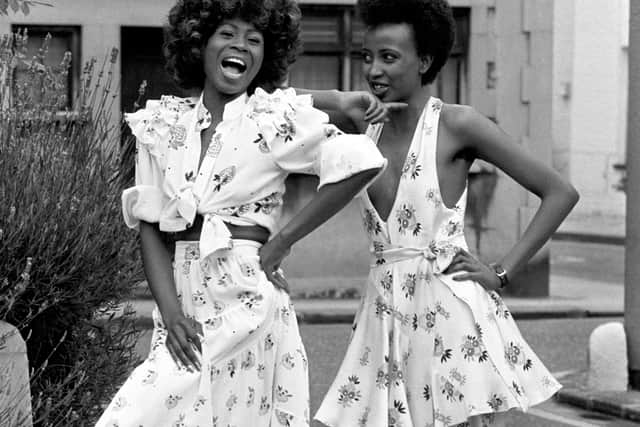
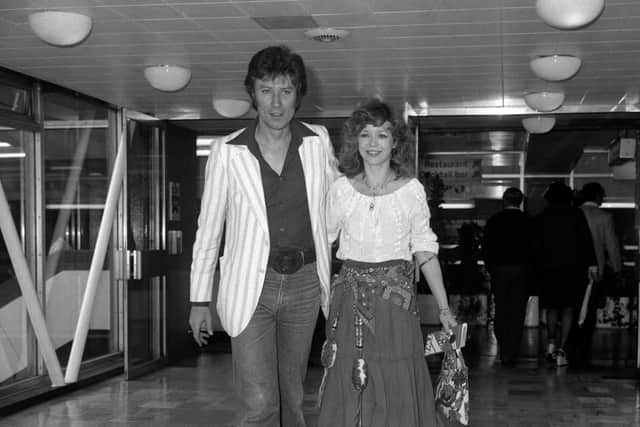
The ‘DIY’ aesthetic of patchwork and block-print pieces echoed the growing distrust the public had for consumerism and big business, as vintage fashion became a cost-conscious choice for many.
1980s
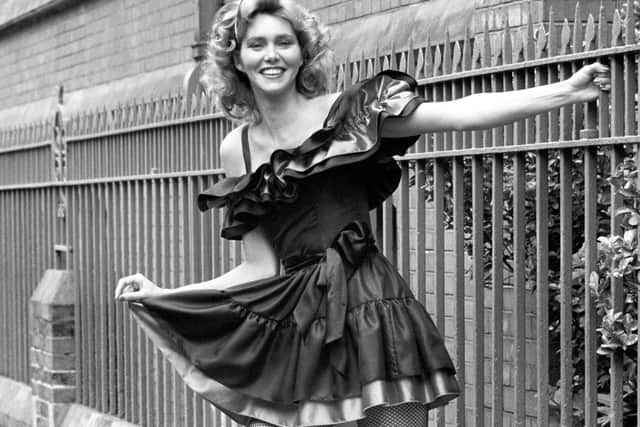
The economic despair of the late 1970s however helped fuel the punk movement. Designers like Vivienne Westwood and Malcolm McLaren redefined the skirt entirely – shredding it, slashing it, pairing it with safety pins and anarchic slogans.
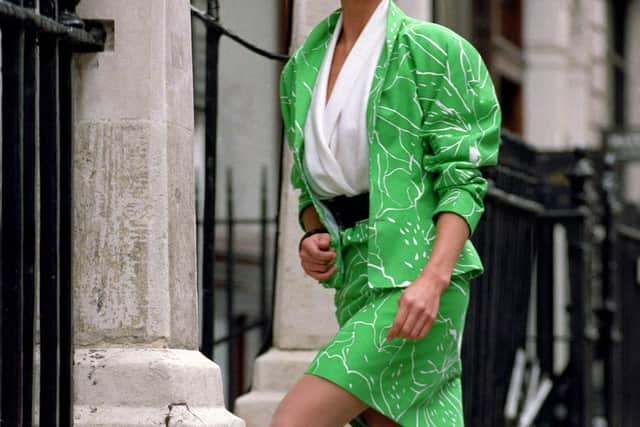
The short skirt – whether slashed or tailored – became a vivid statement of political and social defiance.
1990s
The 1990s saw minimalist slip skirts and relaxed, ankle-skimming lengths return thanks to the grunge movement.
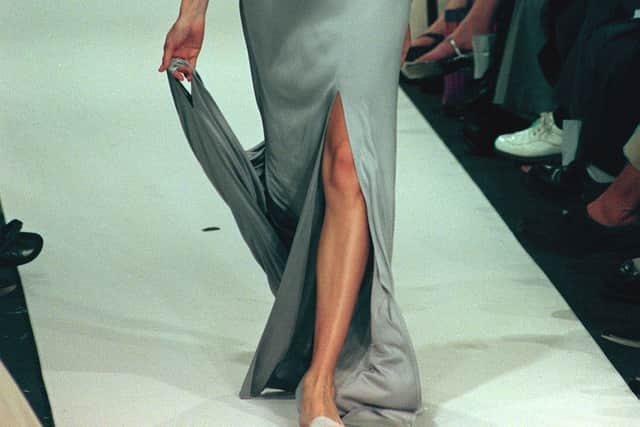
The conservative silhouette arguably reflected the corporate sobriety in a time of economic restraint and recovery.
It was less about the skirt itself and more about how it was styled.
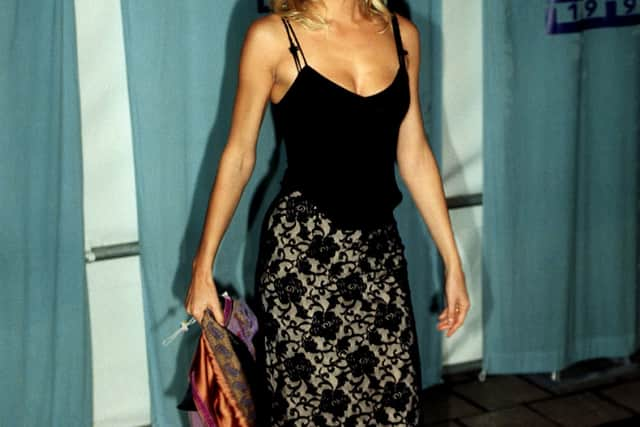
By the mid-1990s, with Britain under New Labour, Cool Britannia in full swing and Tony Blair’s optimistic economic messaging dominating, skirt lengths started to rise once again.
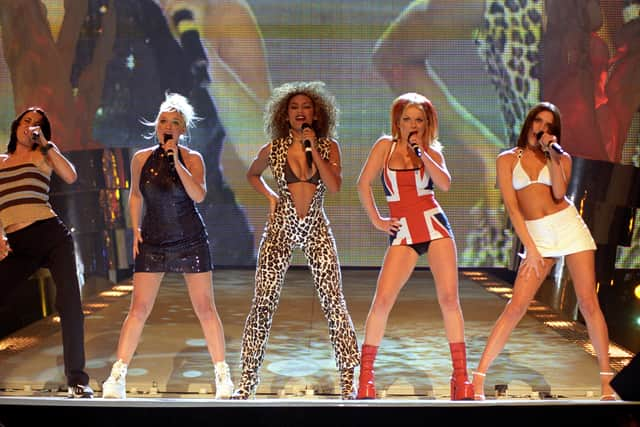
It was playful and consumer-driven, coinciding with rising disposable income, the explosion of online high-street fashion – known as the ‘dotcom bubble’ – and a return to fast-paced markets.
2000s
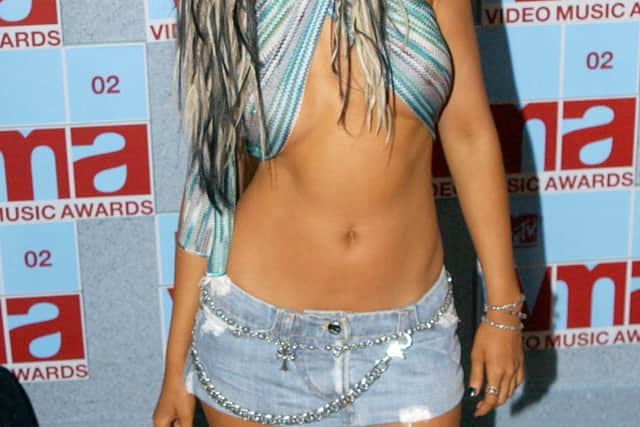
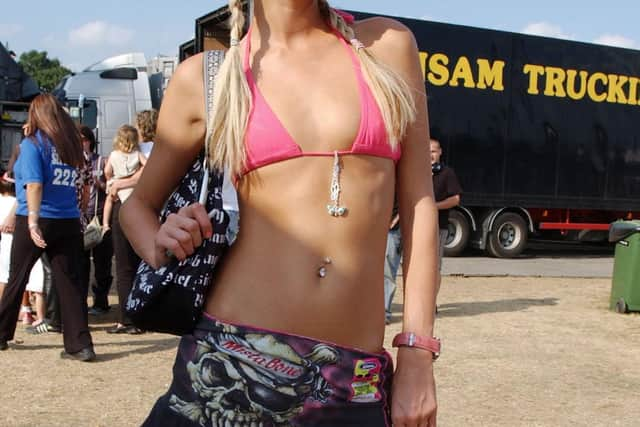
Retailers like Topshop, New Look and Miss Selfridge flourished, collaborating with ‘it’ girl names like Moss and Lily Allen.
However, when the global financial crisis hit Britain hard in 2008, fashion sobered up. Out went the frills and sequins and in came sleek and subdued silhouettes.
2010s
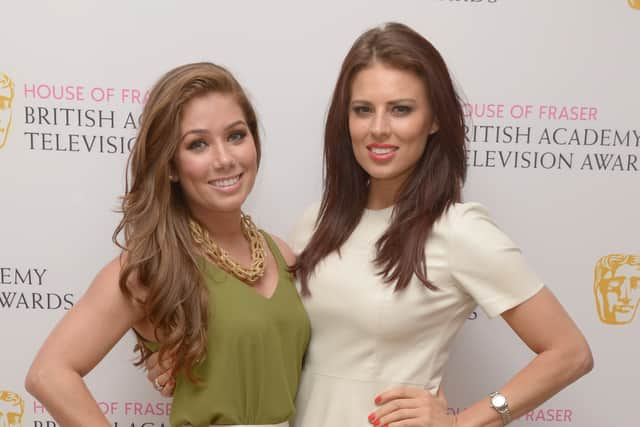
The shift in spending habits meant people were investing in more classic, durable pieces. This was evident at the end of the decade, as ‘quiet luxury’ and ‘cottage-core’ became some of the biggest trends, seeing a rise in milkmaid style and streamlined midi skirts.
While many economists at the end of the 20th century were sceptical about the hemline index, in 2010, two academics at the Erasmus School of Economics (Marjolein van Baardwijk and Philip Hans Franses) examined data of fashion magazines against measures of GDP from 1921 to 2009.
Their study argued that the hemline lengths were indeed an accurate reflector of economic fluctuation.
However, they found these changing trends in skirt length typically lag three years behind market shifts, rather than being an immediate effect.
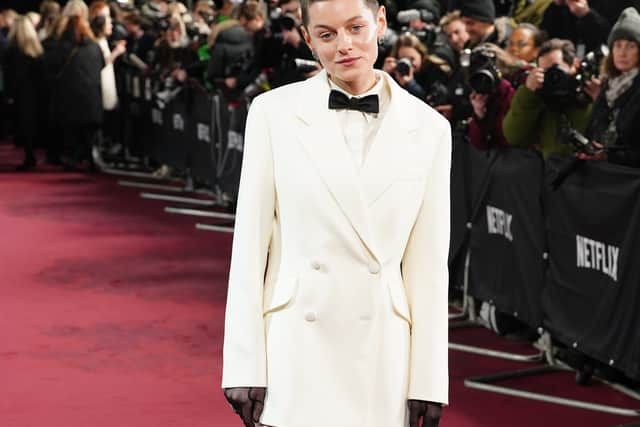
Because of this, some are touting the asymmetric hemline to be a staple style of the decade, while others believe the rise in sheer and lace maxis is emblematic of our increasingly obfuscated society.
As we move through the 2020s, it’s clear that the skirt is no longer simply rising or falling with GDP, but splintering and mirroring a world of fragmented economies, aesthetics and identities.
The skirt seems to have become a symbol of who we are – and who we’re choosing to be.