
Tourists urged to take the ‘slow road’ when exploring historic Scottish sites
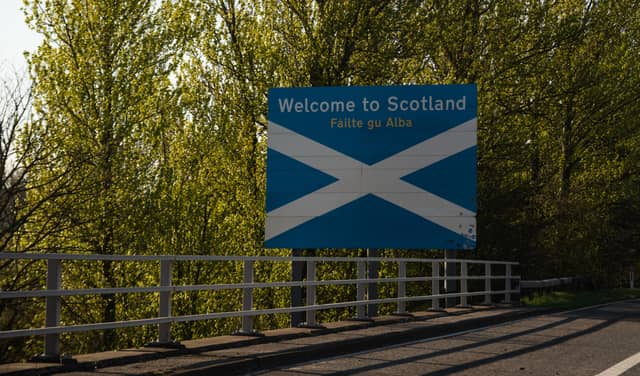

Scotland’s public body for the country’s historic environment has urged visitors to take the “slow road” when exploring the nation in a bid to encourage longer stays and responsible tourism.
Historic Environment Scotland (HES) has launched three maps to help visitors who want to see Scotland’s well-known and lesser-known historic sites.
The three maps each take around four days to complete, and were launched as part of a campaign to ensure tourists spend more time in the areas they explore.
The lowlands map includes Dumfries, Biggar, Peebles, Melrose, Galashiels and Tweedbank.
Its coastal map covers St Andrews, Arbroath, Fraserburgh, Banff, Huntly and Elgin, and HES’ islands map covers the Isles of Lewis and Harris.
Each map includes areas traversable by public transport and bicycle.
Angela Giancola, responsible tourism co-ordinator at HES, said: “Scotland’s historic places belong to all of us, and they face real pressures from the impact of a changing climate, increased visitor footfall, and the passage of time.
“Responsible tourism is about recognising the impact we can have on our shared heritage and choosing to make that impact a positive one.
“By taking the slow road – travelling thoughtfully and spending more time in local communities – visitors can help protect the heritage, and support the people and places, that make Scotland so special.”