
Woman diagnosed with ADHD at 37 ‘shines differently’, after giving up booze and losing 18kg living happier and healthier
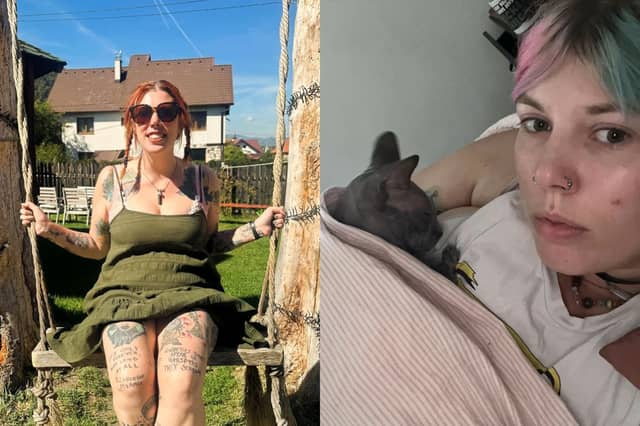

A woman who was diagnosed with attention deficit hyperactivity disorder at 37 says she now “shines differently” with a “genuine glow from being so content”, having shed her “masking personality”, lost 18kg and given up alcohol after she had self-medicated with two bottles of wine every night.
Kiri Babbage, who lives in Beckenham, south London with her husband Dale, says she felt “extremely out of place” from early childhood.
She struggled through tumultuous teens and 20s when she ended up in “a lot of dangerous situations”, “act on impulse and be reckless”, and felt “ashamed”, and doctors told her she could have bipolar disorder or borderline personality disorder, never considering the prospect of ADHD.
It was not until January this year that Kiri, now 38, was diagnosed with ADHD, and she felt like her “life had fallen into place”.
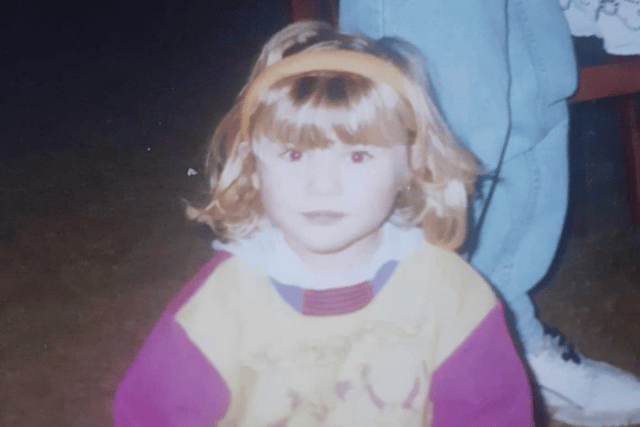
“From very early childhood, I would say I felt extremely out of place. I didn’t get things,” Kiri told PA Real Life.
“I didn’t understand time, tying my laces, or just even making friends.
“All of my school reports say, ‘Daydreamer, not really with it, doing their own choice activities’, that sort of thing.
“Even when I got older, it was like, ‘Rude, disruptive or wasted potential’… It was always like I was trying twice as hard as everyone else, but still not quite doing it.”
As Kiri reached her teens and 20s, she exhibited impulsive, risk-taking behaviour, a common trait of ADHD.
“Literal drug dens, with bad people, people you think are your friends, but they’re not.
“Because that intuition is not there, I didn’t have that inner alarm system, so I would act on impulse and be reckless. I kind of thrived on chaos, because I had so much inner chaos, it kind of matched.
“I felt ashamed of it for years.”
“Before the diagnosis, my brain was always loud,” she added.
When she sought help from doctors, they said she could have bipolar disorder, borderline personality disorder, anxiety, depression and agoraphobia, but she was never properly treated for anything – partly because she did not pursue treatment because the prospect of the disorders scared her.
She struggled with self-worth and people-pleasing, and often got into trouble at school and work as she rebelled against authority, rejected hierarchy and had a strong sense of justice, struggling to control her actions.
Like many other women with ADHD, Kiri began masking – suppressing or hiding ADHD symptoms to appear more “neurotypical” and fit in – at a very young age, which she said is “draining”.

“People would think, ‘Wow, she’s really got it together, she’s amazing’. But you’re doing it so that you stay palatable, and people like you, and then that ended up leading me to not knowing who I was, having a full identity crisis,” she said.
Eventually, Kiri reached a breaking point.
“I had a burnout so hard that I made plans to kill myself. I was done,” she said.
“But my husband found a note that I’d written of reasons to (end my life), so we had a chat, and we called 111, and then I was taken under Bromley mental health care.
“They would do weekly check-ins on me until I got in front of a psychiatrist.”
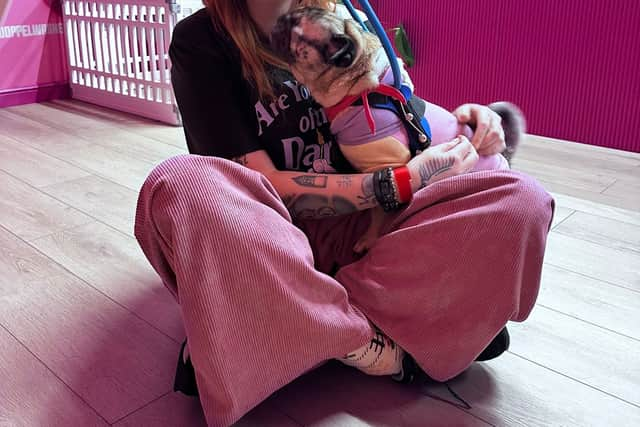
“The psychiatrist said, ‘I think you’ve got ADHD’,” Kiri said.
“She did one of the initial self-tests, and she said, ‘I’m putting you forward for it’. She had ADHD herself, so she saw a lot of traits in me that she saw in herself.
“I went home and researched it, and it was genuinely like my life had fallen into place. Every single thing made sense. Everything.”
Kiri soon began treatment for ADHD. This can take several forms, depending on the individual, and Kiri has found a combination of medication and therapy works best.
She takes Elvanse, a stimulant medication that works to improve attention and concentration and reduce impulsive behaviour by increasing levels of dopamine and norepinephrine in the brain.
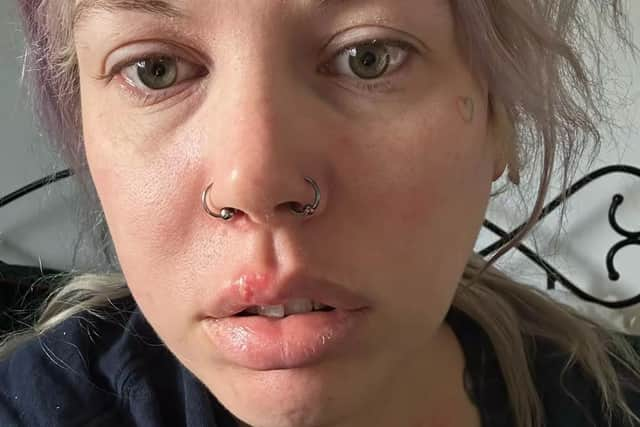
“I just sat there crying, because I was like, ‘This is what your brain is meant to sound like?’
“It all quietened down, and it was the most amazing feeling.”
She also has ADHD-tailored therapy through HealthHero, a digital clinic that provides healthcare support including GP services, mental health support, physiotherapy, weight loss management, paediatrics and ADHD diagnosis and therapy, setting her up with the tools she needs to manage her condition and live a healthier, happier life.
“We work on rejection sensitivity, pauses before I react; we work on reacting instead of absorbing everything, executive dysfunction, negative thoughts, grounding exercises, anxiety tools, building routines,” Kiri explained.
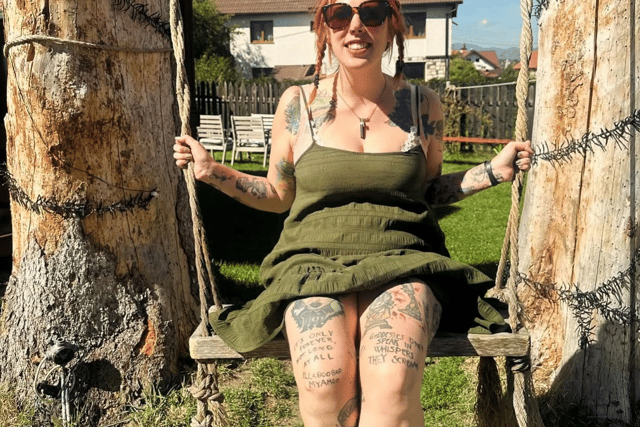
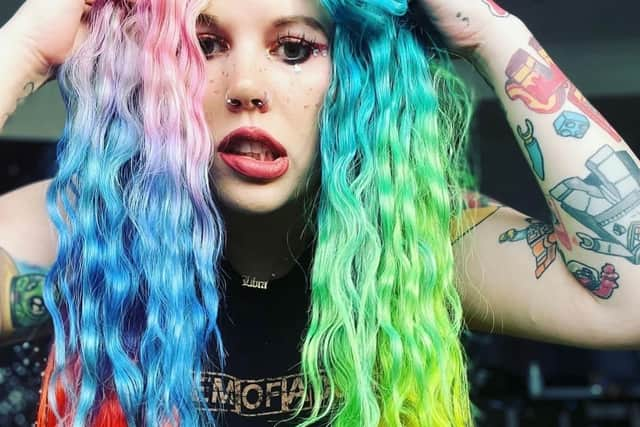
In the 11 months since her diagnosis, Kiri has lost 18kg and has changed her look, stopping dying her hair rainbow coloured and wearing lots of make-up – things she realised weren’t really ‘her’.
“I call her Gloria Glittertits, because she was my masking personality for so many years,” she said of the “old version” of herself.
Kiri has also been sober for eight months, giving up a 20-year habit of self-medicating with alcohol when she would drink two bottles of wine a night.
“Everyone says I shine differently, glow differently,” she said.
“It’s not about looks, it’s not about being attractive or anything like that. It’s a genuine glow from just being so content.

To others who think they might have ADHD, Kiri – who posts about her experience on her TikTok tiktok.com/@kiriadhdunmasked – said: “You deserve to stop blaming yourself.
“You get given the language and support that helps you do that, and you can start seeing the real you.
“So many people mask – I see a lot of people masking, and most people don’t even know they’re doing it, I didn’t know I was doing it until I started unpicking it.
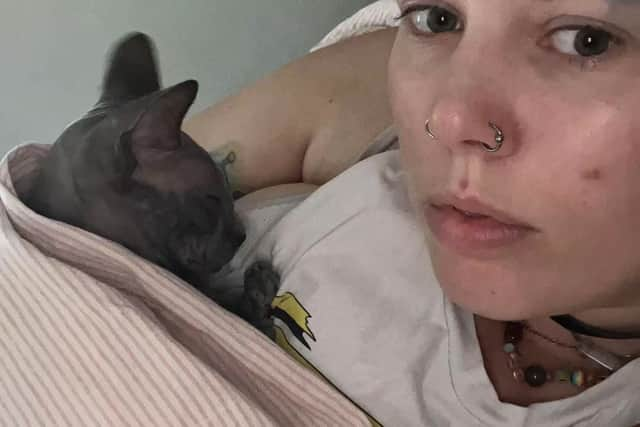
“People shouldn’t have to struggle alone. Unfortunately, we live in a world where burnout is shamed, and even neurodivergence is shamed, and that’s not your personality, that’s your brain.
“I think everyone deserves the right to get support that helps them to feel safe.”