
Woman who lost husband to brain tumour and fell 40ft off cliff before leukaemia diagnosis celebrates decade in remission
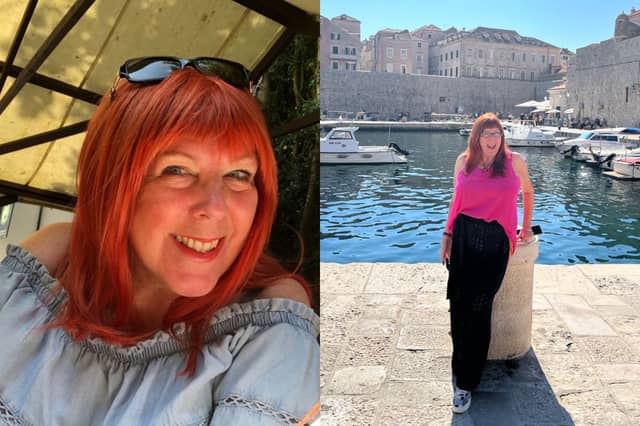

A woman who was diagnosed with terminal cancer after losing her husband to a brain tumour and falling 40 feet off a cliff, and later became homeless while undergoing treatment, has celebrated more than a decade in remission and is aiming to travel and enjoy life until she is reunited with her loved ones – who are “waiting” for her in heaven.
Back in November 2012, aged 52, Michelle Sterling, who lives in Wales, called an ambulance to take her to A&E due to experiencing severe chest pain, but after being sent away with antibiotics for a chest infection, she felt “embarrassed” to have wasted NHS resources.
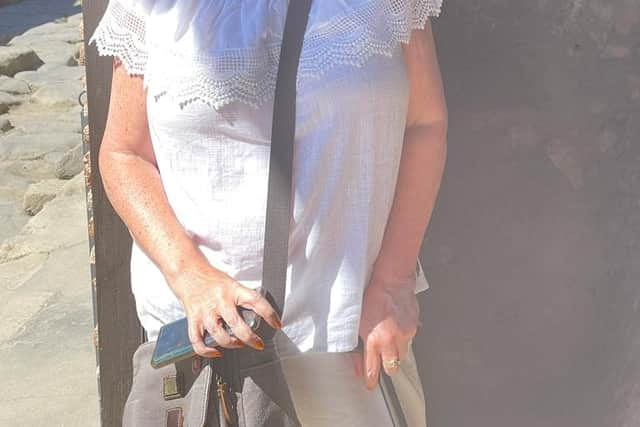
After returning to hospital, Michelle, now 63, was told she had terminal leukaemia – a type of blood cancer – and she would need chemotherapy and a stem cell donor to survive.
Since she had lost her husband Edward to a brain tumour eight years prior and did not have any children, she said she did not care whether she lived or died at this point – but she knew she had to try.
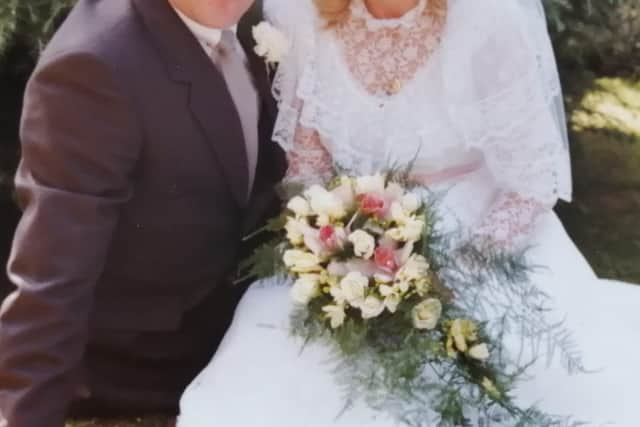
“But for me, I’m not really bothered whether I die; my husband is there, my parents are there, my family is there waiting for me.”
The former sustainability officer and geology graduate said she started treatment that same day and received daily intensive chemotherapy intravenously for the following month, which made her hair fall out within four days and feel as though she was “burning” and “urinating acid”.
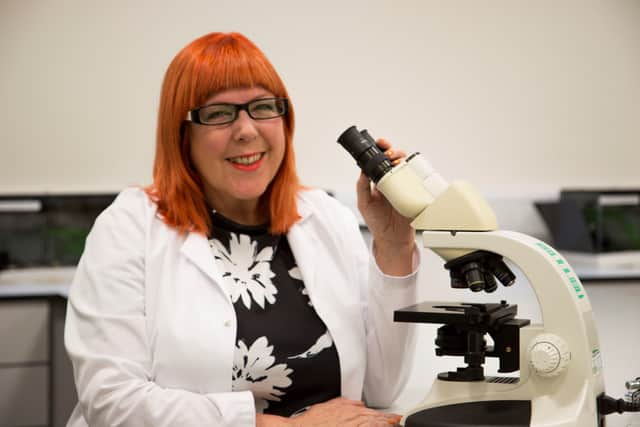
She spent approximately three months in and out of hospital in total, having chemotherapy and platelet and plasma transfusions, and she developed repeated chest infections, became neutropenic – a low white blood cell count – and ended up having emergency surgery on her gall bladder.
However, by the end of her first round of treatment at University Hospital of Wales, she was in remission – and she has now gone from “having terminal cancer to living 10 years”.

“There are days where I think, ‘The NHS were amazing, I’m so lucky to have lived in this country’, because if I’d have lived anywhere else, I probably would be dead,” she said.
“I didn’t choose to live on my own, I didn’t choose to have leukaemia, so I think the way I was brought up, you just have to get on with it.
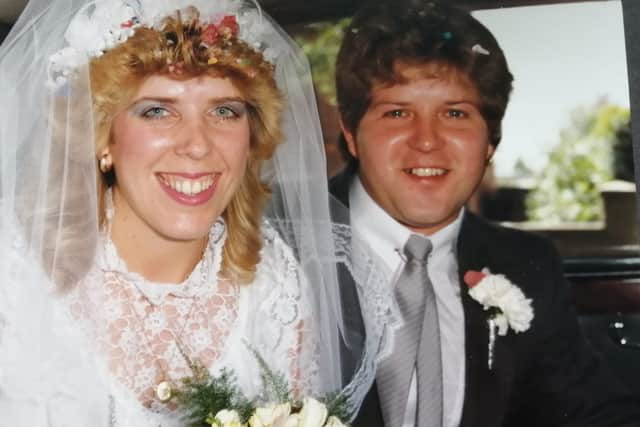
Michelle said her “wonderful” husband Edward was a “nutter” and the “life and soul of the party” – and just before he died, he asked for Firestarter by The Prodigy to be played at his funeral for his “final song”, as he had chosen to be cremated rather than buried.
After he died in 2004, aged 43, following six years of treatment for a brain tumour, Michelle decided to go travelling, visiting places such as Antarctica, China, and Alaska, before enrolling in an undergraduate geology course at the University of South Wales.
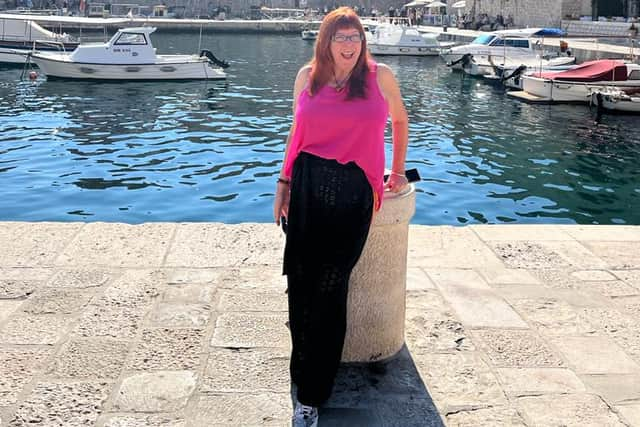
After gaining her composure, she went to stand up but the “cliff gave way” – and amazingly, despite landing on her back after a 40ft-fall, she survived and did not break any bones.
“I was relaxed and I didn’t tense up, I just thought, ‘Ed, I’ll see you soon!’, until I sensed the ground was going to whack me in the back,” she said.
Michelle has “never been one to go to the doctors”, but in 2011, her friends believed she may be having a stroke due to her symptoms, and it was discovered a childhood virus was “attacking” her heart.
One year later, in November 2012, after noticing her urine was “nearly black” and experiencing extreme chest pain, she called an ambulance to take her to A&E, only to be told she had a chest infection.
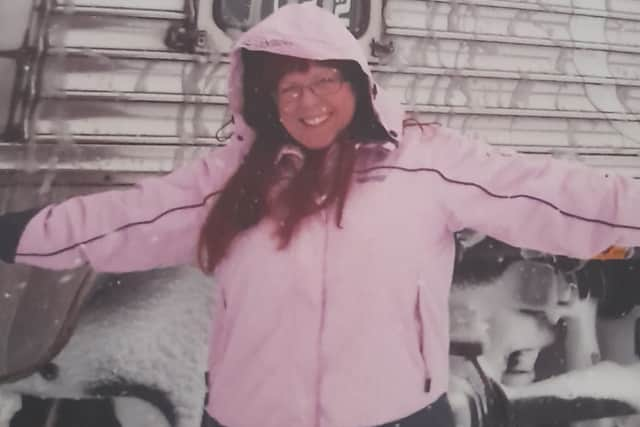
It was during a consultation that day that she received the news she had terminal leukaemia.
“It was a goldfish moment because it wasn’t expected,” she explained.

Michelle said if it was not for the childhood virus the year before, she most likely would have avoided going to hospital and eventually died of leukaemia as she was not displaying common symptoms.
Witnessing her husband’s six-year battle with a cancerous brain tumour, Michelle was hesitant to undergo treatment herself, but that evening she began her daily chemotherapy via a drip, which felt like “acid” and lasted for one month, before transitioning to maintenance chemotherapy.
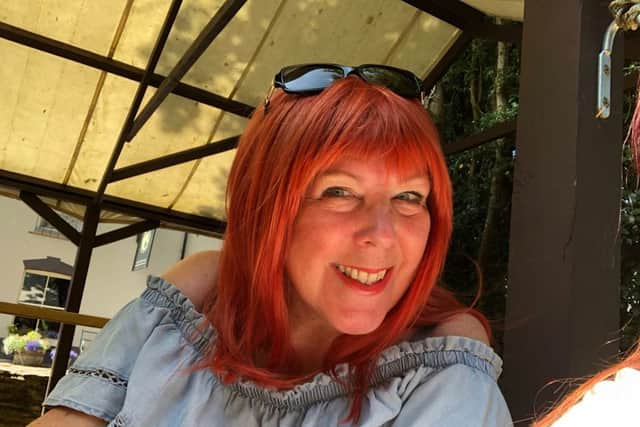
“The woman decided she didn’t want to have cancer in the house, and that was a bit of a blow because I then had to find somewhere else for my dog and my belongings,” she said.
“It was a nightmare, but I didn’t really take on board the enormity of doctors saying my cancer was terminal because I had so much going on, not just surviving leukaemia.”

“We always laugh in my circles, as you always say ‘the good die young’, and so obviously I’m not really a good person because I’m not going to die young,” Michelle said.
“But also, my friends always laugh, and they say, ‘Well, Ed doesn’t want you up there yet, he’s having a bit of peace on his own without you,’ so he helped me survive it.”
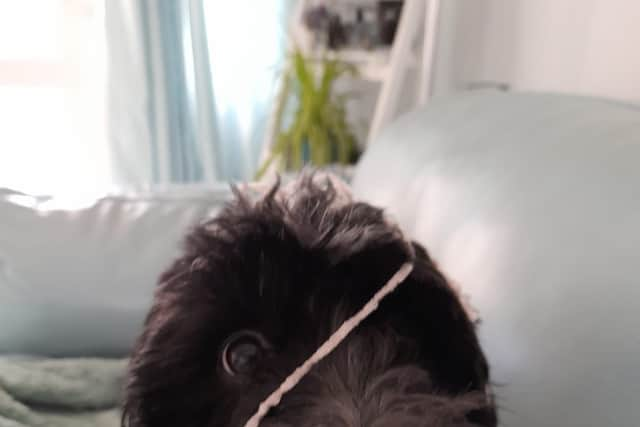
Michelle’s leukaemia is now monitored by having blood tests once a year, and in her spare time, she enjoys travelling, crafting, spending time with friends, and walking her two dogs Mabel and Winnie the Witch.

“I bought a home, I’ve got two lovely dogs, I’ve got wonderful friends, and I feel lucky that I had a wonderful husband – I think it’s how you view the world,” she said.
“I’d urge people to check any concerning symptoms, and for people going through any cancer at the minute, actually, half that treatment is you and who you are as a person, and your zest for life.
“Other people might have found it more difficult, but for me, it was just like another chapter of my amazing book.”
For more information and support, visit Leukaemia Care’s website here: leukaemiacare.org.uk/