
'Literally put a sock in it!'- NCT centre gobsmacked by customers DIY cover-up fail
Search


13 Apr 2026

Please allow ads as they help fund our trusted local news content.
Kindly add us to your ad blocker whitelist.
If you want further access to Ireland's best local journalism, consider contributing and/or subscribing to our free daily Newsletter .
Support our mission and join our community now.
To continue reading this article, you can subscribe for as little as €0.50 per week which will also give you access to all of our premium content and archived articles!
Alternatively, you can pay €0.50 per article, capped at €1 per day.
Thank you for supporting Ireland's best local journalism!


The impact of hay fever extends far beyond a few sneezes during the day, as this common allergy can also take a toll on your sleep.
We spoke to Dr Hugh Coyne, co-founder of Coyne Medical, who explained why hay fever symptoms often transforms a restful evening into a sneezing, congested mess. He has also shared some simple, effective tips to help minimise these irritating impacts.

Why do many people struggle with hay fever symptoms in the evening and at night?
“When people go out during the day, they will be exposed to pollen and other allergens that they’re sensitive to, so when they come home in the evening they might still have pollen on their skin and/or in their nasal passages,” says Coyne. “This might cause them to have a lot of hay fever symptoms in the evenings and when they get into bed.”
Meanwhile, when the air cools in the evenings, it triggers a ‘pollen shower’.
“A pollen shower is when pollen descends from a high level towards the ground when the air cools in the evening,” explains Coyne. “This can sometimes cause quite an intense exposure of pollen for people when they return home from work in the evening.
“So, these hay fever symptoms aren’t being triggered by more pollen in the air, but because the pollen is descending from a higher altitude.”
Coyne highlights that although the hay fever symptoms that people experience at night usually mirror the ones they have in the day, they are often perceived as far more intense, disruptive, and irritating.
“The pollen causes inflammation in the nose which can cause a runny nose and often when pollen touches the eyes it can cause conjunctivitis,” explains Coyne.

“When a runny nose runs down the back of the throat it can cause an itchy and scratchy throat that makes people want to cough to clear their throat, which can be really irritating and really disruptive to sleep.”
He adds that the absence of distractions at night can sometimes make someone with hay fever feel even worse.
“When people are not distracted like they might be in the day, their mind might focus a little bit more on the symptoms that they’re experiencing,” says Coyne. “For example, they might become more aware of their runny nose, the itchiness, the sneezing, the watery eyes and the cough, which can makes it seem even more irritating.”
Hay fever can also impact breathing at night.
“Wheezing is quite common for people who are atopic (have a general sensitivity to aeroallergens) and that can very unpleasant at night,” says Coyne. “Similarly, when people are lying down and are experiencing an annoying cough or blocked nasal passages, that can also make breathing more difficult.”
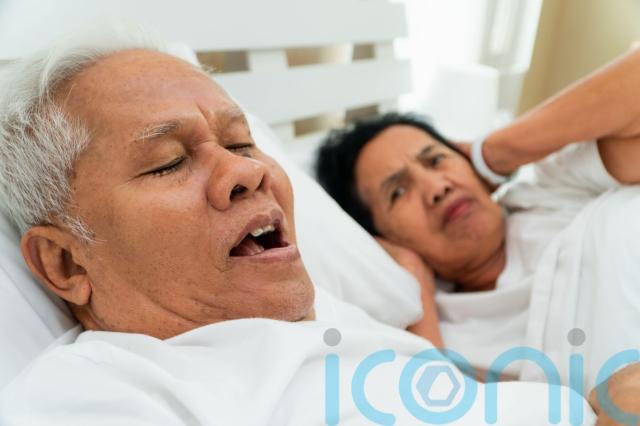
Furthemore, hay fever symptoms can increase the likelihood of snoring.
“When the nasal passages and the lining of the throat are both inflamed, the airways become a little bit smaller and narrower, which increases the likelihood of snoring,” says Coyne.
What consequences can disrupted sleep have on our overall health and wellbeing?
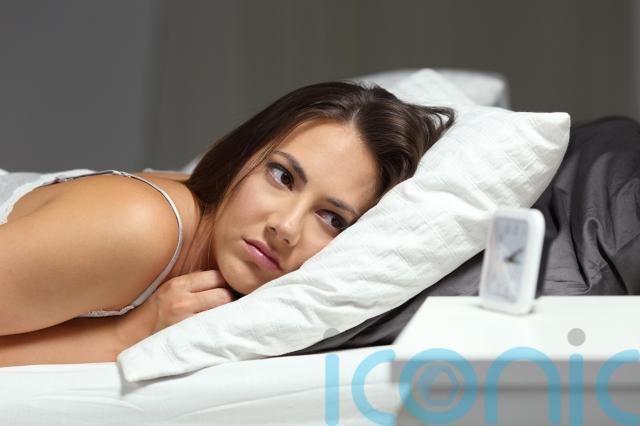
Sleep disruption can have widespread implications on someone’s physical and mental health.
“People’s day-to-day physical and cognitive performance can be impacted if their sleep is shortened or their sleep is disrupted, which can have impacts on their work, relationships and ability to exercise,” says Coyne.
“We also know that frequently disturbed and restless sleep can have long-term health implications. For example, it can increase the risk of cardiovascular disease and cognitive impairment in later life.”
Here are some tips on how to combat some of these effects…
Wash your face

“When you come home after being outside and being exposed to pollen all day, wash your face and consider using a saline nasal rinse to try and wash out the pollen from your nasal passages,” recommends Coyne.
Close your windows
“Keeping the windows closed during the day might help reduce your exposure to pollen,” suggests Coyne.
Try over-the-counter medication

“Taking good quality antihistamines can really help the nasal passages and the airways become less inflamed,” says Coyne. “Steroid nasal sprays are also good at reducing inflammation in the nasal passages and calming down the cells of the nasal passages, so that they produce less mucus to help people breathe much more easily at night.
“You can also get antihistamine drops for your eyes which can reduce some of the streaming and irritation of the eyes.”
Seek professional advice
“If hay fever is disturbing your sleep, contact a healthcare professional,” advises Coyne. “Try the simple interventions first, but if the issues persist, consult a pharmacist, a physician associate or your GP.”

Subscribe or register today to discover more from DonegalLive.ie
Buy the e-paper of the Donegal Democrat, Donegal People's Press, Donegal Post and Inish Times here for instant access to Donegal's premier news titles.
Keep up with the latest news from Donegal with our daily newsletter featuring the most important stories of the day delivered to your inbox every evening at 5pm.

This publication supports the work of the Press Council of Ireland and Office of the Press Ombudsman, and our staff operate within the Code of Practice of the Press Council. You can obtain a copy of the Code, or contact the Council, at www.presscouncil.ie, Lo-call 1800 208 080 or email: info@presscouncil.ie.