CMAT, Roy Keane, Shane Lowry and Kingfishr make guest appearances as Patrick Kielty hosts his third Late Late Toy Show on RTÉ
Search


06 Dec 2025

Please allow ads as they help fund our trusted local news content.
Kindly add us to your ad blocker whitelist.
If you want further access to Ireland's best local journalism, consider contributing and/or subscribing to our free daily Newsletter .
Support our mission and join our community now.
To continue reading this article, you can subscribe for as little as €0.50 per week which will also give you access to all of our premium content and archived articles!
Alternatively, you can pay €0.50 per article, capped at €1 per day.
Thank you for supporting Ireland's best local journalism!


After struggling for decades with depression and undiagnosed ADHD, a man from Wirral went all-in on his dream of running his own business, finding that it’s saved his life in more ways than one.
Paul Nicholls, 48, had spent decades working in the corporate world of global banks, but always found that the 9 to 5 life didn’t work for him. He struggled to focus, felt agitated and restless, things he saw as personal shortcomings until an ADHD diagnosis in 2020 changed his perspective.
After breaking through the other side of a difficult period of low mental health, which peaked and troughed for the best part of 20 years, Paul started the Ginger Cat Coffee Co – a small, independent coffee business serving local events in the North West – and now aims to help neurodivergent young people with career support and training to teach them the things Paul wishes he’d known when he was younger.
The signs of ADHD – attention deficit hyperactivity disorder – often begin to show in childhood, including traits like being easily distracted, finding it hard to listen and follow instructions, and feeling restless with high energy levels.
However, many people like Paul go undiagnosed until adulthood, particularly those who grew up in a time where neurodivergence wasn’t as readily recognised as it is nowadays.
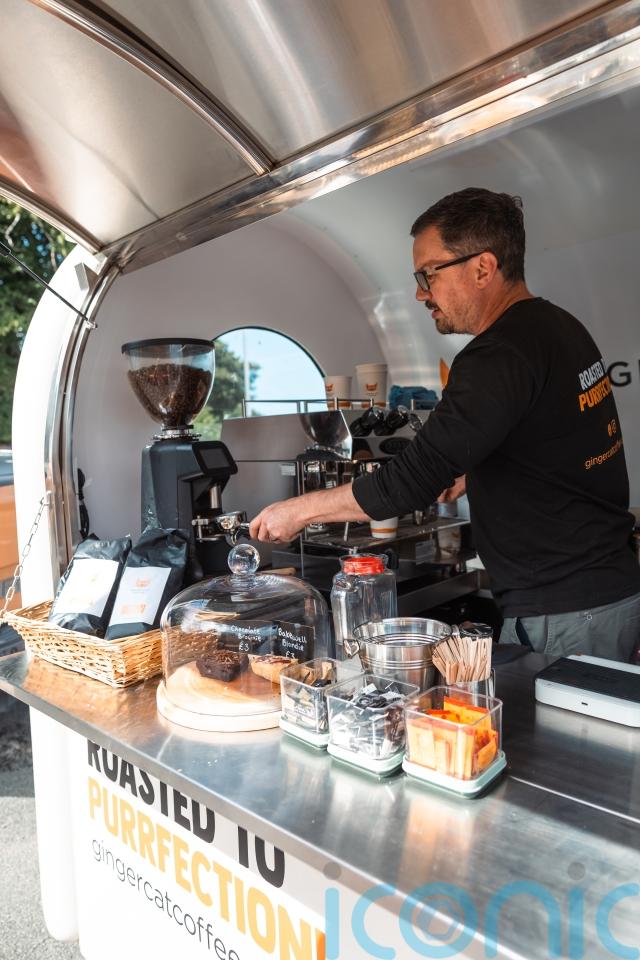
Looking back, Paul realises he had been struggling with ADHD since his childhood. His school reports described him as fidgety, distracted, earning him a “naughty” label as he often found it hard to be attentive in lessons.
“Growing up in the 80s and 90s, through school, you’re just deemed naughty,” Paul told PA Real Life.
“That gets you down, and causes underlying mental health issues in itself, because you’re just constantly told that you’re not doing enough. That’s a battle in itself.”
However, Paul didn’t get his diagnosis until he was 43, after an extremely challenging period of mental illness.
Paul worked in banking on-and-off for two decades, with a number of years in the middle spent building his first business. Forkin Collectables was built between late 2006 and early 2007, tapping into a huge market at the time for collectable figurines, but the 2008 financial crisis brought the brand to a sudden and disastrous end.
“With ADHD you get very excited about things, even if they’re not necessarily realistic, and you can get swept away with stuff,” Paul said.
“I didn’t think whether it was a good idea or a bad idea. I just went with it, committed full on.”
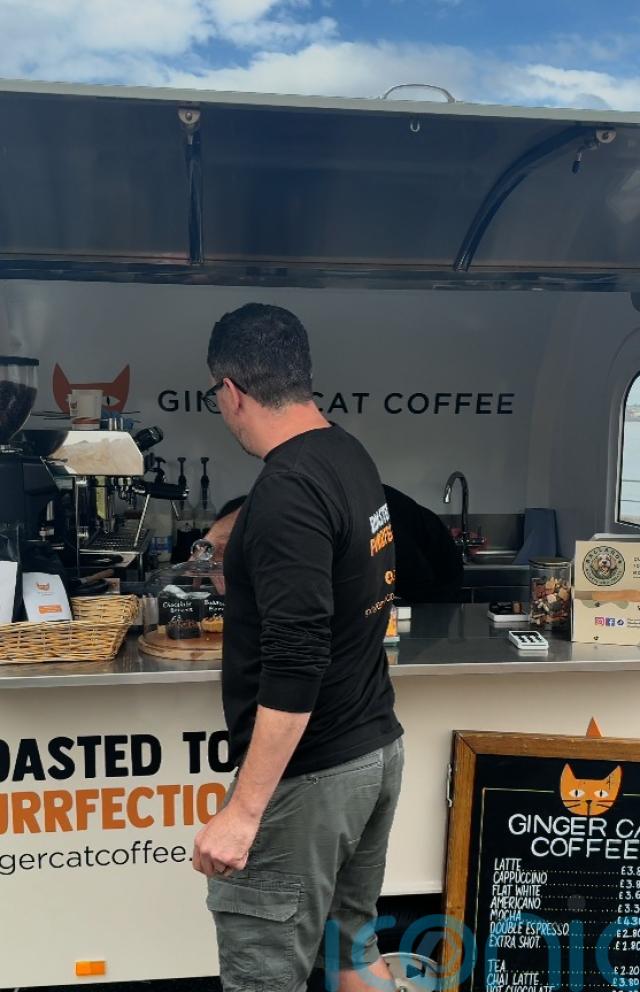
Throughout 2007, it looked like Paul’s gamble had paid off. He’d quit his corporate job and pushed all of his time and resources into the business, with his products stocked in around 50 shops across the country as well as garnering interest from wholesalers in Australia, New Zealand and South Africa. However, as the year progressed, Paul noticed things starting to tail off: a lower interest in the collectables market, the gift shops that had bought stock going under, culminating in the shocking 2008 financial crisis that brought Paul’s dream to a sudden end.
“That’s definitely when depression started,” he said.
“You’re more prone to it with ADHD. I wrapped (Forkin Collectables) up in 2008, I had to go through bankruptcy to write everything off, and then I ended up getting a job back at the bank that I’d left in 2009.
“But my mental health suffered from 2008 all the way to probably 2022.”
Reflecting on this period, Paul realised that his life has “definitely been a very fine balance between addiction and depression”.
He said he tends to get sucked into interests, hobbies and goals, becoming hyper-focused and devoting a lot of time and energy to them, but to the extent that his work and relationships begin to suffer.
“Addiction could be anything,” he said.
“I’ve done different martial arts over the years, which have been positive until it negatively impacts my life.
“I’ve done things so much that my relationship has been affected, my friendships have been affected, my job’s been affected, because I’m so obsessed with the thing that I’m enjoying. What was a healthy sport becomes like an addiction.”
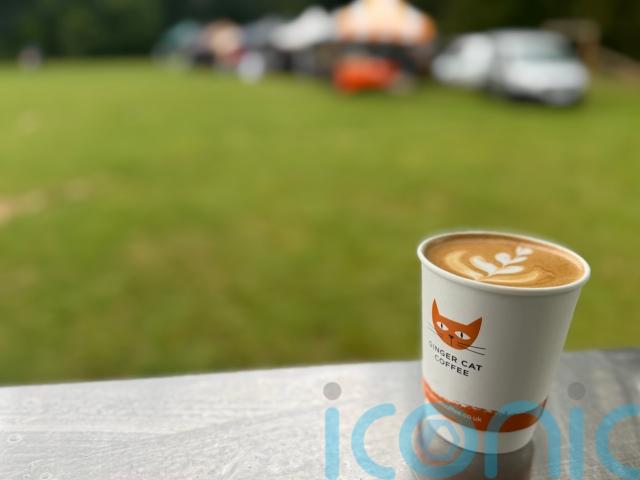
However, Paul has been able to learn how to harness his hyper-focused periods in a positive way. For example, he discovered a love for coffee in his 30s, having always loved the smell but hating the taste, and a foray into exploring high quality coffee instilled a new passion in him that he’s been able to turn into a business.
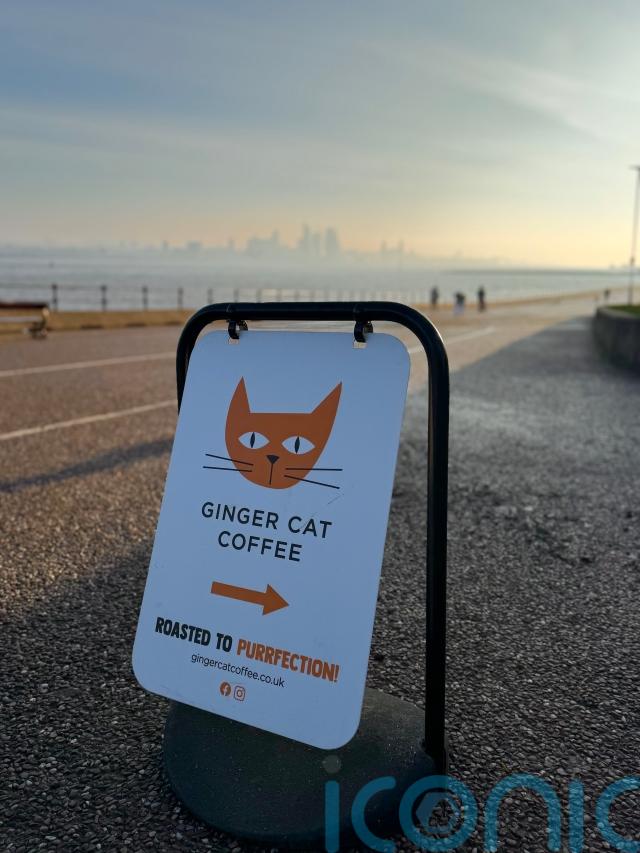
Thus, the Ginger Cat Coffee Co. – a name inspired by his pet cats – was born. Unlike with his first business, Paul took a much more cautious approach, tagging along with a friend who had a food truck to cater events, before investing more into the mobile coffee business. When the Covid pandemic hit in 2020, Paul was about to buy a trailer for Ginger Cat Coffee, but pressed pause as the world went into lockdown.
Paul continued to work on the business throughout the pandemic, more as a “side hustle” than with a view to make it his full-time job – but the positive impact working from home had on his mental health made him realise the corporate world simply didn’t work for him.
“During the pandemic… my mental health was so much better working from home,” he said.
“I’d spoken to doctors and counsellors, and they recommended that I worked from home four days a week. But the bank I was working for, that was not their policy. I had to get back in five days a week.
“I just ended up leaving.”
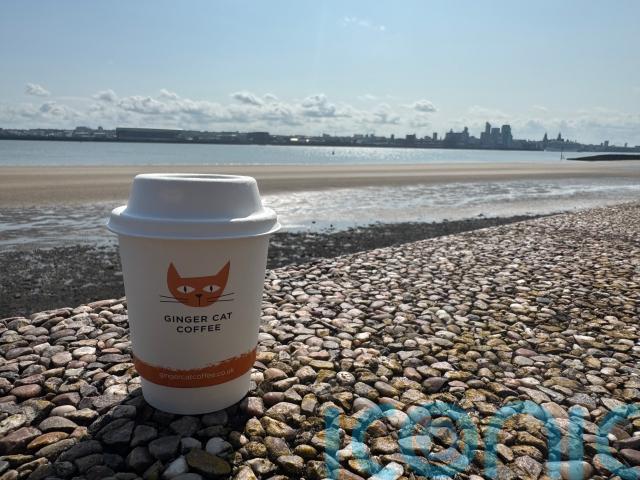
“I was like, I think I need to move to the coffee, even if it’s part-time and I don’t earn as much money,” he added.
“I need to just dial it down and look after myself, really.”
Now, Paul no longer needs ADHD medication. Although it initially helped him following his diagnosis, he said that “having my own business and doing what I love as a hobby, I get enough stimulants each day that I don’t need the medication.”
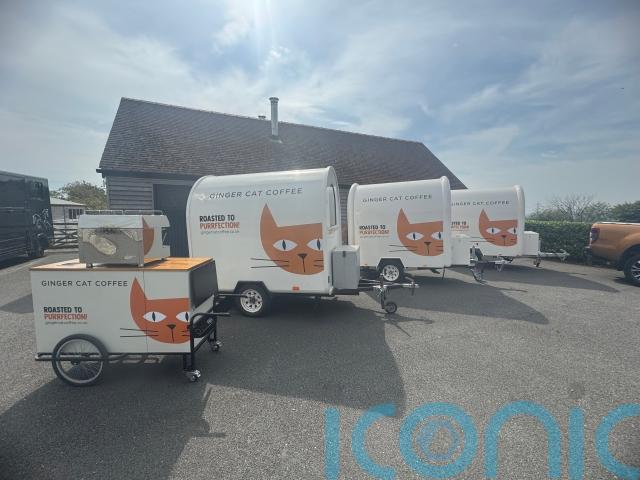
With two pods, a coffee cart for weddings and events, and a gazebo, the Ginger Cat Coffee Co. is progressing through leaps and bounds. Paul hopes to one day open a coffee shop, and maybe even franchise the business to help other entrepreneurs take the leap to self-employment.
“But the main thing,” he said, “is we would like to set up an arm of the business where we train neurodiverse individuals, especially teenagers, with barista skills.”
“Coffee’s the one passion I’ve got where I felt like I could turn it into a business, and it was in my 40s. I feel like if I’d had something like the coffee a lot earlier, my mental health wouldn’t have suffered as much,” he added.
“I think if we can offer that to neurodiverse individuals, especially teenagers… The main thing is just to give them something that they can focus on and not feel like they don’t fit in.
“It’s that old saying: If you try and get a fish to climb a tree, it’s going to feel like it’s hopeless. But if you stick it in the water, it can swim.
“I just wish I’d known these things when I was younger.”
Find the Ginger Cat Coffee Co. on Instagram at @gingercatcoffee

Subscribe or register today to discover more from DonegalLive.ie
Buy the e-paper of the Donegal Democrat, Donegal People's Press, Donegal Post and Inish Times here for instant access to Donegal's premier news titles.
Keep up with the latest news from Donegal with our daily newsletter featuring the most important stories of the day delivered to your inbox every evening at 5pm.

This publication supports the work of the Press Council of Ireland and Office of the Press Ombudsman, and our staff operate within the Code of Practice of the Press Council. You can obtain a copy of the Code, or contact the Council, at www.presscouncil.ie, Lo-call 1800 208 080 or email: info@presscouncil.ie.