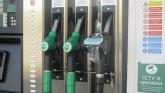
Fuel protests that have disrupted transport and supply routes across Ireland in recent days showed signs of easing on Monday, as the M8 near Cashel was fully cleared and reopened to traffic.
READ MORE: 62% of Tipperary parents are in favour of religious-run schools
Blockades at key ports, including Foynes and Galway, as well as at the Whitegate oil refinery, have also ended, a development expected to restore fuel supplies in the coming days.
The easing of disruption comes as the Government moves to address the crisis with a €505m support package aimed at reducing fuel costs for consumers and providing targeted assistance to key sectors.
Central to the plan is a 10 cent per litre reduction in excise duty on both petrol and diesel, alongside a further 2.4 cent cut on green diesel. The measures, which require Dáil approval, are due to take effect from midnight on April 15 and will remain in place until July 31.
A planned increase in carbon tax, due to come into force on May 1 and affecting fuels such as kerosene heating oil, natural gas and solid fuels, has been deferred until the Budget in October. The decision reflects the pressure on Government to ease immediate cost burdens amid rising energy prices.
In addition to tax reductions, direct fuel support schemes are to be introduced for hauliers, bus operators, farmers, agricultural contractors and those involved in fisheries.
However, details of these schemes are still being finalised, and some within the transport and contracting sectors have indicated that the proposed supports may not go far enough.
Reaction from the farming community has been cautiously positive. Macra na Feirme welcomed the €100m emergency package for farmers as a step in the right direction, but stressed that timely delivery will be critical. The organisation has also called for a pause on carbon tax and EU Carbon Border Adjustment Mechanism charges on fertiliser.
READ MORE: WATCH: The 2 Johnnies raise funds for Children’s Health Foundation at 3Arena concert
Despite the reopening of major routes, protest activity has not fully subsided. Demonstrations are continuing on roads north of Dublin, while organisers have called for a national day of strike action in an effort to maintain pressure on the Government.
The political fallout is also intensifying. Sinn Féin has tabled a motion of no confidence in the Government, citing its handling of the fuel crisis and the broader cost of living.
The motion is expected to be countered with a Government motion of confidence, and unless supporting independents or coalition members withdraw backing, the Government is likely to survive the vote.
The disruption has also had knock-on effects beyond fuel supply. Practical examinations in Leaving Certificate music and Junior Cycle home economics scheduled for Monday have been postponed due to uncertainty around transport.
The State Examinations Commission said revised arrangements will be put in place, with affected schools to be contacted directly.
The developments in Ireland also sit within a wider international context, where energy markets remain highly sensitive to geopolitical instability.
While domestic measures may provide short-term relief, the underlying drivers of the crisis remain external. Fuel prices have surged following escalating conflict in the Middle East, triggered by a US and Israeli strike on Iran in late February.
Efforts to reach a diplomatic resolution have so far failed, with talks over the weekend ending without agreement. JD Vance said Iran’s unwillingness to commit to abandoning nuclear weapons development was a key barrier.
Continued tension in the Middle East has already contributed to volatility in global oil and gas prices, with supply routes such as the Strait of Hormuz remaining a critical point of concern for import-dependent economies.
Any sustained disruption to these flows risks prolonging price pressures internationally, limiting the effectiveness of domestic policy responses.
For Ireland, the episode underlines how quickly external shocks can translate into domestic economic and political strain.
READ MORE: Uisce Éireann seeks planning approval to upgrade Carrick-on-Suir water treatment plant