Search


21 Apr 2026
Search
21 Apr 2026

Please allow ads as they help fund our trusted local news content.
Kindly add us to your ad blocker whitelist.
If you want further access to Ireland's best local journalism, consider contributing and/or subscribing to our free daily Newsletter .
Support our mission and join our community now.
To continue reading this article, you can subscribe for as little as €0.50 per week which will also give you access to all of our premium content and archived articles!
Alternatively, you can pay €0.50 per article, capped at €1 per day.
Thank you for supporting Ireland's best local journalism!


Delayed discharges cost the NHS at least £440 million, Scotland’s public service watchdog has said.
An Audit Scotland report released on Thursday showed more than 720,000 bed days were lost in 2024-25 with the patients being well enough to be discharged, with one in every nine beds in Scottish healthcare settings occupied by someone who did not need to be there.
People can be delayed in hospital for a number of reasons, but the most common is the lack of a social care package.
While Audit Scotland estimates that £440 million was spent on the care of those unnecessarily occupying beds, the true cost is “likely to be much higher”, according to the report.
“Despite only around 3% of all people discharged from hospital experiencing a delay, each delay has a detrimental effect on the individual’s physical and mental wellbeing,” the report said.
“This includes increased risk of infections, reduced mobility and independence and can result in higher social care needs upon discharge.
“Delays also impact the flow of patients through hospitals, reducing staffing availability and capacity for other patients, and in 2024/25 resulted in 11.7% of hospital beds being unnecessarily occupied.
“This means that the system cannot function as intended, and it will be challenging to meet the projected increase in demand if delayed discharges are not reduced.”
The situation with delayed discharge is a “symptom of much wider challenges across the health and social care system”, the report said.
“The Scottish Government, integration authorities and their partners, the NHS boards and councils, have actively targeted delayed discharges as an issue,” the watchdog said.
“This has led to some improvements, but this varies across the country.
“The lack of a consistent approach to evaluating initiatives makes it very difficult to understand their impact.
“Better analysis and transparency are needed to understand both the costs and impacts of delayed discharges, what is providing better quality of outcomes for individuals and value for money for public spending.”
The Government and Public Health Scotland should produce an estimate of the total costs of delayed discharge, as well as assess current measures in place to stem the problem – both over the next year.
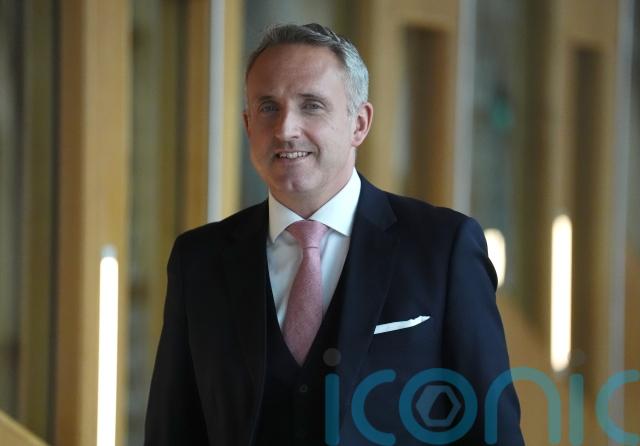
Scottish Lib Dem leader Alex Cole-Hamilton said the cost was “utterly astonishing”, adding: “These are people who should be cared for in the community at a quarter of the cost.
“The SNP’s abject failure to provide proper care at home or in the community is leaving 2,000 patients stuck in hospital on a typical night.
“It’s why A&E departments are struggling to move people into hospital and why ambulances are stacking up outside.”
Scottish Labour deputy leader Dame Jackie Baillie said the scale of the issue is “staggering”.
She added: “This issue is causing misery for patients, piling pressure on to hospitals, and costing our NHS billions.
“The SNP’s lack of funding for social care, estimated at almost a £500 million shortfall, is making matters worse as local Health & Social Care Partnerships are unable to meet demand and are cutting services.
“Yet, this incompetent SNP Government has no answers, despite being in power for 19 years and claiming that the health service has turned a corner.”
The health lead at trade union Unison Scotland, Matt McLaughlin, said the Government’s “budget cuts and ongoing failure to get to grips with the social care crisis” was “causing real harm to patients”.
“Despite repeated promises, the Scottish Government has failed to tackle the crisis and both patients and staff continue to suffer the consequences,” he added.
“Unison has consistently called for sustained investment in social care and fair funding for social services alongside our NHS. We need properly resourced services and a fairly paid workforce who can coordinate the services we all rely on.”
Health Secretary Neil Gray said: “We are grateful for Audit Scotland’s report and share the view that, despite the hard work this government has undertaken in partnership with Cosla and Health and Social Care Partnerships, more must be done to ensure people receive the care they need in the right place, at the right time.
“We agree that nationally consistent performance information is critically important for improving outcomes.
“Despite the challenges the report sets out, there have been improvements in some areas delivered through a whole system approach to change and 97% of all hospital discharges happen without delay.
“Local systems have been working hard to reduce delays and deliver on the commitments set out in our Operational Improvement Plan, supported by investment of over £220 million to improve patient flow, enhance capacity and remove blockages keeping patients in hospital longer than necessary.
“This winter, that includes up to £20 million to fund increased social care and reduce pressure on the hospital front door.”
Royal College of Nursing (RCN) Scotland executive director Colin Poolman said: “It’s simply not possible to address the issue of delayed discharge in Scotland’s hospitals, without increasing capacity in community and care home settings.
“Delivering nursing care in the community is key, bringing care closer to the individual and reducing the pressure on acute hospitals.
“Significant investment in the essential role of the registered nurse in the community and action to address the funding and workforce challenges in primary and social care is needed, if the longstanding ambition to move care into the community – a key aspect of the Scottish Government’s Service Renewal Framework – is to be realised.”

Subscribe or register today to discover more from DonegalLive.ie
Buy the e-paper of the Donegal Democrat, Donegal People's Press, Donegal Post and Inish Times here for instant access to Donegal's premier news titles.
Keep up with the latest news from Donegal with our daily newsletter featuring the most important stories of the day delivered to your inbox every evening at 5pm.

This publication supports the work of the Press Council of Ireland and Office of the Press Ombudsman, and our staff operate within the Code of Practice of the Press Council. You can obtain a copy of the Code, or contact the Council, at www.presscouncil.ie, Lo-call 1800 208 080 or email: info@presscouncil.ie.