Search


21 Apr 2026
Search
21 Apr 2026

Please allow ads as they help fund our trusted local news content.
Kindly add us to your ad blocker whitelist.
If you want further access to Ireland's best local journalism, consider contributing and/or subscribing to our free daily Newsletter .
Support our mission and join our community now.
To continue reading this article, you can subscribe for as little as €0.50 per week which will also give you access to all of our premium content and archived articles!
Alternatively, you can pay €0.50 per article, capped at €1 per day.
Thank you for supporting Ireland's best local journalism!


The UK’s landscapes and wildlife endured drought, heat and fires that gave way to downpours and floods in 2025 as extreme weather becomes the “new normal”.
The National Trust’s annual review of the year for nature warned the latest in a run of recent drought years was putting “untold strain” on habitats and hitting everything from new trees to natterjack toads.
But there was some good news for nature, as butterflies rebounded from the disastrous wet spring and summer in 2024 and hazel dormice enjoyed the long warm season and fattened up on the mast year for fruit, berries and nuts.
And the National Trust said scaling up efforts to restore habitats could give “wildlife and landscapes the lifeline they need” in the face of growing climate change-driven extremes, as ponds created by beavers stayed lush and wet and wetland restoration projects thrived even in 2025’s drought.
This year was bookended by storms Eowyn, which hit in January and toppled tens of thousands of trees across Northern Ireland, and in November, Claudia, which triggered flood warnings across England and Wales, and Bram, which brought a month’s worth of rain on Dartmoor in just 48 hours.
But the “defining” weather of 2025 was the warmest and sunniest spring on record, followed by a record hot summer and widespread drought, which saw streams and ponds dry up, rivers and reservoirs dwindle, and led to the UK’s worst ever fire season.
Ben McCarthy, head of nature conservation at the National Trust, said: “Heat, drought and fire are the defining headlines of 2025.
“In just two years, we’ve lurched from a very wet period to record-breaking heat and dryness that put our countryside on red alert.”
And he said: “Extremes in weather is nothing new, but it’s the compounded impact of several drought years in a short period – 2018, 2022 and now 2025 – which is putting untold strain on habitats and making life even more difficult for UK wildlife.
“These are alarm signals we cannot ignore, and we need to work faster, smarter and in a more joined-up way.”
Keith Jones, national consultant on climate change, added: “These extremes – driest spring, hottest summer – are no longer rare events.
“They’re becoming the new normal, but practical action makes a difference.”

He said the National Trust was planting more drought-tolerant trees such as hornbeam in Eryri (Snowdonia), improving soil health in gardens and creating resilient landscapes which stored water and could cope with heat.
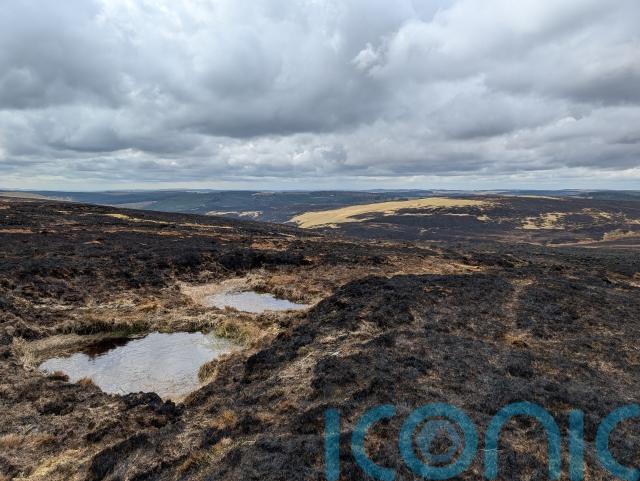
One of the most damaging impacts of the hot, dry spring and summer was the outbreak of wildfires, which saw a record 47,000 hectares (116,000 acres) of land burn across the UK.
This included Holt Heath in Dorset, Marsden Moor in Yorkshire, and at Abergwesyn Common in Powys, in April, where 5,365 hectares of peatland, including 1,600 hectares under the Trust’s care, burned after a deliberately-started blaze, destroying peat that was being restored.
The blaze ripped through the last known breeding grounds of rare golden plovers in the area, as well as affecting meadow pipits, skylarks, red kites, common lizards and rare dragonflies, in damage that rangers say will be felt for decades.
The dry conditions also left streams and ponds low, with breeding ponds for great crested newts drying up at Tattershall Castle, Lincolnshire and Formby’s natterjack toads producing no toadlets this year.
The drought was hard on trees too – the National Trust said it saw 40% losses in newly planted trees, compared to the 10-15% they would expect to see, while mature trees lost leaves early and dropped limbs.
Elsewhere, it was a mixed picture for wildlife, the charity said, with butterflies rebounding from 2024’s wet spring and summer, species such as barn owls and kestrels suffering where vole numbers crashed in parched grassland, and wildflower meadows struggling in drought-hit areas.
But at Purbeck in Dorset at Hartland Moor, stress-tolerant wildflower species such as stork’s bill and common centaury did well, and the impact of the dry weather pushing cattle to graze in wetter areas created rich habitats for pollinators.
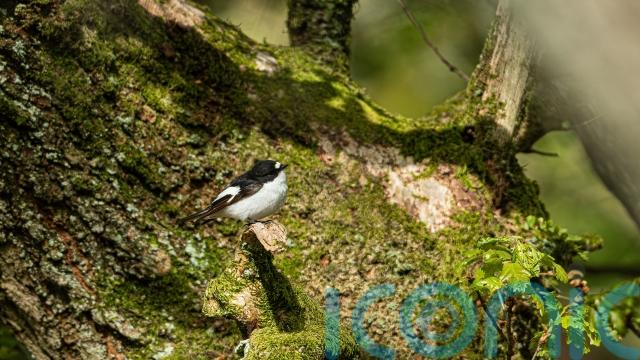
And pied flycatchers in Chirk Castle, Wales and Longshaw in the Peak District, saw good numbers fledging as a result of the dry and settled weather in spring.
Arctic tern nests fell 30% at Long Nanny, and puffin numbers fell by nearly a quarter (23%) on the Farne Islands, in Northumberland, though fulmars and razorbill numbers rose.
The warm spring and dry summer led to bumper fruit harvests, and a great year for pumpkins, in National Trust orchards and gardens, and prompted trees and hedgerows to produce a “mast year” of abundant crops that benefited wildlife from jays and deer to hazel dormice.
Generalist species such as seals, carrion crows and speckled wood butterflies were able to adapt to warmer temperatures and a varied diet, but more specialist species are in “steep decline”, with protected sites too small and fragmented to help them, Mr McCarthy warned.
“But there is hope: where we’ve restored rivers, wetlands and peatlands, nature has shown remarkable resilience,” he said, adding that scaling up these efforts “can give wildlife and landscapes the lifeline they need”.
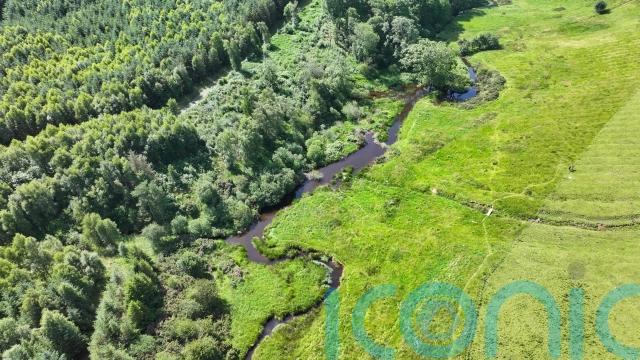
These include the River Aller’s “stage-0” restoration project on the Holnicote Estate on Exmoor, which has created wetlands that held water and supported water voles, egrets and swifts through the dry weather.
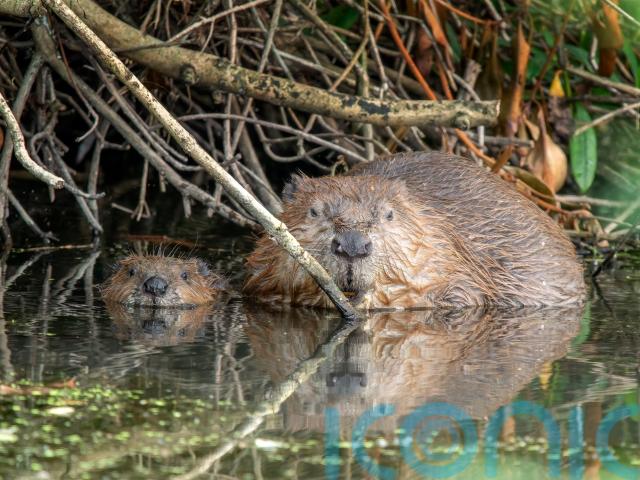
Beavers at Holnicote have also created wetlands which remained “lush” all summer, supporting otters and kingfishers, while pools created by the semi-aquatic mammals at Wallington in Northumberland retained water and provided a refuge for fish and amphibians, the National Trust said.

Subscribe or register today to discover more from DonegalLive.ie
Buy the e-paper of the Donegal Democrat, Donegal People's Press, Donegal Post and Inish Times here for instant access to Donegal's premier news titles.
Keep up with the latest news from Donegal with our daily newsletter featuring the most important stories of the day delivered to your inbox every evening at 5pm.

This publication supports the work of the Press Council of Ireland and Office of the Press Ombudsman, and our staff operate within the Code of Practice of the Press Council. You can obtain a copy of the Code, or contact the Council, at www.presscouncil.ie, Lo-call 1800 208 080 or email: info@presscouncil.ie.