Search


31 Mar 2026
Search
31 Mar 2026

Please allow ads as they help fund our trusted local news content.
Kindly add us to your ad blocker whitelist.
If you want further access to Ireland's best local journalism, consider contributing and/or subscribing to our free daily Newsletter .
Support our mission and join our community now.
To continue reading this article, you can subscribe for as little as €0.50 per week which will also give you access to all of our premium content and archived articles!
Alternatively, you can pay €0.50 per article, capped at €1 per day.
Thank you for supporting Ireland's best local journalism!


A host of household bills are to rise from April 1. Here is by how much, and what you can do to cut costs.
– Council tax
Across England, the average Band D council tax in 2026/27 will be £2,392 – an increase of £111 or 4.9% on 2025-26, according to the Ministry of Housing, Communities & Local Government.
The figures include all additional charges, including adult social care, parish precepts and costs levied by police, fire and regional authorities where appropriate.
It is the fourth year in a row that the England-wide increase has averaged around 5%.
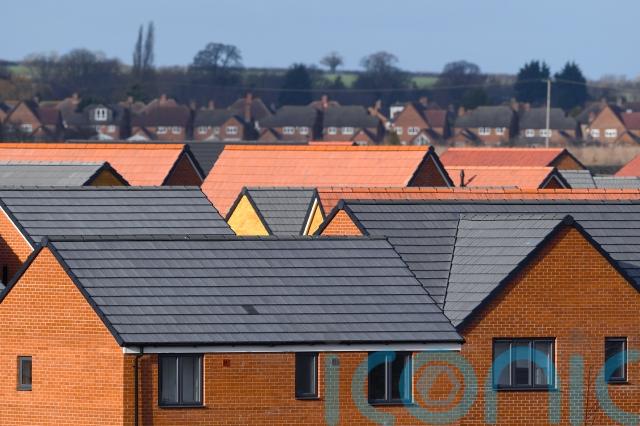
Single-person households qualify for a 25% discount, full-time students can be fully exempt, and those on low incomes can apply for a reduction of up to 100%. Carers and people with disabilities may also qualify. Discounts are not applied automatically, so households need to contact their council to claim.
Households can also contact their local authority to review their bill or spread payments over more months to help manage costs.
– Water
Household water bills across England and Wales are to rise by an average of 5.4%, equating to £33 a year for the average household.
There is significant regional variation in bill increases, with Severn Trent customers seeing a 10% increase, Sutton and East Surrey imposing an 11% increase, Bristol Water a 12% rise and Affinity Water (central region) customers warned they have a 13% jump coming.
Around 2.5 million households are eligible for social tariffs, with savings of around 40%.
– Broadband and mobile phone
BT, EE, Plusnet and Virgin Media are all hiking broadband prices by £4 a month, Sky by £3, and Vodafone by £3.50 – adding nearly £50 more per year to bills.
Additionally, one in four broadband customers are out of contract, paying up to £9 per month more than those in contract.
Those out of contract are free to leave and find a better deal. If you want to stay with your current provider, make contact and ask them what they can offer on a lower price.
Totally Money said “millions” of people are out of contract with their mobile phone provider, and so also free to leave and find a better deal – with some SIM only deals available for less than £5 a month.
Mobile phone customers can text ‘INFO’ to 85075 to find out if they are still in contract. If not, shop around.
– Energy
In some – albeit temporary – good news, the price most households pay for energy will fall by 7% from April 1.
Ofgem’s price cap will drop from the current £1,758 to £1,641 – a reduction of £117 or around £10 a month for the average household using both electricity and gas.

However, the reduction is lower than the average £150 cut to bills pledged by the Chancellor in November, when she moved 75% of the cost of the renewables obligation from household bills onto general taxation and scrapped the energy company obligation (Eco) scheme.
And of increasing concern is the amount energy bills could rise by from July as a result of the Middle East conflict, with latest predictions suggesting this could be by £288 a year.
The estimated 22 million households still languishing on their supplier’s Standard Variable Rate are paying the maximum allowed by the regulator. Now is the time for these households to investigate signing up to a fixed deal.

Subscribe or register today to discover more from DonegalLive.ie
Buy the e-paper of the Donegal Democrat, Donegal People's Press, Donegal Post and Inish Times here for instant access to Donegal's premier news titles.
Keep up with the latest news from Donegal with our daily newsletter featuring the most important stories of the day delivered to your inbox every evening at 5pm.

This publication supports the work of the Press Council of Ireland and Office of the Press Ombudsman, and our staff operate within the Code of Practice of the Press Council. You can obtain a copy of the Code, or contact the Council, at www.presscouncil.ie, Lo-call 1800 208 080 or email: info@presscouncil.ie.