
FITNESS COLUMN: Living well with Graham
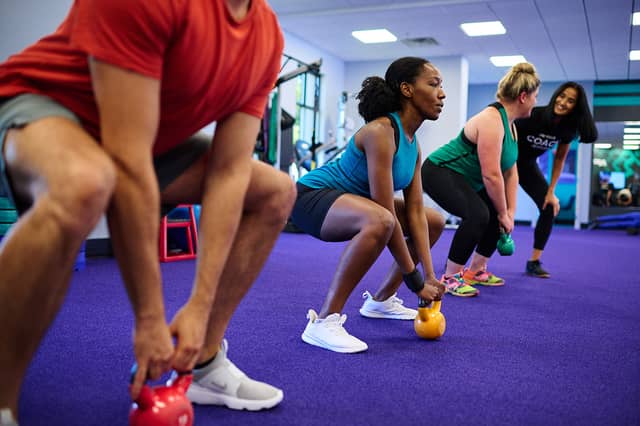

You don’t need a specific body to be happy, but you need to not hate it
I’ve been coaching for over twenty years, and if there’s one thing I’ve watched more than any other, it’s people arriving with a number in their head and leaving with something better than the number.
Here’s what I’ve come round to. There’s a lot of room between hating your reflection and loving it, and most of the conversation about bodies skips that middle ground entirely. Which is a shame, because it’s where nearly all of us actually live.
The fitness industry sells one end. Get this body, then you’ll be happy. The counter-movement sells the other. Love your body exactly as it is, right now. Both ask you to feel something specific, and both leave you feeling like you’ve failed when you don’t.
There’s a third option, and it has a name. Body neutrality. One clinical psychologist sums it up as neither loving nor hating your body, and makes the point that body positivity can tip into a sort of forced cheerfulness, pushing people to feel something they don’t.
That’s the bar. Not adoration. Just not hatred.
What the industry is actually doing to you
Here’s the uncomfortable part for an industry like ours. The content designed to motivate you often does the opposite.
Researchers have looked at this a lot, and the finding keeps coming back the same. People who scroll fitness inspiration end up feeling worse about their bodies, not better, and comparing themselves more. One study found it even knocked how much people appreciated what their bodies could do.
Sit with that. Photos of people training, captioned with encouragement, leaving whoever sees them feeling further from their own body rather than closer to it.
It isn’t only women
None of this is a women’s problem. Women get sold smaller. Men get sold bigger, leaner, more visible abs. The standard is different, the mechanism is identical, and in my experience men are far less likely to admit it’s getting to them.
It isn’t accidental either. Insecurity is the most reliable thing there is to sell to. Anything promising to fix how you feel about yourself has an unlimited market, because that feeling never quite resolves. There’s always another version of you being advertised.
What actually helps
Here’s the bit nobody’s selling, because there’s no money in it.
Stop asking your body to look like something and start asking it to do something. Then keep a note of what it does. That’s it. Move your attention onto what your body can do and how you feel about it improves, which is a real research finding and also something you watch happen every week in a gym.
It’s never dramatic. Getting the shopping in one trip. Not noticing the stairs. The weight that felt heavy in January feeling like nothing now. But in twenty years I’ve never once seen somebody talk themselves into liking their body. I’ve seen plenty get there sideways, by getting good at something.
Where you train matters more than you’d think
If you’re in a gym or working with a coach, it’s worth noticing how they talk to you. Is progress measured in what you can do, or in how you look? Does the language lean on fixing, shrinking or earning your food? When they post online, is it photos of bodies, or photos of people training?
None of that is about whether a place is friendly. Plenty of gyms are perfectly nice and still quietly trade on the very thing that’s making you miserable. The question is simpler. After a session, do you feel more capable, or do you feel further away from something?
You’ll know the answer to that one straight away.
Twenty years in, the thing I’m proudest of isn’t anybody’s before and after photo. It’s a room where people work hard, get stronger, and go home thinking a bit less about how they look than when they came in.
You don’t have to love what you see in the mirror. You want to be able to look, and feel nothing much in particular. That isn’t settling for less. Your body is one part of who you are, not the whole of it.