
'There is always hope': Swatragh psychologist marks two decades helping others overcome challenges
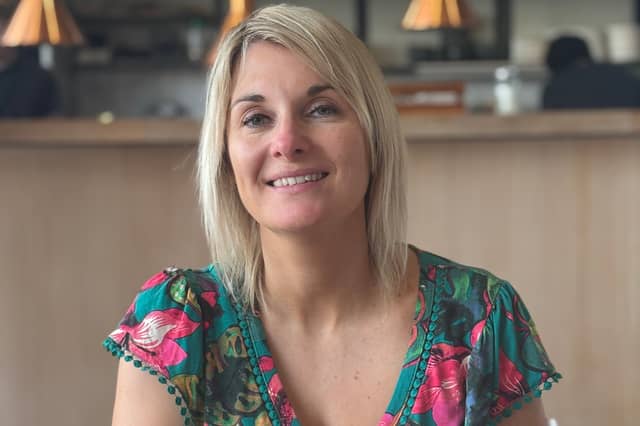

Sarah Connell was just 22 when she was diagnosed with Multiple Sclerosis in 2005 - she later went on to complete her Masters in Occupational Psychology in Liverpool
A psychologist from Swatragh is marking two decades of helping people improve their mental wellbeing, while living with a chronic health condition herself.
Sarah Connell, 43, serves communities across County Derry, where rates of emotional, psychological or mental health conditions are higher than the Northern Ireland average.
With more than a third of people in Northern Ireland reporting that they experience stress every day, Sarah said her mission to help people overcome challenges, foster personal growth and reach their full potential has never felt more important.
“Although the figures from Forth are concerning, I want people to know that there is hope,” said the mother of three. “Life can feel overwhelming at times, but change is possible. Small shifts in how we think about and respond to setbacks can make a significant difference to our wellbeing."
Living in Belfast and fresh from completing her Psychology degree, Sarah was just 22 when she was diagnosed with Multiple Sclerosis in 2005. She went on to complete her Masters in Occupational Psychology in Liverpool, where she also met her husband.
After working for a consultancy in England, she started her own business, MindingMe Psychologists, and later returned to Northern Ireland to be closer to family. She now supports people both face to face and online using a variety of evidence-based approaches and therapeutic and coaching techniques.
“I chose to become a psychologist because I have always been fascinated by human behaviour,” explained Sarah, who has a Certificate in Coaching.
“When I learned how our thoughts shape the way we feel and act, I wanted to share this insight with everyone. Over the years, I have had the privilege of supporting clients through a wide range of issues – including anxiety, low mood, depression, relationship difficulties, burnout, adjustment to chronic illness, grief and loss. What I find most rewarding is helping people better understand themselves and navigate life's difficulties in ways that support their wellbeing.”
According to the Department for Work and Pensions-commissioned report Young People and Work, the rising cost of living; the enduring impact of transgenerational trauma associated with the Troubles; and structural barriers to entry-level jobs are among the key factors contributing to Northern Ireland's youth mental health crisis.
These findings have reaffirmed Sarah’s commitment to working with children and young people, alongside her primary role supporting adults.
“It is a difficult time to be a young person in Northern Ireland,” conceded Sarah. “The opportunities for entry-level jobs are tightening and housing is becoming less affordable. Worrying about the future while struggling in the present can compound mental health struggles for young adults. Building resilience and coping skills is incredibly important work that Gen Z needs support with, and I am called to do this through my practice.”
While not wishing to be defined by her own diagnosis, Sarah acknowledges the achievement in having built a successful business while living with Multiple Sclerosis.
“I think less about the restrictions on my life and more about the potential I have to affect positive change,” she concluded. “Positive psychology helped to turn my life around and I feel fortunate to help others do the same.”