
Warning issued to Donegal bathers after sightings of Lion’s Mane jellyfish
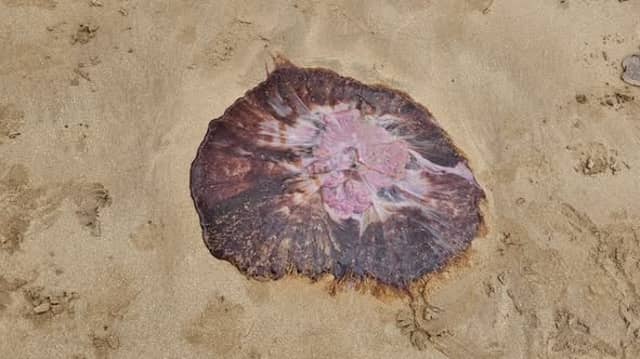

Lion's Mane tentacles can reach up to two metres in length and a sting can sometimes be painful and may require medical treatment in a hospital
A warning has been issued after sightings of Lion's Mane jellyfish at Donegal's beaches.
The jellyfish can be found from the middle of August and up to the second week of September and a warning has been issued that conditions are ideal for a noticeable increase in their numbers on our beaches and in our waters.
Lion's Mane tentacles can reach up to two metres in length and can sting even when washed up on the beach or when the tentacle becomes detached from the main body.
Donegal Lifeguard & Leisure Training posted a warning after recent sightings of the jellyfish in the county.
“We urge bathers to be extra vigilant on all of our beaches where Lion's Mane jellyfish are found. Please note that even when they’re dead and washed up on the beach, the venom stays in their tentacles for a few days. With so many long trailing tentacles there is a chance you could still get stung, even when you try not to swim near them. Also, fragments of the Lion's Mane jellyfish's tentacles that break off in the water will sting you, even if they're no longer attached to the jellyfish.
“A sting from a Lion’s Mane jellyfish can cause nausea, sweating, cramps, headaches and other symptoms and severe stings should seek urgent medical attention.
“Where the lifeguards have noticed a large number of Lion's Mane jellyfish, they may raise the red flag to advise against swimming. If you are stung on a lifeguarded beach – please approach the lifeguards on duty for assistance.”
The National Poisons Information Centre has issued guidance on what to do if stung.
“Extra care and attention is advised when visiting beaches for swimming and exercise over the next few weeks,” a spokesperson has advised.
“The sting can sometimes be painful and may require medical treatment in a hospital.”
If stung, you can expect immediate pain with stinging or pricking at the site of contact, possible skin reactions such as redness, itching, blistering, numbness, and wheal formation, and in rare cases, allergic reactions.
Immediately after being stung, swim ashore quickly and calmly, seek medical attention from a lifeguard if available, and flush the affected area with plenty of sea water—using a beach bucket if needed—to remove attached tentacles. Get help to rinse areas that are difficult to reach, take care not to get stung yourself if assisting someone else, and carefully remove any remaining tentacles from the skin using the edge of a bank card, tweezers, or a gloved hand, rinsing the tool or glove after each pass to prevent reattachment of tentacles.
After being stung, do not apply cold applications as they can worsen the discomfort, do not rinse with fresh water, do not cover the wound with a tight bandage, and avoid scratching or rubbing the affected area.
As soon as possible after being stung, if the wound is painful, immerse the affected limb or area in hot water as hot as can be tolerated for 30 to 90 minutes, or until the pain eases—taking care not to cause scalding, as numbness may occur; if immersion is not possible, apply hot flannels instead. The area can be re-immersed in hot water or treated with hot flannels for up to two hours after the sting if pain returns. If pain persists or itching develops, contact the National Poisons Information Centre (NPIC), your GP, or a pharmacist for advice, and seek urgent medical attention in hospital if you experience breathing difficulties, chest tightness, swelling around the mouth or eyes, or vomiting.
People are also advised that Lion's Mane should not be touched if found on the beach, even if they appear dead as the sting can still be very painful.
The National Poisons Information Centre can be reached on 01 9082166