
Charity challenges UK Government over ‘damaging’ cut in financial aid for Malawi
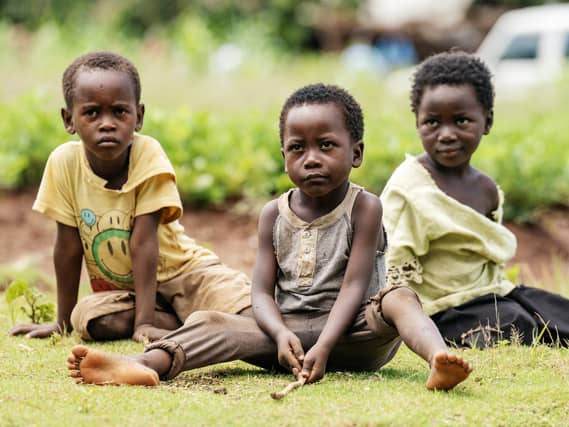

The latest Foreign, Commonwealth and Development Office accounts said spending in the African country could fall to £5 million by 2028-29.
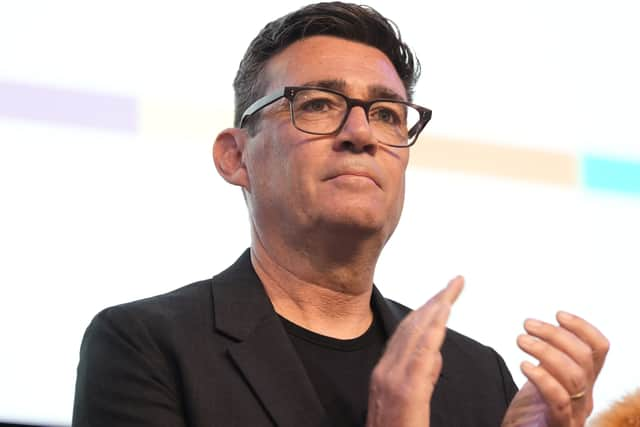
Incoming prime minister Andy Burnham is being challenged to reverse “damaging” cuts to international aid which will see the help the UK Government gives to Malawi fall from more than £50 million last year to just £5 million in two years.
Campaigners at the charity Oxfam accused the Labour Government of “taking a sledgehammer to aid spending at a time when conflict, hunger and climate disasters are driving need to staggeringly high levels”.
The charity hit out as the the latest accounts from the Foreign, Commonwealth and Development Office (FCDO) showed £50,242,000 of UK Government cash went to help the struggling African nation – which has historic links with Scotland – in 2025-26.
But, with the UK Government having announced its overseas aid budget will be “gradually reduced” to 0.3% of forecast gross national income by 2027, to help fund increased defence spending, the accounts show funding for Malawi is to drop to £20 million this year, and then planned to fall further to £10 million in 2027-28 and £5 million in 2028-29.
The report stresses that the figures “do not reflect the full range of UK ODA spending in individual countries, as they do not include spend delivered via core contributions to multilateral organisations, or regional programmes delivered by the FCDO’s central Departments”.
But Oxfam Scotland advocacy adviser, Katherine May, said: “The consequences won’t be felt by those sitting in comfort in Whitehall – they’ll be felt in communities where more children go hungry and more people die of preventable deaths because the support they rely on has been callously ripped away.”
She insisted: “The new prime minister should choose a different path and immediately reverse these damaging cuts before even more harm is done.
“The UK has no shortage of wealth; what’s missing is the political will to use it to help save lives.”
With the SNP having pledged to increase Scottish Government spending on international development by 25% by 2031, Ms May said that “as Westminster pulls back, Scotland must step forward”.
The manifesto had promised to “increase the £15 million International Development Fund by at least 25% by the end of the next Parliament”.
That commitment was made after First Minister John Swinney travelled to Africa, visiting both Malawi and Zambia, in October 2025.
The SNP leader said at the time he wanted to use the trip to find out how Scotland’s work can have a “transformative impact on communities”.
Ms May said the commitment to increase spending by the Scottish Government was “very welcome” but added that Holyrood ministers must deliver on it “swiftly” while at the same time also increasing Scotland’s Humanitarian Emergency Fund.
She said: “Scotland’s contribution may be small in size, but it sends a powerful message that, in a world of deepening crises, we will not turn our backs on people who need help the most.”
Simita Kumar, the Scottish Government’s minister for international development, said: “The newly published UK aid allocations are deeply concerning. The scale of the reductions now confirmed for Malawi is particularly alarming.
“A cut of almost 90% over three years represents a fundamental change in the UK’s development relationship with one of Scotland’s longest-standing international partners. Similar reductions are planned for Rwanda and Zambia.”
“At a time when these countries continue to face significant economic, social and climate-related challenges, cuts of this scale risk undermining hard-won progress and will be felt most acutely by vulnerable communities.
“We strongly urge the UK Government to reconsider the scale of these reductions and to set out clearly how it intends to maintain meaningful support for countries facing significant development challenges.
“The Scottish Government remains committed to being a good global citizen and to supporting our longstanding partner countries, including Malawi, Rwanda and Zambia.
“We have committed to increasing Scotland’s International Development Fund by a further 25% over the course of this Parliament and will continue to work with our partners to support sustainable development.”
UK Government development minister Jenny Chapman said they were “making every pound of UK development spending work harder, for people facing the toughest crises and for taxpayers at home”
She said: “The FCDO will spend around one third of our entire aid budget in sub-Saharan Africa.
“This includes over £1 billion per year of UK multilateral ODA to sub-Saharan Africa, including via the UK’s increased contribution to the World Bank’s International Development Association (IDA), which delivers around two-thirds of its work in Africa.
“We have also prioritised other international organisations like the African Development Bank and Gavi, the vaccine alliance will also ensure the UK continues to provide strong support in Sub-Saharan Africa.
“But we’re also taking the necessary steps to move towards a new model of development: focusing on partnerships rather than paternalism, strengthening national systems, and helping countries move away from reliance on aid.”