
Low taxes in Scotland not a ‘benefit’ for people, think tank claims
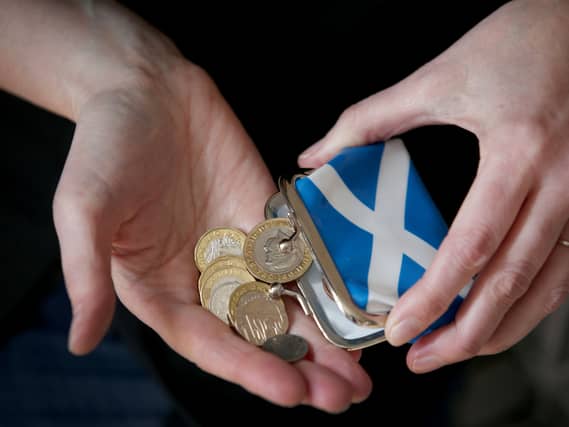

IPPR Scotland said increasing the starter, basic and intermediate rates of income tax could net an extra £1.2 billion for public services.
Scotland’s Finance Secretary is being urged to make “bolder” choices on tax, as a think tank suggested increasing income tax for lower-paid Scots could net about £1.2 billion more for public services next year.
Analysis by the think tank IPPR Scotland suggested the money could be raised by putting 2p on the starter, basic and intermediate tax rates.
This would affect lower and middle earners, as those with annual salaries of between £12,571 and £43,662 currently pay income tax at these levels.
IPPR Scotland said while much of the tax debate focused on comparisons between Scotland and the rest of the UK – where higher earners pay less in income tax – the tax rates imposed by the Scottish Government were lower than in many other parts of Europe.
The think tank found that while the bottom half of taxpayers in Scotland pay about £40 less than they would elsewhere in the UK, they can pay hundreds, if not thousands, of pounds less in tax than workers on a similar income in Europe.
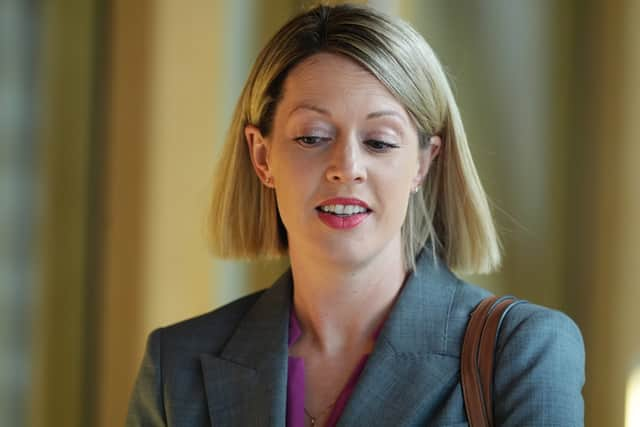
With just over a week to go until Finance Secretary Jenny Gilruth, also Scotland’s Deputy First Minister, sets out her Budget at Holyrood, IPPR researchers said that keeping taxes low for ordinary Scots “unnecessarily constrains the Scottish budget”.
Dave Hawkey, senior research fellow at IPPR Scotland, said: “The tax debate in Scotland has lost perspective.
“In the face of mounting pressures, politicians speak a language of tax simplification and restraint.
“But relying on public sector reorganisation and efficiency to close the growing gap between revenues and spending comes with the risk of undermining services and passing costs on to the population.
“Ordinary people in Scotland pay low tax compared with their European neighbours and it isn’t to their benefit.”
Ms Gilruth said: “Thanks to the tax decisions taken by this government, the majority of income taxpayers in Scotland can expect to pay less tax than south of the border, while raising additional revenue to pay for things like free prescriptions and free tuition not available anywhere else in the UK.
“What is constricting Scotland’s budget are decisions made by the UK Government – including cutting our budget by £650 million in real terms and Brexit, which is costing the public finances billions every year, meaning there is less to invest in public services.
“With the fresh start of independence, Scotland could rejoin the EU as an independent member state and would feel the benefit from our energy wealth, which is projected to send an extra £2 billion to the Treasury next year.”