
Ministers accused of letting cancer patients down as cases increase over decade
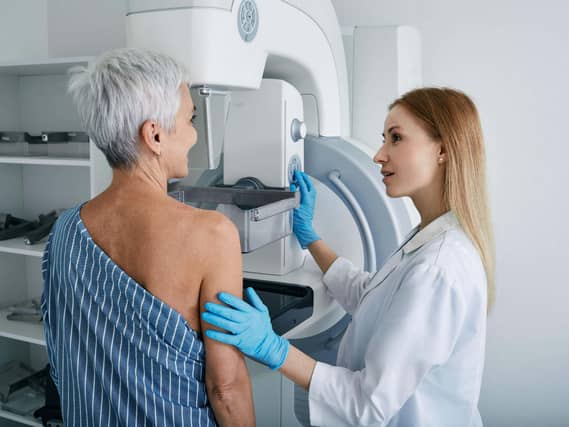

Figures show cases of prostate cancer, breast cancer and melanoma rose significantly between 2014 and 2024.
Cancer patients are “being let down” by the Scottish Government, the Tories claimed as figures showed some types of the disease have increased significantly over the past decade.
Public Health Scotland data shows there were 37,657 new cancers registered in Scotland in 2024, which was 179 fewer than in 2023.
However, the figures show significant increases in the decade to 2024.
There was a 4% increase in overall cancer incidence rates in males and no change in females over the decade compared with the 10 years before, while the annual number of cancers increased 15%.

For the second consecutive year, prostate cancer was the most common in Scotland in 2024, with the number of diagnoses increasing 6% compared with 2023.
From 2014 to 2024, there was a 50% increase in the rates of prostate cancer.
Scottish Conservative health and care spokesman Miles Briggs said the statistics show patients are “being let down” by the Scottish Government.
He said: “These shocking statistics confirm Scotland is facing a ticking timebomb of cancer cases under the SNP.
“Successive nationalist health secretaries have failed to meet their own cancer waiting time targets for well over decade and cancer rates are continuing to soar.
“It is deeply alarming to see cases of certain cancers rise so significantly in recent years.
“Early diagnosis is crucial, but too many cancer patients are being let down by the SNP’s failure to properly support frontline services.
“(Health Secretary) Angela Constance must urgently outline a proper strategy to tackle Scotland’s cancer crisis to ensure we do not continue to see an increase in the number of cases and that every cancer patient begins treatment as soon as possible.”
The data shows breast cancer was the second most common cancer overall and the most common cancer in females in Scotland in 2024.
The number of diagnoses was 6% lower compared with 2023, however between 2014 and 2024 the incidence rate increased 13%.
Frances Logan, policy and public affairs lead in Scotland at Breast Cancer Now, called on ministers to make early diagnosis “a priority” to tackle the increase over the past decade.
She said: “As outlined in our recent report Scotland Demands Change, we need renewed political ambition, prioritisation and investment in breast cancer to ensure everyone affected gets the best possible care and support, wherever they are.
“Diagnosing breast cancer early can make it easier to treat and improve survival. Yet Scotland continues to miss the achievable 80% NHS breast screening uptake target, and differences in waiting times between health boards risks creating a postcode lottery in people’s chances of getting diagnosed and treated quickly.
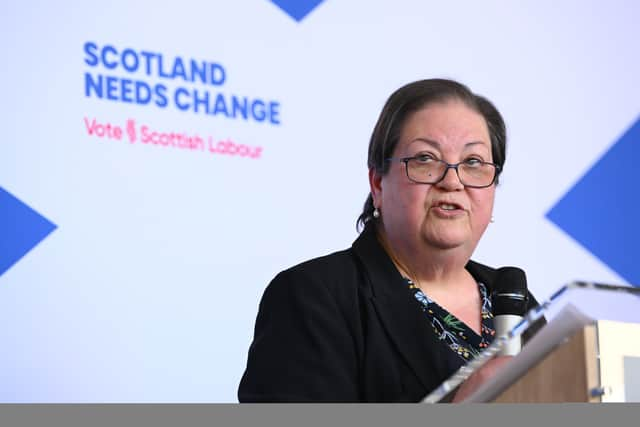
“The Scottish Government must make earlier diagnosis a priority by improving breast screening uptake and ensuring people have timely access to diagnostic services and treatment, wherever they live.”
The statistics also show a significant increase in malignant melanoma of the skin in the decade to 2024.
There were 1,920 tumours diagnosed in 2024, which was 7% higher than in 2023 and 53% higher than 2014.
Meanwhile, the human papillomavirus (HPV) vaccination resulted in no cases of cervical cancer in women under 25 in 2024.
Scottish Labour health spokeswoman Dame Jackie Baillie said “These stark figures show Scotland’s shameful health inequalities continue to cost lives.
“It is clear more must be done to tackle inequalities and prevent, identify and treat cancer in every part of Scotland.
“From expanding screening to speeding up treatment, the SNP must ensure that every person with cancer gets the best possible standard of care.”
A Scottish Government spokesperson said: “While more people are being diagnosed with cancer over time due to our ageing population, stats released show the number of new cancers diagnosed in 2024 have fallen slightly.
“A long-term drop in the levels of smoking has resulted in decreasing incidence of lung, head, neck, bladder and oesophagus cancers. There have been no cervical cancer cases detected in fully vaccinated women following the introduction of the human papillomavirus (HPV) immunisation programme in 2008.
“We are committed to reducing smoking rates to 5% or less by 2034 and eliminating cervical cancer by 2040, and the latest data shows the impact of those policies.
“Previous statistics show that the risk of dying from cancer in Scotland is now at the lowest rate on record for men and women, falling by 12.1% over the past decade.
“This encouraging trend reflects earlier detection, more effective treatments, and our continued investment in cancer services.”