
Scotland records worst June on record for A&E waits


Data released by Public Health Scotland also shows delayed discharge is rising.
Scotland has recorded its worst June on record for A&E waiting times.
Just 67.9% of patients at emergency departments were treated within the four-hour target, the latest figures from Public Health Scotland show.
It comes after the NHS recorded its worst May on record for emergency wait times.
Scottish Labour accused the Government of “dangerous complacency” as figures also revealed the levels of delayed discharge have increased.
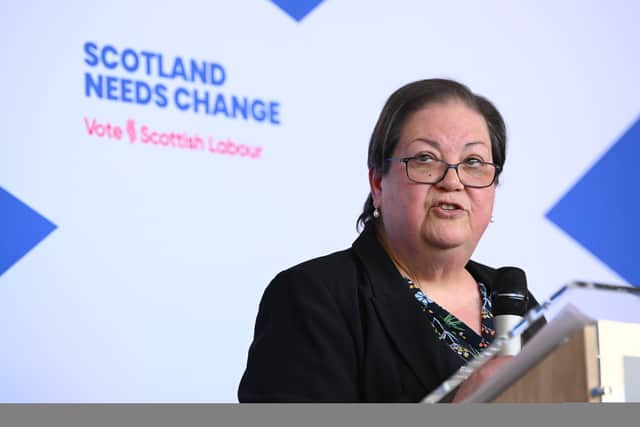
Dame Jackie Baillie, acting leader, claimed the NHS was at “breaking point” as she warned the SNP was “in denial about the scale of the crisis”.
The Scottish Government has a target of 95% of A&E patients being seen and admitted, transferred or discharged within four hours.
In June, around a third of patients waited longer than the four-hour standard.
Some 11.1% of the 147,876 patients who arrived at emergency departments that month waited more than eight hours for treatment while 4.4% waited more than 12 hours.
Meanwhile, figures from Public Health Scotland also show that bed blocking is on the rise.
The average number of beds occupied per day due to people delayed in hospital was 1,946 in June.
The figure is a rise in the levels recorded in May (1,917), April (1,902) and March (1,923).
The average median length of delay for people experiencing bed blocking in June was 30 days, higher than the 29-day average for May and April, as well as the 28-day average in March.
Dame Jackie said: “Our NHS is at breaking point but the SNP is in denial about the scale of the crisis.
“The SNP’s annual winter NHS crisis has turned into a year-round crisis, with thousands of people facing dangerously long waits for urgent care at the height of summer.
“Rising levels of delayed discharge are piling pressure on hospitals and leaving people stuck in waiting rooms waiting for a bed.
“Patients and staff are being let down by this dangerously complacent SNP government.
“The SNP must apologise for its failure to get to grips with this crisis and set out a real plan to tackle delayed discharge, ease pressure on A&E and deliver for long-suffering NHS patients and staff.”
Miles Briggs, the Tory health spokesman, said NHS staff were being “forced to work in a system that has been badly let down by years of ministerial failure”.
He added: “John Swinney cannot keep claiming a corner has been turned when patients are experiencing record delays and performance is going backwards.

“The reality facing patients bears no resemblance to the spin coming from SNP ministers.”
Mr Briggs said the delayed discharge figures were a “stark reminder of one of the SNP’s longest-running broken promises”.
He said: “The nationalists vowed over a decade ago to eradicate delayed discharge, yet nearly 2,000 people are still stuck in hospital despite otherwise being well enough to leave.
“That is failing those patients, piling pressure on frontline staff and preventing others from getting the treatment they need.”
A spokesperson for the Scottish Government said: “A&E departments continue to experience significant pressures. These are not unique to Scotland, with other UK nations facing similar demands.
“Long waits are unacceptable and the Scottish Government is committed to improving A&E performance and tackling delays for patients.
“That’s why we will be publishing a new national plan for improving the flow of patients through our hospitals, from the front door to discharge, within our first 100 days.”
They added: “Reducing delayed discharges remains a key priority for this government and, while no-one should have to wait longer in hospital than they need to, it is important to recognise that around 97% of all hospital discharges happen without delay.
“We are working with health boards and health and social care partnerships to tackle waiting list backlogs, improve hospital capacity and remove blockages that keep some patients in hospital longer than they need to be.
“As part of our first 100 days of government commitments we will publish a plan for hospital flow, helping to better deliver for patients and their families.”