
Scottish Government publishes Bill to introduce ‘mansion tax’ on £1m-plus homes
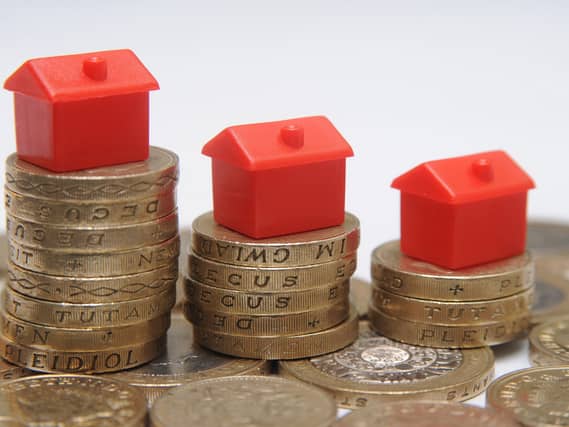

The legislation will create two new bands of council tax, for properties worth more than £1 million and those worth £2 million and above.
Plans to introduce a so-called “mansion tax” on properties worth £1 million-plus have passed an “important milestone”, Scotland’s Deputy First Minister said.
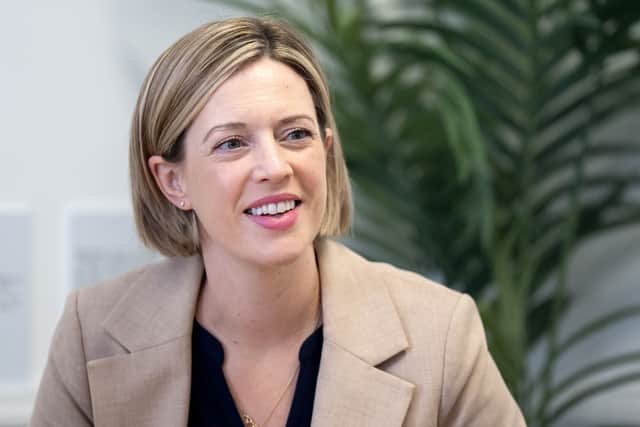
Jenny Gilruth welcomed the publication of legislation to bring in two new council tax bands, for homes worth more than £1 million and £2 million respectively.
These properties are currently included in the highest band for council tax at present, band H, which covers homes worth £212,000 and more, based on 1991 values.
With the Council Tax (High Value Dwellings) Bill now published, a targeted valuation exercise to identify properties worth £1 million or more is being planned.
Homes placed in the new band I for council tax – which covers those properties worth between £1 million and £2 million – will be be charged 2.886 times the current band D charge for their area.
Meanwhile, homes in Band J, that are worth £2 million-plus, will pay 4.628 times the Band D charge.
Speaking as the Bill was published, Ms Gilruth, who is also Scotland’s Finance Secretary, said: “This is an important milestone for this legislation, which will further improve the fairness of taxation for local services, by adding two bands to the top of the council tax system for properties valued at over £1 million and £2 million.”
She added: “If passed, the Bill will introduce new council tax bands for the small percentage of homes worth more than £1 million, asking those with the broadest shoulders to contribute more towards local services, whilst responding to the housing emergency we are facing.”
The legislation also includes plans to increase financial support for those with serious cognitive impairment – such as dementia or those who have suffered a serious brain injury – by backdating their eligibility for council tax discounts or exemptions to the point of diagnosis.
In addition, if passed the Bill will give local authorities powers to give council tax discounts in response to local circumstances, such as fire, flooding or other natural disasters.
The Deputy First Minister said: “This legislation builds on our progressive approach to taxation, which helps to target investment in economic growth and support cost-of-living measures not available elsewhere in the UK, such as free tuition, free prescriptions and our plans to extend a £2 bus fare cap across Scotland.”