
Fortress with 'brutal past' discovered in Kilkenny stunned archaeologists


The fortress was bigger than Kilkenny Castle and the scene for one of the most brutal episodes in Kilkenny’s history in 1642
The spectacular discovery of a massive 17th Century artillery fort shook archaeologists working in Castlecomer in 2018 to their core.
The forgotten fortress was bigger than Kilkenny Castle and the scene for one of the most brutal episodes in Kilkenny’s history in 1642.
However it was the massive scale of the site that stunned archaeologists.
Covering 3.5 acres, it would have taken in much of the north side of the main street in Castlecomer.
“It’s the huge scale that has really stunned us,” he said. “This was one of the largest bastioned forts ever built in Ireland.”
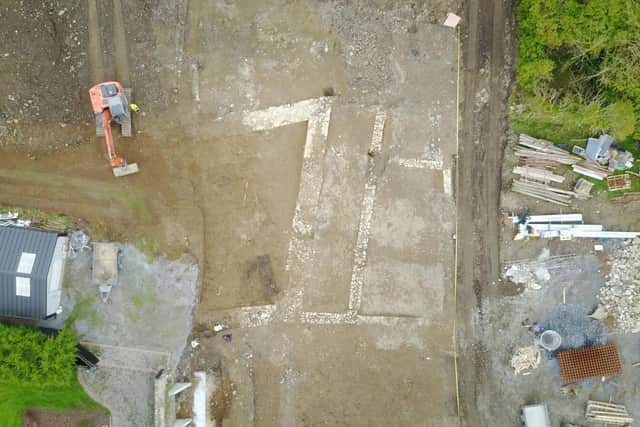
One of the ‘angle bastions’ of the fort was discovered in the area where a car park was proposed for the Avalon Inn in Castlecomer which is being renovated and extended by Joe Comerford.
The defensive structure had two metre thick walls and was surrounded by a large 10 metre wide moat which would have been filled with water up to two metres deep.
It was one of a string of such forts that were built along this vital routeway between what were then the main centres of power in Ireland - Dublin and Kilkenny.
Its thick walls, which would have bristled with artillery, and its surrounding enormous wet moat would have made it virtually impregnable.
However, in December 1641 an army of Kilkenny rebels attacked the fort and the English settlers in the English plantation town at Castlecomer.
Around 400 settlers from the town and the surrounding areas fled to the fort for safety.
The English garrison, aided by the colonists, held out for over three months of a brutal siege.
Numerous atrocities were committed against the settlers, the worst of which was the murder of a young boy. The son of the clothier Alexander Barnard, he was sent out to try and get bread for the starving settlers in the fort.
He was captured and decapitated and his body hung from tenterhooks in full view of the fort.
Finally, the English were forced to surrender and the Irish Confederates took over the fort until the Cromwellian attack on Kilkenny in March 1650.
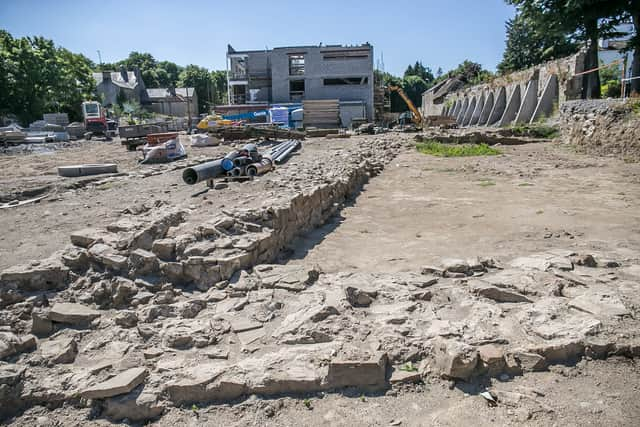
The excavated portions of the fort have been archaeologically recorded and protected within the new hotel development.
No delays were caused to the hotel development, which proceeded as scheduled.