
MEP for Kilkenny who once co-hosted Eurovision backs RTÉ withdrawal decision

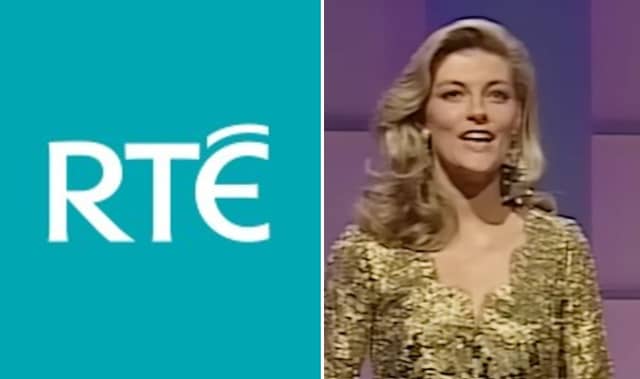

MEP for Kilkenny and Ireland South, Cynthia Ní Mhurchú, co-hosted Eurovision in 1994 with Gerry Ryan (the year Riverdance was first performed)
MEP for Kilkenny and Ireland South, Cynthia Ní Mhurchú, has applauded RTÉ for making 'the right decision' to withdraw from this week’s Eurovision Song Contest.
MEP Ní Mhurchú said this week that Ireland’s withdrawal from the 2026 Eurovision Song Contest in Vienna represents "one of the most significant shifts in the competition’s history".
Ní Mhurchú, who co-hosted the Eurovision in 1994 with Gerry Ryan (the year Riverdance was first performed) said “for the
first time, Ireland, one of the contest's most successful nations, has opted for both a participation and broadcasting boycott.”
RTÉ officially confirmed its withdrawal in December 2025 and said that the EBU’s refusal to exclude Israel had compromised the competition’s status as a non-political event, making Irish participation untenable.
In a statement, the national broadcaster announced: "Following the EBU Winter General Assembly in Geneva at which Israel’s participation in the 2026 Eurovision Song Contest was confirmed, RTÉ’s position remains unchanged.
"RTÉ will not participate in the 2026 Eurovision Song Contest, nor will RTÉ broadcast the competition.
"RTÉ feels that Ireland’s participation remains unconscionable given the appalling loss of lives in Gaza and the humanitarian crisis there which continues to put the lives of so many civilians at risk.
READ NEXT: Jail sentence for man who drove off from two Kilkenny service stations without paying for fuel
"RTÉ remains deeply concerned by the targeted killing of journalists in Gaza during the conflict and the continued denial of access to international journalists to the territory."
At the time of the withdrawal, no Irish entrant had been chosen.
MEP Ní Mhurchú further noted that Ireland "is now part of a bloc of five nations including the Netherlands, Spain, Slovenia, and Iceland that withdrew in protest".
"Eurovision has brought great joy to the Irish people over the decades," she continued, "and is an important launch pad for our musicians, but considering the huge groundswell of support for the plight of the Palestinian people the right decision was made by RTÉ."
Ní Mhurchú, who describes herself as 'a diehard Eurovision fan since childhood' went on to say: "Eurovision was founded to unite a fractured post-war Europe through shared values.
"When those values, specifically respect for international law and human rights, are perceived to be applied inconsistently, the contest loses its moral authority."