
Burnham warned formal apology for slavery will open door to reparations demands
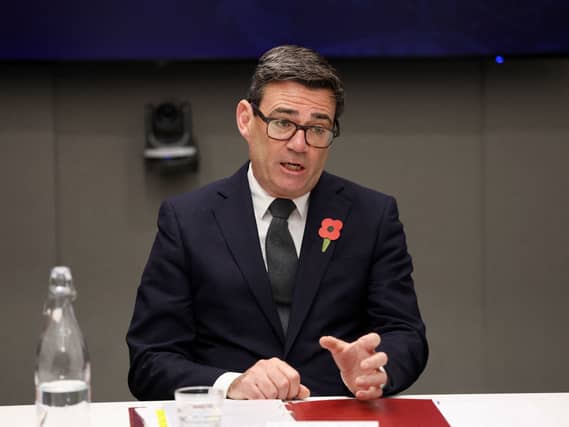

The Prime Minister has said he is ‘open’ to discussing a slavery apology from Britain but ruled out considering financial compensation.
Andy Burnham has been warned against issuing a formal apology for Britain’s role in the slave trade because it “is a lever to wedge open the door to ask for cash”.
Tory leader Kemi Badenoch urged the Prime Minister not to apologise because she said it would lead to more demands for reparations, which UK politicians of all stripes have opposed.
Chancellor John Healey defended Mr Burnham’s consideration of a formal apology, but said British people today should not be held financially liable for the slave trade in which they played no part.
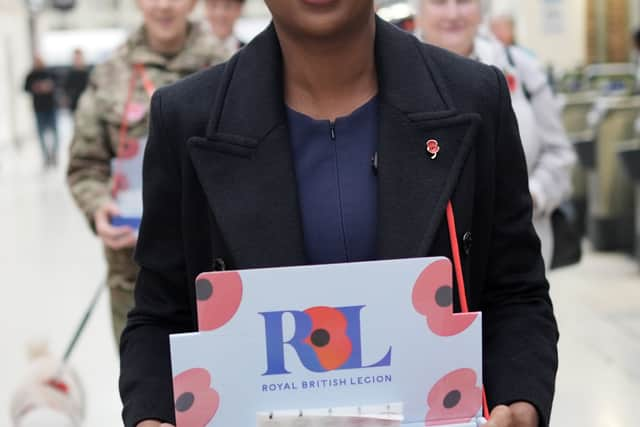
The Prime Minister, who is due to attend the Commonwealth Heads of Government Meeting (Chogm) in the Caribbean next week, has said he was “open” to discussing a slavery apology from Britain.
But, in keeping with previous governments, he rejected calls for financial compensation.
Some Caribbean nations have made renewed calls for Britain to apologise for its role in selling enslaved people for profit, and for reparations, before the King’s tour of the region.
Barbados Prime Minister Mia Mottley led a group of Caribbean leaders who launched a new slavery reparations manifesto during a conference in Ghana in June.
Mrs Badenoch on Sunday argued an apology would give countries a reason to ask Britain for money.
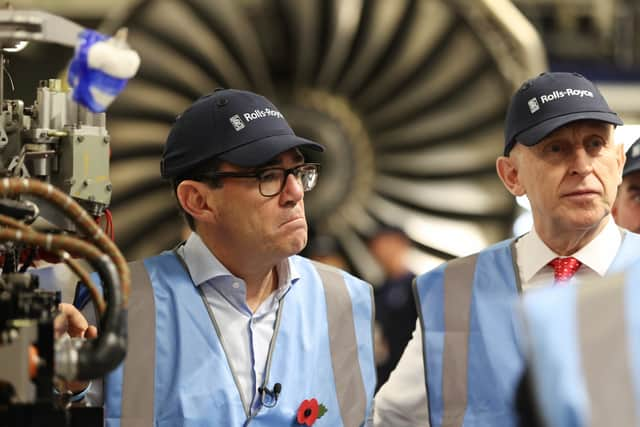
Asked what she believed would be the problem with the UK saying sorry, the Opposition leader told Sky News: “It’s because of what will happen next.
“What I’m worried about is that this Chogm summit is yet another opportunity for people to start asking Britain for money because of the slave trade.”
She added: “We need to start looking at how we can bring the Commonwealth together – start looking forwards, not backwards.
“I don’t think we should be giving any money to compensate people for the slave trade, and I don’t think that Andy Burnham needs to be apologising because it is a lever to wedge open the door to ask for cash.”
Mr Healey said Mr Burnham felt considering an apology was the “right thing”.
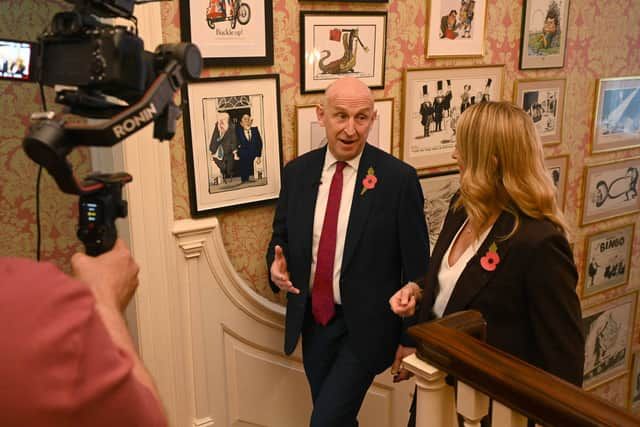
He told the BBC’s Sunday With Laura Kuenssberg programme: “The Prime Minister has said, look, we are open to a discussion about an apology.
“He feels that that’s the right thing, particularly ahead of the Commonwealth leaders’ conference.
“But he doesn’t believe that reparations are the right approach, and considering a formal apology doesn’t mean accepting that British people now should accept the financial liability for any part in things that happened hundreds of years ago, in which they had no role.”
Chief Secretary to the Treasury Emma Reynolds was asked whether reparations should logically follow an apology.
She told Sky News’s Sunday Morning: “I don’t agree with that.
“I think the symbolism … of issuing a formal apology is powerful.
“It is something that people in the region are talking about and have asked for, but as the Government has made clear, that will not involve financial reparations because the British people of today didn’t have a role in the slave trade hundreds of years ago and in fact, there were brave men and women in this country who led the campaign for the abolition of slavery, which is something that should be recognised too.”
Opposition to payments also came from the Liberal Democrats, whose leader Sir Ed Davey told Times Radio: “I just think you can’t go back centuries like that and expect the taxpayers of today to pay money.”
He also criticised overseas aid spending cuts by Labour and Tory governments, saying they have “caused huge distress and additional poverty and misery in many countries that were affected by the slave trade”.
“I think you should apologise, but I also think you should show that the UK, as it has done over many years now, is there to support people who are suffering economic injustice.”
But Sir Donald McKinnon, a former secretary general of the Commonwealth, told the same programme that the rejection of reparations was “a very rigid position, which is probably quite inappropriate,” as he called for UK action to improve “agitated” relations with the countries through better trading relationships and training and educational opportunities.

The King’s opening address at the Chogm summit in Antigua and Barbuda on Tuesday will receive heightened interest after the Prime Minister’s intervention.
But Charles, who as head of state is above party politics, is not expected to offer an apology or reference the change in Government policy.
Mr Burnham, writing in the Guardian, said: “We are offering a structured dialogue with those affected by the transatlantic slave trade.
“Listening to calls for a formal apology on behalf of the British state will form an important part of this process and I am open to them.”
The Prime Minister expressed “my sorrow and regret for the pain and suffering of so many millions” but, in keeping with the policy of his predecessors, ruled out considering reparations.
“I do not think that British people today can be held liable for historical wrongs, however heinous, that happened in a different age under different laws and in which they played no personal part,” Mr Burnham wrote, adding that he would instead seek to launch a drive on debt-servicing to help countries repay over a longer time period with better rates.