
Low growth and successive shocks erode public finances, Bank boss says


Andrew Bailey’s remarks come weeks before the Chancellor lays out his autumn Budget statement.
Low economic growth and a quick succession of supply shocks can erode the public finances and leave governments with less of a cushion to support people through a downturn, the Bank of England boss has cautioned.
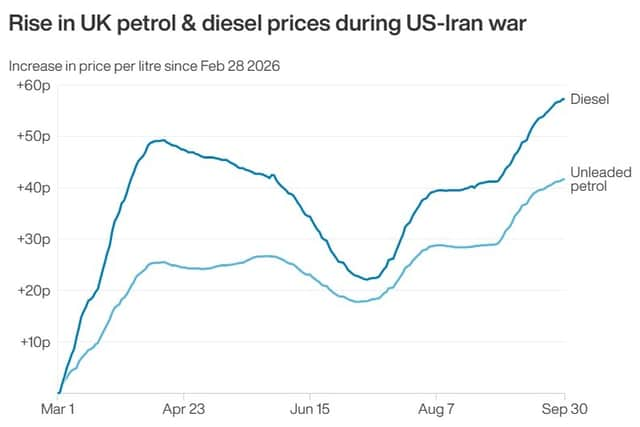
Andrew Bailey said Russia’s war in Ukraine and the conflict in the Middle East are examples of large negative supply shocks.
His warnings about fiscal policy come weeks before the Chancellor is set to lay out his plans for taxation and spending in the autumn Budget statement.
Mr Bailey said in a speech prepared for the Istanbul Economic Forum: “Lower growth and repeated supply shocks weaken the public finances while increasing pressure on governments to provide support.
“Governments can ordinarily use their balance sheets to cushion a severe downturn and rebuild fiscal space when conditions improve.
“But when shocks become more frequent, underlying growth is weaker, and the succession of shocks leads to a higher level of government debt, this becomes much harder to sustain.”
He added that “calls for spending to increase are louder” when borrowing costs are higher and growth is weaker.
Furthermore, if financial markets doubt the path for fiscal policy, then government borrowing costs rise, he said.
It comes as the yield on Government bonds, known as gilts, rose to multi-decade highs on Thursday.
The 10-year gilt rose to highs of about 5.53% during the day – the highest level since 2007.
Mr Bailey said it is not his job as a central banker to comment on fiscal policy, but he stressed it “must be credible and directed at stability and be seen as such by the markets”.
He also said that a government’s fiscal rules have an important part to play.
Chancellor John Healey is facing a smaller amount of headroom on his fiscal rules, which the Government sets for itself, ahead of the Budget as a result of inflation and higher borrowing costs.
EY estimates the Chancellor’s fiscal headroom has narrowed from £23.6 billion in March to £11.3 billion, and may be wiped out if the Iran war continues to restrict energy supply, push up inflation and way on growth.