
Parliament risks managed decline without ‘best case scenario’ renovation: MPs
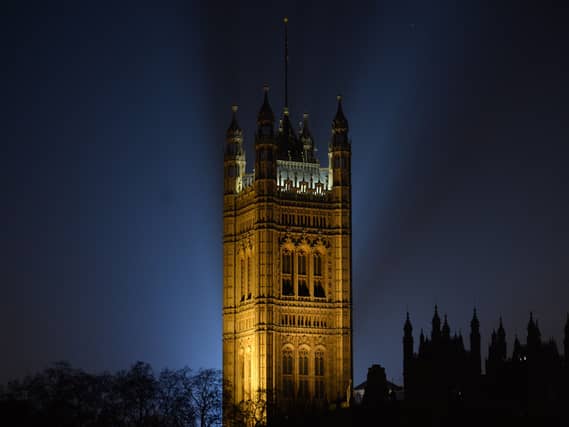

MPs first voted to leave Parliament for the building to undergo extensive repairs in 2018, but there has been continued disagreement about the move.
The King could be plunged into darkness during the Houses of Parliament’s grand state opening in future if delays to a costly renovation programme are not resolved, an influential group of MPs has warned.
The risk of a “catastrophic event” which causes injury in Westminster or hampers the functioning of democracy remains, the Public Accounts Committee (PAC) also said, adding that in the best case the historic building will crumble away into managed decline without action.
MPs first voted to leave Parliament for the building to undergo extensive repairs in 2018, but there has been continued disagreement about whether this should go ahead.
The PAC has previously warned of a “real and rising risk” that the Palace could be destroyed before the Restoration and Renewal programme gets under way.
In its latest report, published on Wednesday, the committee warns that the weekly cost of maintenance on the parliamentary estate is expected to grow from the current £1.5 million to £2 million in coming years.
Each year the programme is delayed will add £420 million to the lifetime costs of delivering the scheme, the PAC said.
The report comes ahead of a series of crunch votes in Parliament to decide the future direction of the Restoration and Renewal programme, which were expected around Easter earlier this year, but have been delayed.
The Commons and Lords will be expected to narrow down the range of options for how the programme will be carried out from four to two.
A “full decant” costing up to £15.6 billion and lasting up to 24 years, and a partial decant called “enhanced maintenance and improvement plus” costing up to £39 billion and lasting up to 61 years, are the recommended routes to be taken forward.
MPs and peers also have to sign off on “Phase One” of the programme, capped at £3 billion, which would focus on moving the Commons and Lords to nearby temporary locations, as well as on relocating offices outside the palace.
However, the PAC warned that the temporary homes for peers and MPs may not be ready when they need to leave the Palace of Westminster for work to begin, which according to current timescales would be in 2032.
Restoration and Renewal authorities need to provide a more detailed “delivery schedule” for the Phase One works, the PAC said, which takes into account the point when temporary accommodation is needed.
It pointed to how the programme could learn from Canada’s experience of undertaking renovation works on its parliament houses.
The PAC also said the programme needs to be more publicly accountable and transparent, and recommended setting up a Restoration and Renewal select committee to scrutinise it.
MPs and peers also need to be offered more engagement from authorities so they understand what their choices will mean, the committee said.
Sir Geoffrey Clifton-Brown, chair of the PAC, said: “I would urge all those who believe a decision on how to proceed should be further delayed to digest the figures in our report, showing each kick of the can down the road costs hundreds of millions in public money. They should then imagine the blow suffered by the UK’s morale and reputation of some kind of catastrophic failure.
“A lack of action risks, for instance, the Chamber being plunged into darkness during the State Opening of Parliament.
“Consider the impact of global rolling news footage of Notre Dame-like flames licking out of the building’s roof, resulting in the destruction of our heritage, or worse, injuries or loss of life.
“These are not notional possibilities, but real and rising risks which our Committee identified three years ago.”
Sir Geoffrey acknowledged that all options for the programme “involve extremely high figures with very big ranges”.
“At a time of national fiscal constraint, we would expect the parliamentary authorities to examine these figures extremely carefully to see how they can be reduced before the vote on Phase two on 2030,” he added.
A UK Parliament spokesperson said: “The PAC concludes that without action, the Palace of Westminster will, at best, be in a process of managed decline.
“Work is already happening across the Parliamentary estate to ensure the ongoing safety of those working here and visiting. The restoration proposals put forward by the R&R Client Board, which includes MPs and Lords, include a recommendation for an initial seven years of initial works with capped costs, which the National Audit Office has previously recognised as a sensible approach.
“The proposals are expected to be debated by all Members of both Houses to decide a way forward. The PAC provides welcome scrutiny and has stated the proposals provide enough information to inform a debate and a vote.”