
What support has been announced for first-time buyers in the Budget?
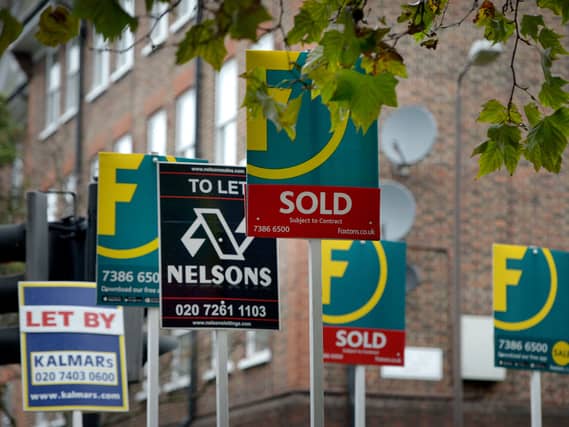

People looking to take their first step on the property ladder will be able to take up new initiatives to help them build a deposit and buy a home.
Further details of the support being made available for aspiring first-time buyers have been outlined in the Budget.
Here is a look at what will be available under the plans:
– What is the Your First Home scheme?
The new £4.7 billion Your First Home scheme aims to help around 70,000 households in England to take their first step on to the housing ladder.
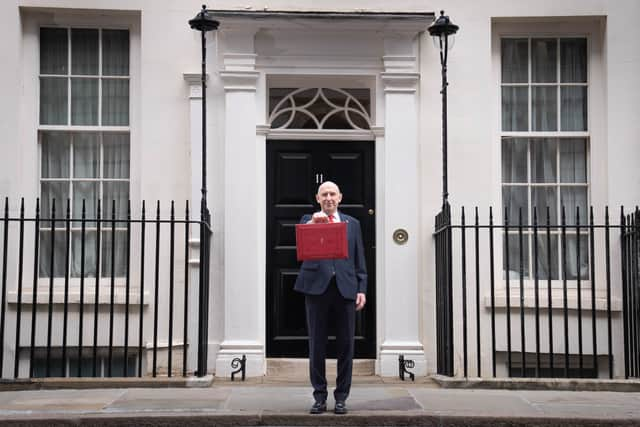
The scheme will provide 20% equity loans to first-time buyers.
Income caps will be set at £110,000 per household outside London and £140,000 inside London.
Budget documents said price caps will be set based on local authority median prices to ensure support is targeted at those who need it, with inner and outer London caps of £650,000 and £500,000 respectively.
The deposit requirement will be set at 2.5%, with a maximum deposit of 15%.
People will be able to access equity loans with a five-year interest-free period.
– When will the scheme start?
The scheme will open for pre-registration by the end of December 2026 and full applications from February 2027, with the first loans issued from April 2027.
– What about help with savings?
People can already save into a Lifetime Isa, which comes with a government bonus, meaning a 25% bonus is added to savings, up to a maximum of £1,000 per year. People can put up to £4,000 each year into a Lifetime Isa.
But one of the criticisms levelled at the scheme is a withdrawal charge.
According to HM Revenue and Customs (HMRC) figures, £118,985,000 in withdrawal charges was recorded for lifetime Isas in 2025-26, with the average value of an unauthorised withdrawal at £3,088.
People may face unauthorised withdrawal charges of 25% if they are taking money out for reasons other than buying a first home or retirement.
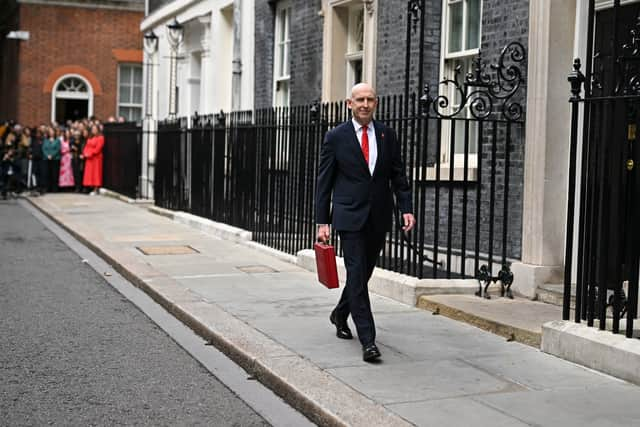
– What has the Government said on Wednesday about Lifetime Isa charges?
A £450,000 property price cap is in place for the Lifetime Isa scheme.
But the Government has said that, to address the risk of savers being penalised where they purchase above the cap, from October 29 it will allow Lifetime Isa funds to be withdrawn for such purchases which otherwise meet the qualifying rules with a reduced withdrawal charge of 20%.
This will recover the government bonus while allowing savers to retain their own contributions, government documents said.
– What new savings scheme will be introduced for first-time buyers?
The Government will introduce a new First-Time Buyer Isa from April 2029, which will be offered in place of the Lifetime Isa.
The product will allow contributions of up to £4,000 a year, in line with the Lifetime Isa.
It will provide a 25% bonus, subject to an overall maximum of £20,000.
This will be calculated on the account’s final account balance and paid when funds are withdrawn for an eligible first home purchase of up to the value of £450,000, avoiding the need for any withdrawal charge.
Calculating the bonus on the final balance will ensure that any investment or interest growth within the account is recognised when the bonus is calculated, government documents said.
People must be 18 or over to open an account, with no upper age limit. With the Lifetime Isa, savers must be aged between 18 or over but under 40 to open an account.
– Will Lifetime Isa holders be able to transfer in to the new First-Time Buyer Isa?
To avoid duplicate government bonuses, savers will not be able to transfer from a Lifetime Isa to a First-time Buyer Isa, but they will be able to use both products towards the same house purchase, the government documents said.
– What is the average asking price for a typical first-time buyer home?
According to Rightmove, across Britain, the average price tag on a first-time buyer home in October is £225,627, which is 0.5% lower than a year earlier.
Rightmove looked at homes with two bedrooms or fewer for this calculation, including houses and flats.
– What has been happening with mortgage rates lately?
The average rates on two and five-year fixed mortgages on the market have been sitting just below 6%, according to financial information website Moneyfacts.
Mortgage rates have been edging higher amid volatility in swap rates, which are used by lenders to price mortgages.
– What else has the Government said about housing?
It has promised an additional £1.5 billion to deliver around 10,000 homes in England.
The funding will be prioritised for social rent, especially council homes, taking total investment in the social and affordable homes programme to more than £40 billion over 10 years.