
Native fish found in Lough Corrib at risk of extinction from ‘lethal plague’
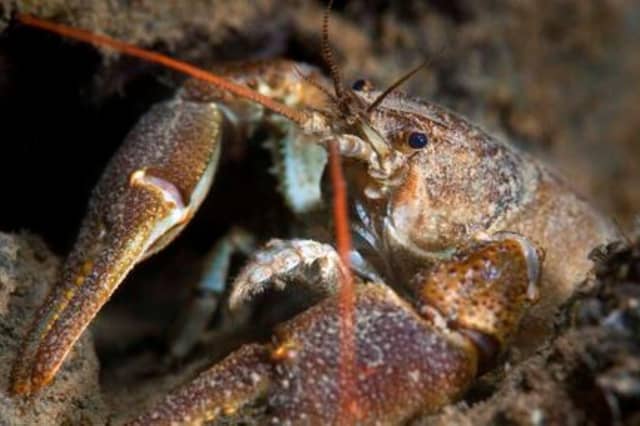

The native species faces an “imminent threat” of local extinction due to outbreaks of crayfish plague, which typically wipes out 100% of an infected native population within two weeks
Lough Corrib is one of 15 protected conservation sites across the country targeted under a new state-backed breeding and relocation programme to save Ireland’s native white-clawed crayfish from a lethal plague.
The Special Area of Conservation (SAC) has been identified as a site where the threatened species will be introduced from breeding hatcheries at Dublin Zoo and Fota Wildlife Park.
The species faces an “imminent threat” of local extinction due to outbreaks of crayfish plague, a non-native pathogen that typically wipes out 100% of an infected native population within two weeks, according to a document published by the Department of Housing, Local Government and Heritage.
While Ireland has so far avoided the invasive North American signal crayfish that carries the disease, the plague was detected in 18 water catchments nationwide between 2015 and 2023.
Multiple genetic strains of the pathogen have been identified in Irish waters, which the department said suggests the spores are being inadvertently transferred between rivers and lakes by anglers, kayakers, divers, and sailors.
An environmental screening assessment conducted by the department found that there was a “high risk” of mortality to remaining populations of native crayfish in the absence of the three-year Irish Crayfish Conservation Project.
Under the phased plan, Dublin Zoo and Fota Wildlife Park will partner with the National Parks and Wildlife Service (NPWS) and crayfish ecologists to construct indoor hatcheries fitted with recirculating filtration systems, chillers, and rainwater harvesting.
Staff will initially house adult crayfish to master husbandry techniques before launching a pilot breeding trial using two to four egg-bearing females in spring.
Captive-bred juveniles and wild-caught crayfish will subsequently be moved into isolated ark sites before eventual reintroduction into affected SACs like Lough Corrib once the plague threat has subsided.
The project will also involve a public awareness and biosecurity drive aimed at water sports enthusiasts and angling clubs, alongside interactive crayfish displays and an annual native species festival at the participating zoos.
Because the relocations were deemed necessary for the conservation management of the 15 designated sites, the department’s Ecological Assessment Unit decided that the project did not require a full Stage 2 Appropriate Assessment.