
HSE encourages Mayo people to think F.A.S.T this World Stroke Day
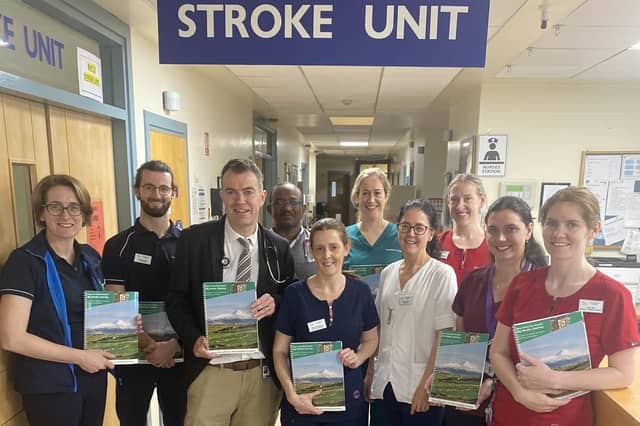

Health officials say that recognising stroke symptoms and calling 999 or 112 immediately can save lives and reduce the risk of long-term disability
The HSE is encouraging people across Mayo to learn the warning signs of stroke and seek emergency medical help without delay as World Stroke Day takes place today, Thursday, October 29.
HSE West and North West said a stroke is a medical emergency and advised people not to wait for symptoms to improve before calling 999 or 112 for an ambulance.
One in four people is at risk of stroke during their lifetime. A stroke occurs when the blood supply to part of the brain is interrupted by a blockage or ruptured blood vessel.
It can affect anyone, at any age, and is the third leading cause of death in Ireland and the leading cause of acquired neurological disability among adults. More than 90,000 people in Ireland are living with the effects of stroke, while incidents are expected to increase by 58% over the next 10 years.
Remember F.A.S.T
The HSE is encouraging people to remember the acronym F.A.S.T.:
- Face: Has the face drooped or become weak on one side?
- Arm: Has an arm suddenly become weak or clumsy on one side?
- Speech: Has speech suddenly become slurred or confused?
- Time: Call 999 or 112 immediately for an ambulance.
The HSE stressed that just one of these symptoms may indicate a stroke and is enough to warrant an emergency call.
Fewer than half of stroke patients currently arrive at the hospital within three hours of their symptoms beginning, despite this being a critical window for treatments that can save lives and reduce disability. The sooner treatment begins, the greater the chance of limiting brain damage and improving recovery.
New HSE stroke awareness advertisements highlight how a stroke can happen during everyday activities, such as playing tennis or hosting a children’s birthday party. The advice remains the same: call 999 or 112 immediately if a stroke is suspected.
Treatments available at Mayo University Hospital
Dr Tom Lee, Consultant Physician in Geriatrics and Stroke at Mayo University Hospital, said recognising the symptoms and getting medical help quickly could make a significant difference to recovery.
“Stroke requires urgent hospital assessment and we have treatments available that can restore blood flow to the brain and improve outcomes for patients,” he said. “The sooner treatment begins, the greater the chance of saving brain tissue and reducing the risk of serious disability or death,” he said.
Every minute matters
Áine O’Reilly, Advanced Nurse Practitioner in Stroke at Mayo University Hospital, said time was critical when responding to a suspected stroke.
“Around 2 million brain cells can be lost every minute, which is why it is so important to get help straight away,” she said.
“If you notice signs of a stroke in yourself or someone else, do not wait and assume the symptoms will pass. Call 999 or 112 immediately, request an ambulance and explain that you suspect a stroke.”
The HSE is encouraging people to learn the F.A.S.T. warning signs and share the message with family and friends.
Further information on stroke symptoms, treatment and prevention is available on the HSE website.