
6 ways winter can affect older adults and how to prepare
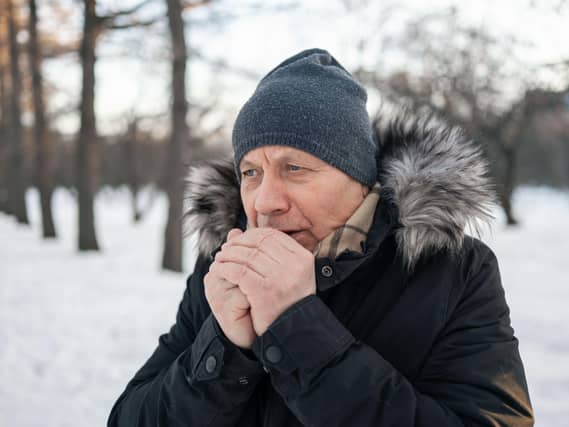

Although winter can be a challenging time for everyone, cold weather creates greater health risks for older adults.
It’s time to dig out your winter woollies and wrap up warm, with forecasters warning of an early start to winter.
Wintry conditions with snow, frost, and freezing temperatures are all forecast for parts of the UK this week.
Met Office meteorologist Tom Morgan said: “We’ve got one more week of meteorological autumn to go but winter will be making somewhat of an early arrival for some of us through the week ahead.
“It’s all courtesy of a large area of high pressure sitting to the north-east of the UK across Scandinavia trying to bring in this much colder easterly flow.
“But out towards the west we’ve got much milder systems trying to push in from the Atlantic and it’s going to be a case of which of those two air masses wins through the week ahead.
“Generally though, for most of us, it will be staying on the cold side and there’s even the potential for some snow, mainly over the high ground in the north.”
Cold weather can be particularly challenging for older adults.
Here are six ways wintry conditions can affect older people, along with some tips on how to stay safe, warm and well this season.
1. Harder to regulate temperature
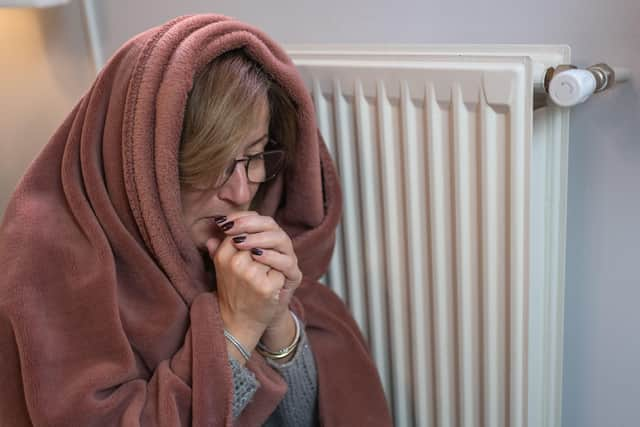
“As we age, our body find it harder to regulate its temperature. Cold temperatures put pressure on the heart and circulatory system, which is why we see an increased risk of heart attacks and strokes in the winter months,” says Sophie Barrett, health policy officer at Age UK.
2. Long-term conditions
Cold weather can significantly worsens existing long-term health conditions in older adults.
“If you have arthritis, the joint stiffness can feel worse in cold weather,” says Dr Mohammad Bakhtiar, clinical lead at The Health Screening Clinic.
“Also, from the lung point of view, because the air is thicker, dry and colder during the winter, it irritates the respiratory tract and if you have COPD [chronic obstructive pulmonary disease], for example, it can exacerbate your symptoms.”
3. Risk of falls increase
“There’s also more of a risk of falls during the colder months because of slippery conditions and muscle deconditioning that could have happened as temperatures drop, which impacts strength and balance,” explains Barrett.
4. More vulnerable to winter viruses
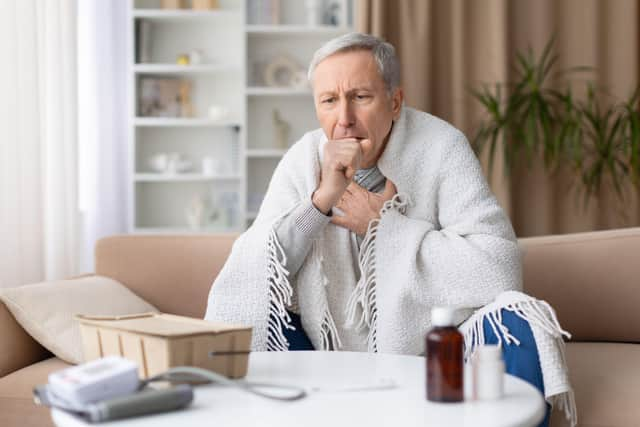
“Old people are also more likely to experience the severe side effects of respiratory illnesses such as the flu during the winter months,” says Barrett.
5. More prone to circulation problems
The cold can make you more at risk from blood circulation issues. “Factors such as high cholesterol or an obstruction in the arteries and veins or high blood pressure, which are more common as we age, can all worsen circulation in the body,” explains Bakhtiar.
6. Social isolation
“The cold weather also brings about more social isolation with the darker, shorter days, which means looking after mental health can be more of a challenge in winter compared to other times of the year,” says Barrett.
In light of these factors, here are some simple things that older people can do to prepare for the winter months…
Get vaccinated
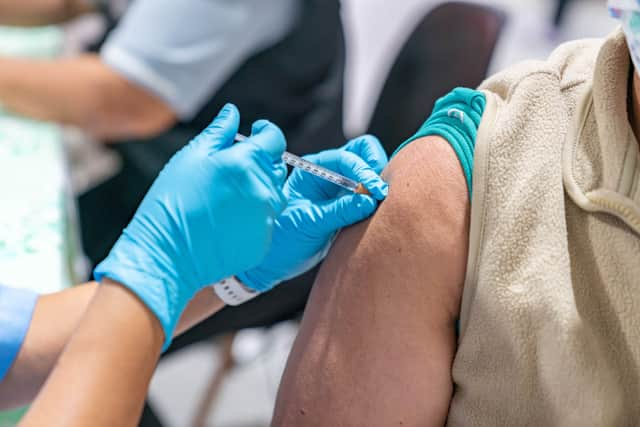
“Take up the offer of a flu vaccine as soon as it’s offered, and check if you’re eligible for COVID-19 booster jab or any other vaccines that you might be entitled to,” recommends Barrett.
Stay warm
“Try to heat the rooms that you’re using, close doors and turn radiators off in other rooms if you’re not in them,” advises Barrett. “Keep your bedroom windows shut at night as well, and make sure that you’re keeping yourself warm.
“Multiple layers is better than one thicker layer, and make sure that you keep your extremities warm with gloves, socks and hats.”
Have hot drinks and food
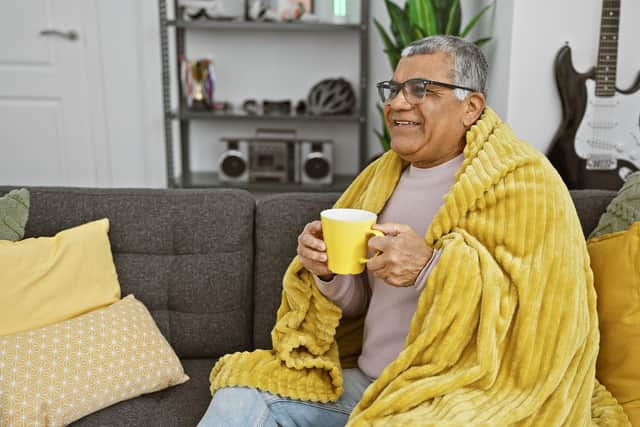
“Make sure that you’re eating well and are staying hydrated,” advises Barrett. “It’s a really important part of maintaining your health and helping you fight anything that comes your way.”
Stock up on food and medication
“Make sure that you’ve got enough food and medication for at least three days in your cupboards that you can access in case you can’t get out to the shops,” recommends Barrett.
Keep moving
“Keeping moving is probably one of the most important things that you can do,” says Barrett. “Even some simple chair exercises will help you keep warm and prevent some of that muscle deconditioning.”
Bakhtiar recommends doing some exercises first thing in the morning.
“After you wake up, do a little bit of movement for around 5-10 minutes to help your circulation. It will also help with any stiffness and will help keep your joints warm,” says Bakhtiar.
Be careful with hazards
“To help prevent slips, trips, and falls, make sure that there isn’t anything hazardous around your home, especially near the stairs,” advises Barrett.
“If you are going outside, make sure that you’re wearing appropriate footwear.”
Bakhtiar agrees and adds: “When you go outside wear a hat and scarf, be alert and try to only use paths that are not slippery or icy.”
Stay connected

“Keeping in touch with your family and friends regularly is really important,” says Bakhtiar. “Keep yourself busy and try to talk to your loved ones regularly so you don’t feel lonely.”
Barrett agrees and recommends reaching out to your local Age UK.
“Lots of our local Age UKs run classes and digital skills lessons which take things back to basics and teach you how to have phone or video calls with loved ones,” says Barrett.
Seek support
“Make sure that you are prioritising your health. Staying warm has got to be the priority, even if you are worried about bills,” says Barrett.
“Energy companies are actually under obligation to help if you’re struggling and there may also be support available from the local council.
“It’s also really important to sign up to the priority services register so you can get priority assistance and tailored communications from energy and water companies.”
Don’t hesitate to visit a doctor
“If you experience a persistent cough, chest pain or any symptom that you are worried about, don’t hesitate to tell your family or your GP,” advises Bakhtiar. “If it’s very bad, immediately phone 999.”
How can loved ones help?
“I think there’s a responsibility on all of us to make sure that we’re looking out for those older people in our lives,” says Barrett. “Even just a phone call or a visit can really help.”
There are also some practical things that can help.
“Make sure they’ve got everything that they need. For example, offer to do their shopping or collect any medication,” recommends Barrett.
“It’s also really important to help protect that social element and to invite them over for a cup of tea. Maybe you’ve got a warm home that they can come over to for a couple of hours.”