
Intersex campaigner who felt like an ‘alien’ and has testicles the size of ‘two frozen peas’ fights to end the ‘stigma’
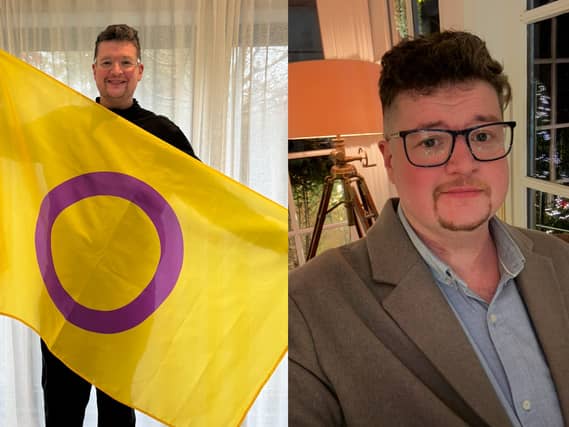

John Junior always felt like they ‘did not belong’ until a blood test revealed they were intersex.
An intersex campaigner who felt like an “alien” growing up and now has testicles the size of “two frozen peas” has said it “doesn’t matter what’s between (your) legs” as they fight to end the stigma.
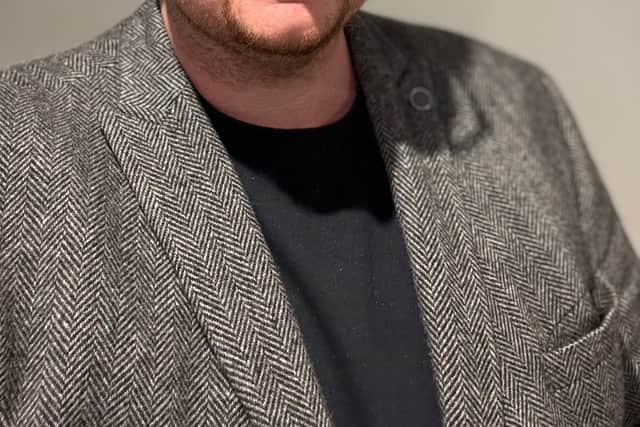
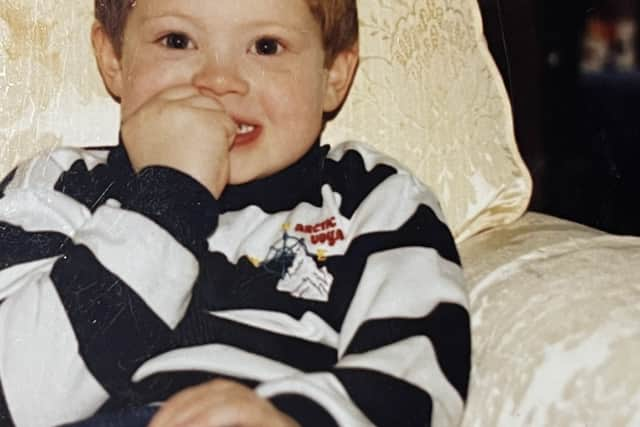
John Junior, 38, from Manchester, who uses they/them pronouns, said they had always felt as though they “did not belong” and secretly wore their mother’s clothes throughout childhood.
But, after having a blood test, John was “randomly” diagnosed with Klinefelter syndrome, a condition in which males are born with an extra X chromosome, at the age of 11, and said it made everything “make sense”.
John said that due to the condition they experience low testosterone and libido, and have more breast tissue than the average biological male, and sometimes urinate themself due to a weak pelvic floor.
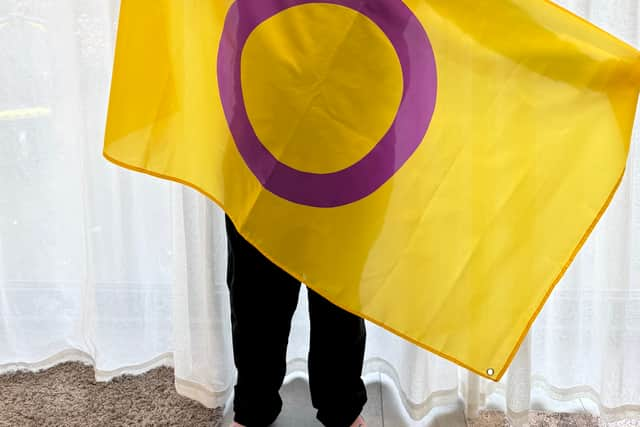
John identifies as genderfluid, embracing “both masculine and feminine things” by dressing “as a man with a beard” while also wearing make-up and false eyelashes.
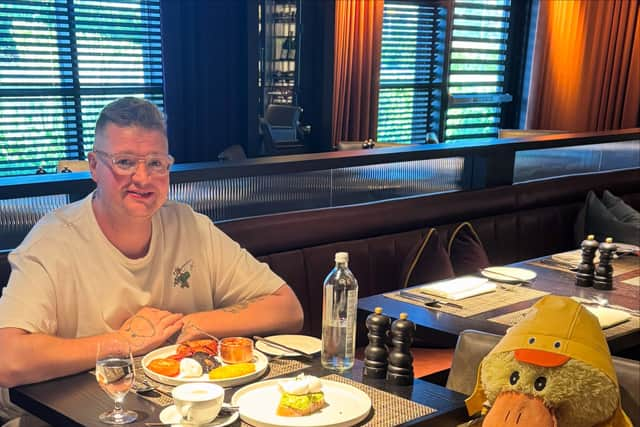
After their father died “suddenly” in 2018, John attempted suicide and has since become a mental health campaigner, carrying a cuddly duck called Charlie everywhere for comfort.
Speaking ahead of Intersex Awareness Day on October 26, they hope to establish an organisation dedicated to supporting intersex people and educating others.
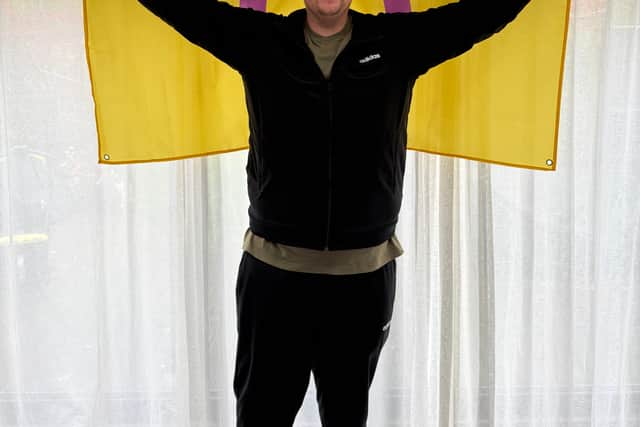
John, a psychotherapy student at the University of Staffordshire, told PA Real Life: “I felt like an alien as a child.
“I want people to see an intersex person as just a person, it doesn’t matter what’s between their legs.
“It’s who they are that matters… we need to end the stigma.
“It feels like trans rights get a lot of air time, but no-one speaks about being intersex.”
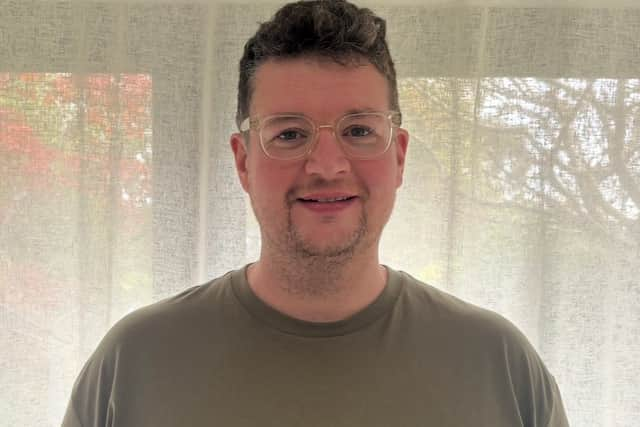
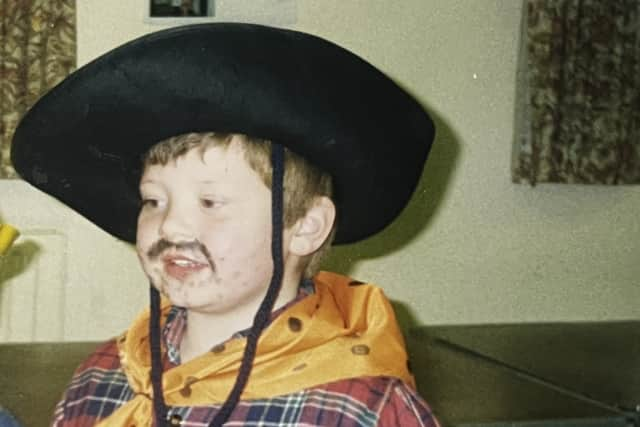
Growing up, John said their self-esteem was extremely low and they often felt like they “didn’t belong”.
They initially attributed these feelings to being bullied for having clubfoot and short leg syndrome, a condition in which one leg is noticeably shorter than the other.
Feeling misunderstood and isolated, they began self-harming at the age of eight and experienced suicidal thoughts for “years on end”.
John added: “I used to run away from home and I thought it would make my problems go away.”
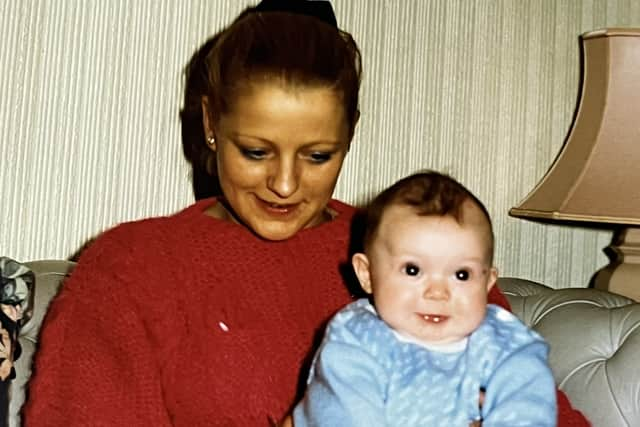
Around the same time, John began secretly wearing their mother’s clothes, but said she was “very supportive” when she eventually found out.
At the age of 11, during a pre-operative appointment for their leg condition, a blood test revealed John had Klinefelter syndrome.
John said doctors explained they could live a “normal life”, but would be unable to have children and would need testosterone replacement therapy for the rest of their life.
According to the NHS, intersex – also known as differences in sex development – refers to conditions where a person’s sex characteristics do not fit typical male or female patterns.
Klinefelter syndrome is one such condition, where a male is born with an extra X chromosome.
Usually, a female baby has two X chromosomes (XX) and a male has one X and one Y (XY), but in Klinefelter syndrome, a boy is born with an extra copy of the X chromosome (XXY).
This means the body does not produce the usual levels of testosterone – the hormone responsible for developing male characteristics such as testes, body hair, bone strength and fertility.
John said: “It made sense – I thought maybe that’s to do with how I was feeling, and my mum thought the same.
“I almost had a bit of closure and, as time went on, I started feeling better within myself – but it was very confusing.”
The extra X chromosome can also damage tubes in the testicles, causing them to scar, shrink and stay small.
“My testicles are tiny … the size of frozen peas,” John said.
“My hormone imbalance also means I’ve got lots of breast tissue, if I wore a bra I’d look like I have women’s boobs.”
As they grew older, John began to understand their gender as “fluid”.
“It’s difficult to explain – I like to wear make-up, I like having my beard too,” John explained.
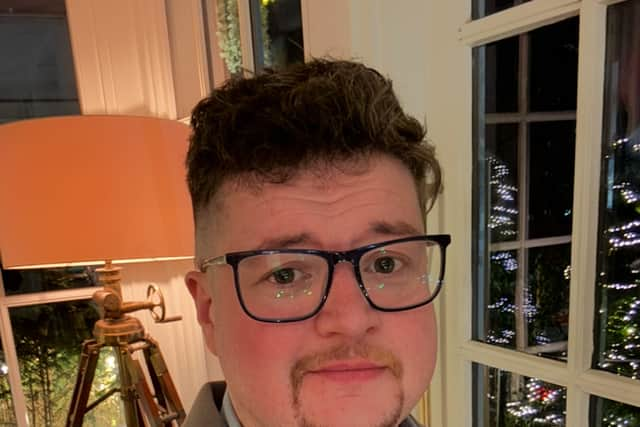
“I think everyone wants a label and I don’t really feel the need to have a label.
“I’ve started having my lashes done and I just love it, it makes me feel like me.”
John said dating has also been challenging, with some people “fetishising” their condition and describing it as “hot or sexy”.
Their condition also affects their libido, which John said has made romantic relationships more difficult.
“I’m going to drop the mic now – I’ve never felt horny in my life,” they said.
“I don’t know what that feels like, I’ve done my research but I’ve never had that rush.
“I can get an erection but I’ve always had to use Viagra because it doesn’t stay hard.
“One day it’d be nice to meet someone that just gets it, but it’s just too complicated, I’d just rather be alone for now.”
However, John said his best friend, Jas, has made them feel “much less lonely”.
They added: “We share a bond like no other and she understands and accepts me for who I am, without ever judging me … she’s shown me how much it means to have someone who truly sees you for you.”
John wants to raise awareness of being intersex and the difficulties people with the condition can face.
They became particularly passionate about mental health awareness after their father died “very suddenly” at age 62 in 2018.
Following his death, John began carrying a cuddly duck called Charlie everywhere they went “for comfort”.
In November 2019, they took Charlie to Manchester Christmas Markets, where strangers began commenting on the duck and striking up conversations with John.
The interactions encouraged them to become more open about their mental health and inspired them to help others do the same.
John said: “Charlie’s not just helped me with my mental health; he’s helped thousands of other people.
“I’ve done so many talks about it and used to have a big following on social media before my account got hacked.
“A few days after my dad died, I tried to end my life but I got resuscitated, and since then, with my work raising awareness, I’ve brought so much positivity, not just for myself but for other people.
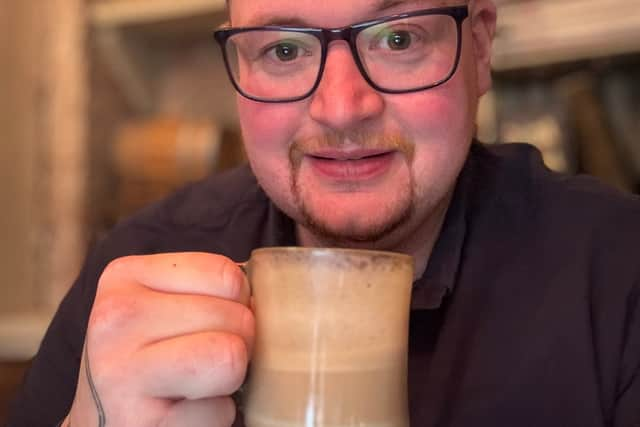
“If my dad hadn’t died, I wouldn’t have become a campaigner … I miss him so much but I think I’ve done something positive in his legacy.”
John’s ultimate goal is to establish an organisation called Born Intersex to educate people and provide support to others with similar experiences.
They said: “From childhood, most people are taught that everyone is born either male or female, but biologically it’s more complex than that, and it’s still a taboo subject.
“It’s not as simple as people think – people assume you have a penis and a vagina.”
John added that being intersex could feel “lonely”, particularly when trying to find others with similar experiences in the UK.
Even searching for “intersex” on TikTok mainly brings up people in America, they said, highlighting the lack of visible UK-based support.
To others with the condition, John said: “Please reach out to someone and don’t be afraid.
“I know what it’s like to be scared and afraid, but it can get better.
“You’re not alone and being intersex is nothing to be ashamed about.”
If you have been affected by any of the issues raised in this story, you can contact Samaritans for free on 116 123 or visit www.samaritans.org for confidential support, 24 hours a day.